Sago Mine Disaster - January 2, 2006
2006 · Sago, United States
A coal mine explosion in Sago, West Virginia, traps 13 miners. Only one miner survives, leading to increased scrutiny and reforms in mine safety regulations.
March 25, 1947
An explosion at the Centralia No. 5 coal mine in Illinois killed 111 miners, highlighting issues in mine safety regulations and practices.
Centralia, United States | Centralia Coal Company
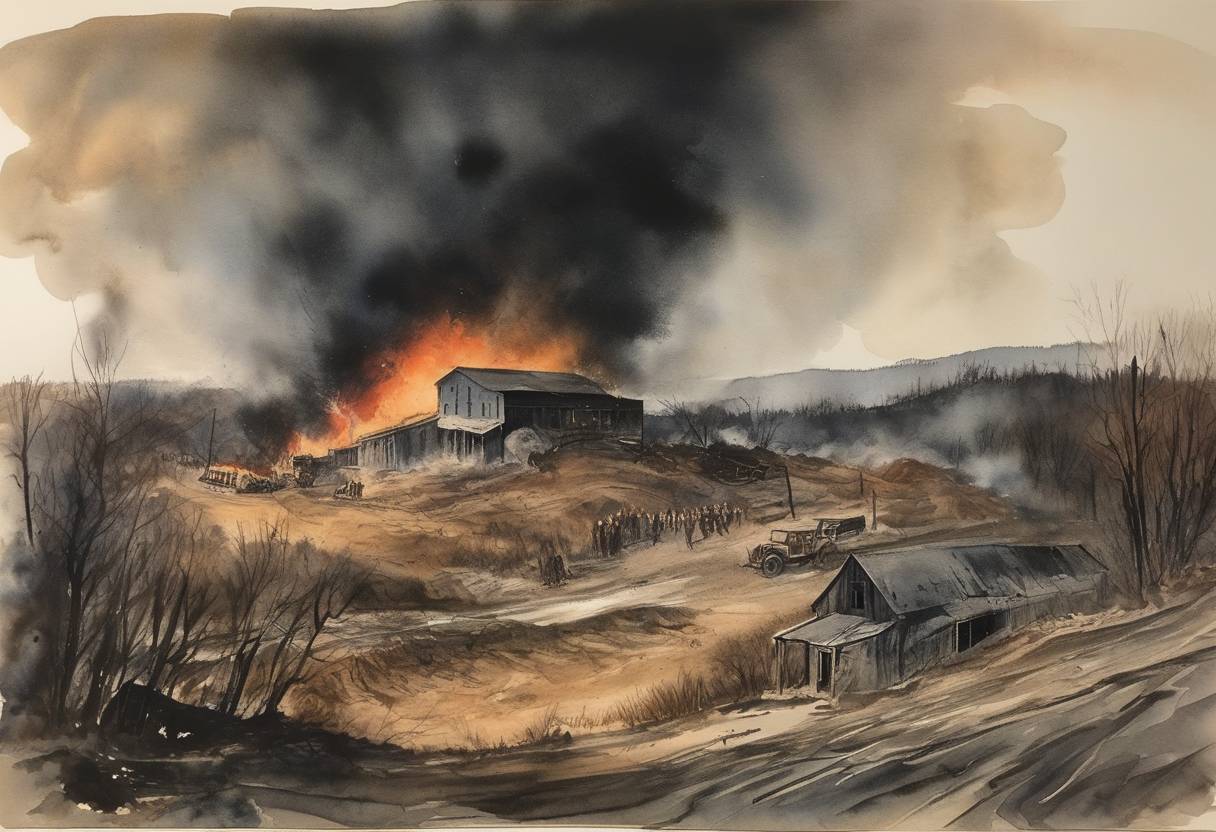
On March 25, 1947, a tragic explosion occurred at the Centralia No. 5 coal mine in Centralia, Illinois, resulting in the deaths of 111 miners. This catastrophic event spotlighted severe deficiencies in mine safety regulations and practices in the United States.
The Centralia No. 5 coal mine was a significant operation within the coal-rich regions of southern Illinois. Leading up to the explosion, numerous indications of safety hazards, including excessive coal dust and inadequate ventilation systems, plagued the mine. Inspections conducted prior to the disaster had repeatedly identified these critical safety violations.
At approximately 3:27 PM on March 25, 1947, an explosion tore through Centralia No. 5. The blast was likely ignited by a spark in the expansive buildup of coal dust and methane gas throughout the tunnels.
The Centralia mine disaster served as a grim reminder of the human cost of inadequate safety practices. It catalyzed essential changes in mine regulation, underscoring the need for increased oversight and accountability in the mining industry. The incident remains a crucial chapter in the history of American industrial safety, illustrating the dire consequences of neglecting proper regulatory compliance.
Source: www.history.com