Siam Officially Changes Its Name to Thailand
1949 · Bangkok, Thailand
Siam officially changes its name to Thailand for the second time.
January 24, 2014
Thailand declared a state of emergency in response to ongoing political protests. Demonstrations were aimed at ousting Prime Minister Yingluck Shinawatra amidst allegations of corruption and abuse of power.
Bangkok, Thailand | Thai Government
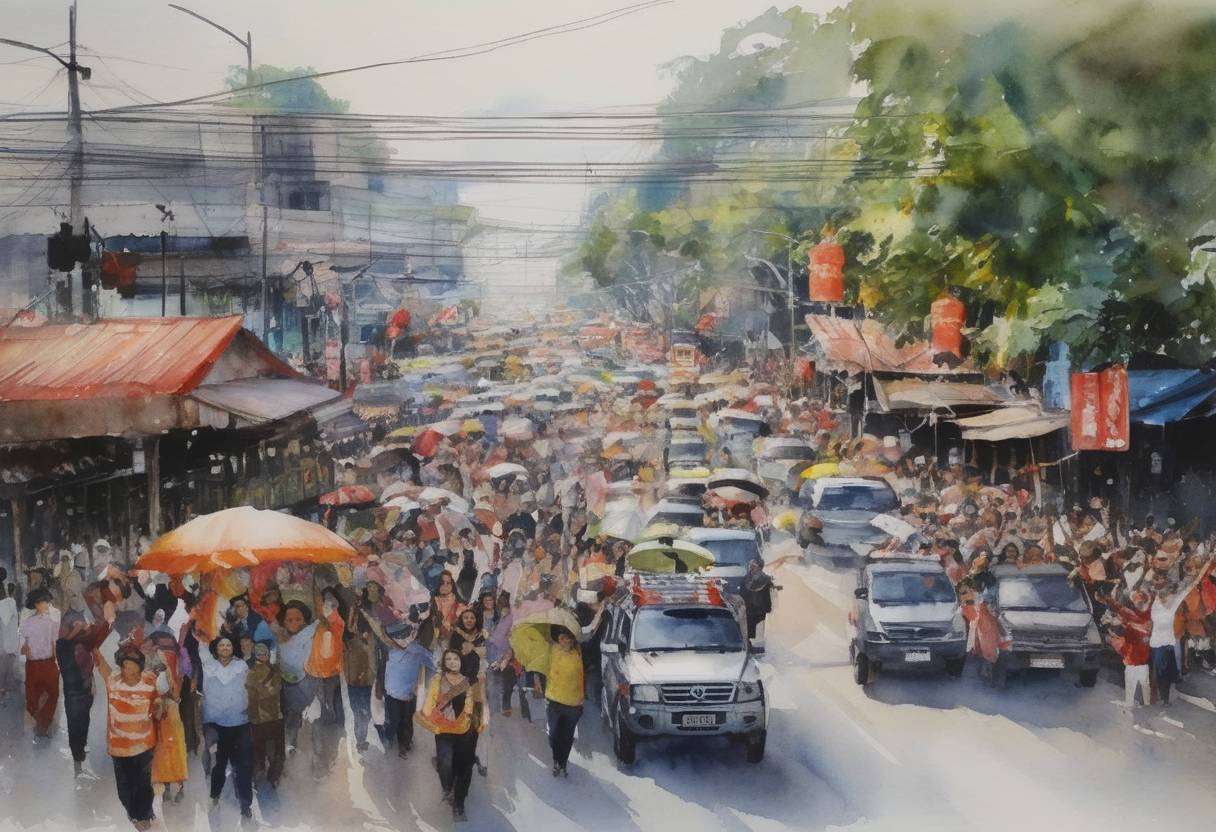
On January 24, 2014, the Thai government declared a state of emergency in response to widespread political protests occurring in the nation’s capital, Bangkok, and other regions. The demonstrations were part of a movement aimed at removing Prime Minister Yingluck Shinawatra from office, amidst allegations of corruption and abuse of power.
The political unrest in Thailand during this period can be traced back to deep-seated divisions between political factions. Yingluck Shinawatra, who had been in office since 2011, was closely associated with her brother, Thaksin Shinawatra, a former prime minister ousted in a 2006 military coup. Thaksin’s influence was a source of contention, and his policies were perceived by some as benefiting rural areas at the expense of urban populations.
The protests were intensified by allegations against Yingluck’s administration. Critics accused her government of acting as a proxy for Thaksin and condemned a contentious amnesty bill, which was seen as a potential pathway for Thaksin’s return to Thailand without facing punishment for past corruption charges.
By early 2014, the protests had gained significant momentum, with large crowds gathering in Bangkok. The movement was orchestrated by the People’s Democratic Reform Committee (PDRC), led by Suthep Thaugsuban, a former deputy prime minister.
Protesters called for Yingluck to resign and for reforms to be carried out before any elections took place. The situation grew increasingly tense, with demonstrators occasionally clashing with police forces, leading to fears of escalating violence.
The state of emergency declared on January 24 granted the government broad powers to curb freedoms, such as the right to detain individuals without charges and censor the media. Authorities justified the declaration by citing the need to maintain order and safety amidst the volatile situation.
Despite the imposition of the state of emergency, protests continued, illustrating the deep political divisions within the country. The government faced the challenge of balancing the enforcement of the emergency measures while dealing with international scrutiny over possible human rights violations.
The state of emergency and prolonged protests had significant impacts on Thailand’s political landscape. The unrest culminated in a military coup on May 22, 2014, which ousted Yingluck Shinawatra from power. This coup marked Thailand’s 12th successful military takeover in its modern history.
The political crisis that unfolded highlighted the enduring challenges of democratic governance in Thailand and underscored the continued influence of military forces in political affairs. The events also exemplified the intense polarization between different segments of Thai society, a factor that continues to affect the country’s political dynamics.
Source: edition.cnn.com