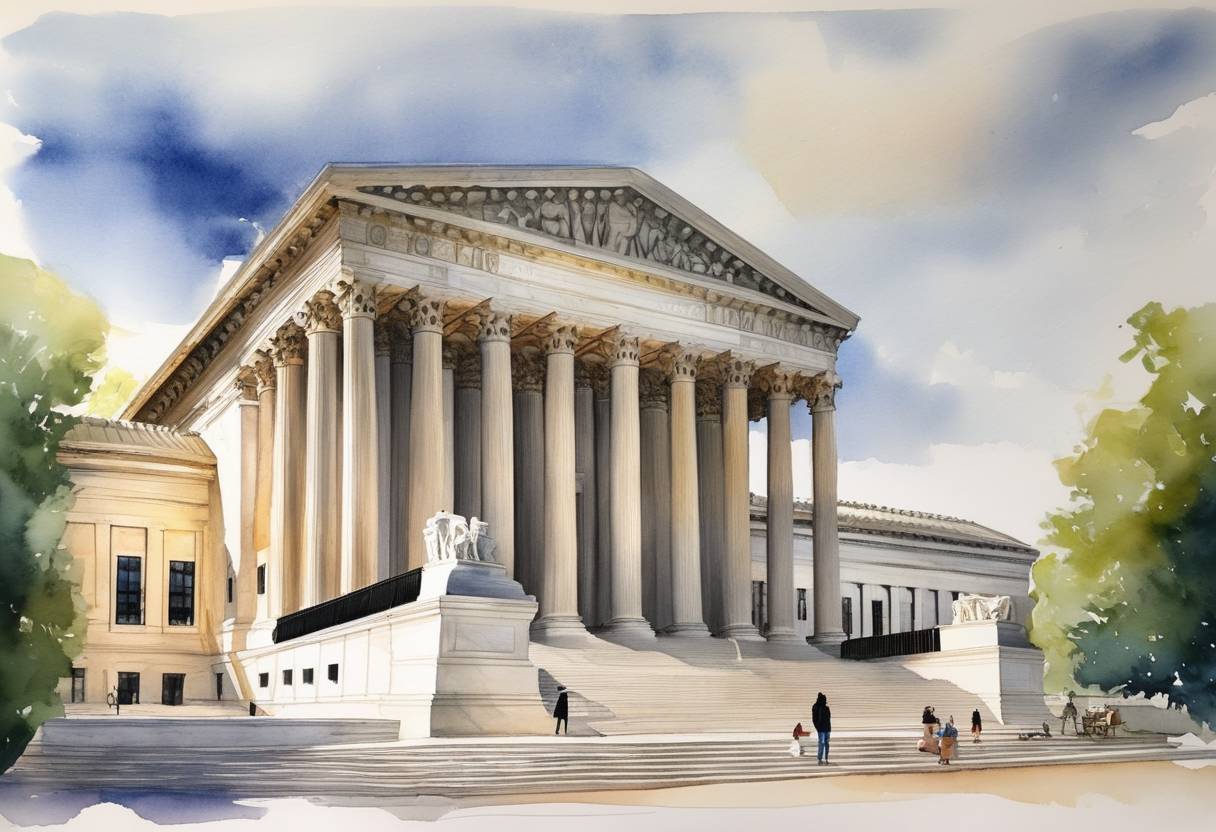
Biden v. Nebraska Oral Arguments
On March 1, 2023, the United States Supreme Court commenced oral arguments in the significant case of Biden v. Nebraska. This case addressed President Joe Biden’s student loan forgiveness plan, a policy initiative designed to provide financial relief to millions of student loan borrowers across the nation.
Background
The student loan forgiveness plan proposed by President Biden aimed to forgive a substantial portion of federal student loan debt for eligible borrowers. This policy was lauded by advocates as a measure to relieve financial strain from individuals burdened by educational debt, particularly those affected by the economic challenges instigated by the COVID-19 pandemic.
Legal Challenges
The policy faced immediate legal challenges from several states, with Nebraska, among others, arguing that the executive action overstepped the bounds of presidential authority. The plaintiffs contended that such a significant financial measure required legislative approval, and they raised concerns about its economic implications for both state and federal budgets.
Proceedings
During the oral arguments on March 1, the justices of the Supreme Court examined key legal questions, including the scope of executive power in modifying or forgiving federally held student debt and the standing of states to challenge such federal policies.
Attorneys representing the states challenging the plan argued that the forgiveness initiative constituted a transformative policy decision that should have been enacted through Congress rather than through executive action. On the other side, the defense asserted that existing statutes empowered the executive branch to implement this kind of debt relief in response to national emergencies.
Broader Implications
The decision of this case carries significant ramifications not only for the future of presidential authority regarding financial relief policies but also for the economic welfare of countless Americans with student debts. The Court’s ruling, anticipated by the end of the term, was set to potentially impact the legislative and executive dynamics over educational and financial policy decisions in the United States.
This legal debate highlighted tensions between executive action and legislative prerogatives, touching upon constitutional questions about the balance of power in the federal government.
Outcome
As of the time of the hearing, the Supreme Court had yet to deliver a decision. The case continued to draw attention from political leaders, economists, legal experts, and the general public, awaiting a verdict that could redefine the landscape of federal authority over personal financial obligations.