The Netherlands Legalizes Same-Sex Marriage: April 1, 2001
2001 · Amsterdam, Netherlands
The Netherlands became the first country in the world to legalize same-sex marriage.
April 10, 2001
The Netherlands became the first country in the world to legalize same-sex marriage. Four same-sex couples were married at midnight in Amsterdam, marking a historic milestone for LGBTQ+ rights.
Amsterdam, Netherlands | Dutch Government
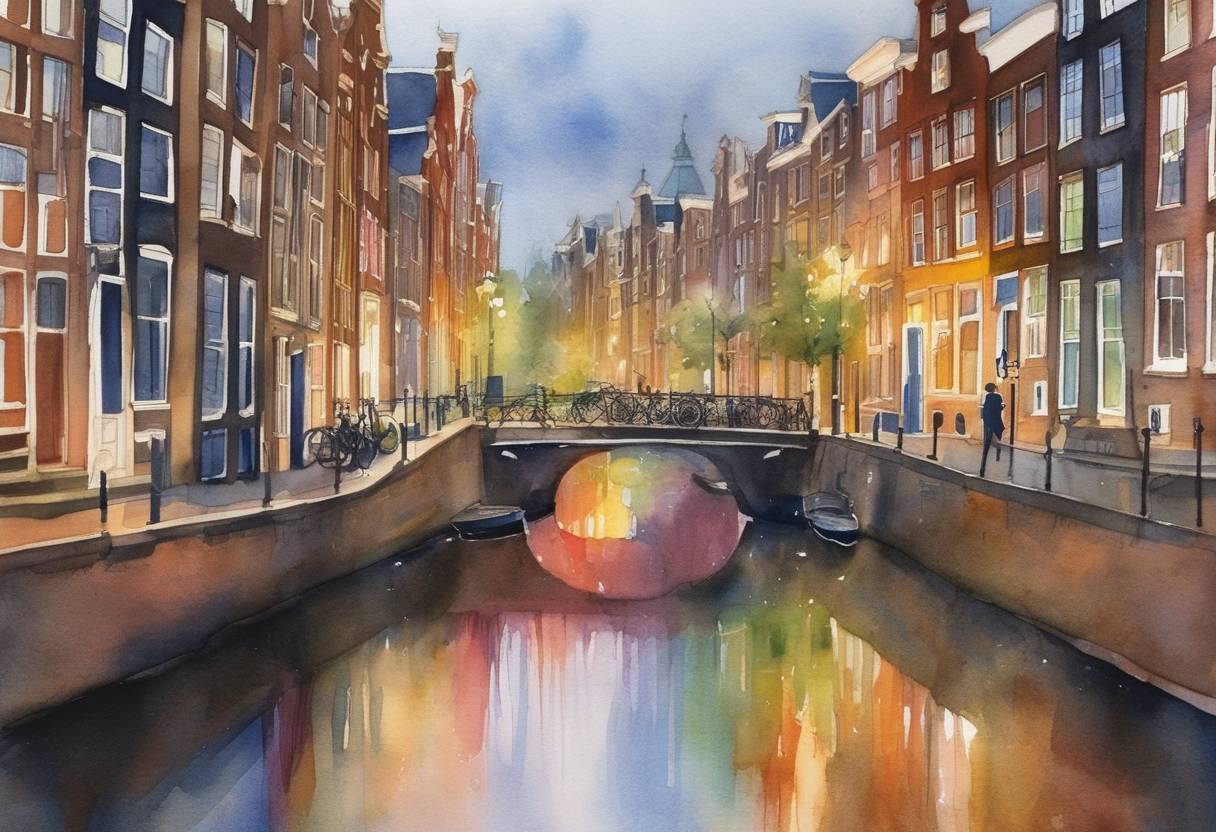
On April 1, 2001, The Netherlands became the first country in the world to legalize same-sex marriage, ushering in a historic milestone for LGBTQ+ rights worldwide. This landmark event marked a significant advancement in the struggle for equality and recognition of same-sex couples under law.
The road to legalizing same-sex marriage in The Netherlands began several years prior, characterized by progressive social attitudes and legal reforms:
Precedents and Context: The Netherlands had historically been at the forefront of LGBTQ+ rights, having decriminalized homosexuality in 1811. Prior to the marriage law change, registered partnerships for same-sex couples were introduced in 1998, providing many of the legal benefits of marriage.
Legislative Process: The path to full marriage equality was facilitated by growing public support and political advocacy. Following debates within the Dutch parliament and the support of Prime Minister Wim Kok’s government, legislation was passed with a clear majority.
Social Acceptance: Surveys indicated strong public backing for same-sex marriage by the late 1990s, reflecting The Netherlands’ progressive stance on social issues.
At the stroke of midnight on April 1 at the Amsterdam City Hall, four same-sex couples were officially married. The ceremony was officiated by Job Cohen, the Mayor of Amsterdam, who was an ardent supporter of the legislative change:
The Couples: The ceremony involved both male and female couples, symbolically representing the equal rights afforded to all same-sex partnerships.
Legal and Social Impact: These marriages not only validated the personal relationships of same-sex couples within a legal framework but also spearheaded a broader global conversation regarding marriage equality.
Pioneering Role: The Netherlands set a precedent that inspired many countries around the world to reconsider their legal stances on same-sex marriage. Over the following two decades, numerous countries across Europe, the Americas, and other regions followed suit with similar legislation.
Ongoing Advocacy: While The Netherlands’ decision was a major victory for LGBTQ+ rights, it also highlighted ongoing challenges. Activists continue to work towards both legal and social acceptance worldwide.
The legalization of same-sex marriage by The Netherlands on April 1, 2001, stood as a powerful testament to the progression of human rights and signaled a transformative shift in the approach to equality and justice, reflecting The Netherlands’ ongoing legacy of tolerance and inclusivity.
Source: en.wikipedia.org