April 24, 1981

The introduction of the IBM Personal Computer was announced, setting a new standard in the personal computing industry.


Boca Raton, United States | IBM
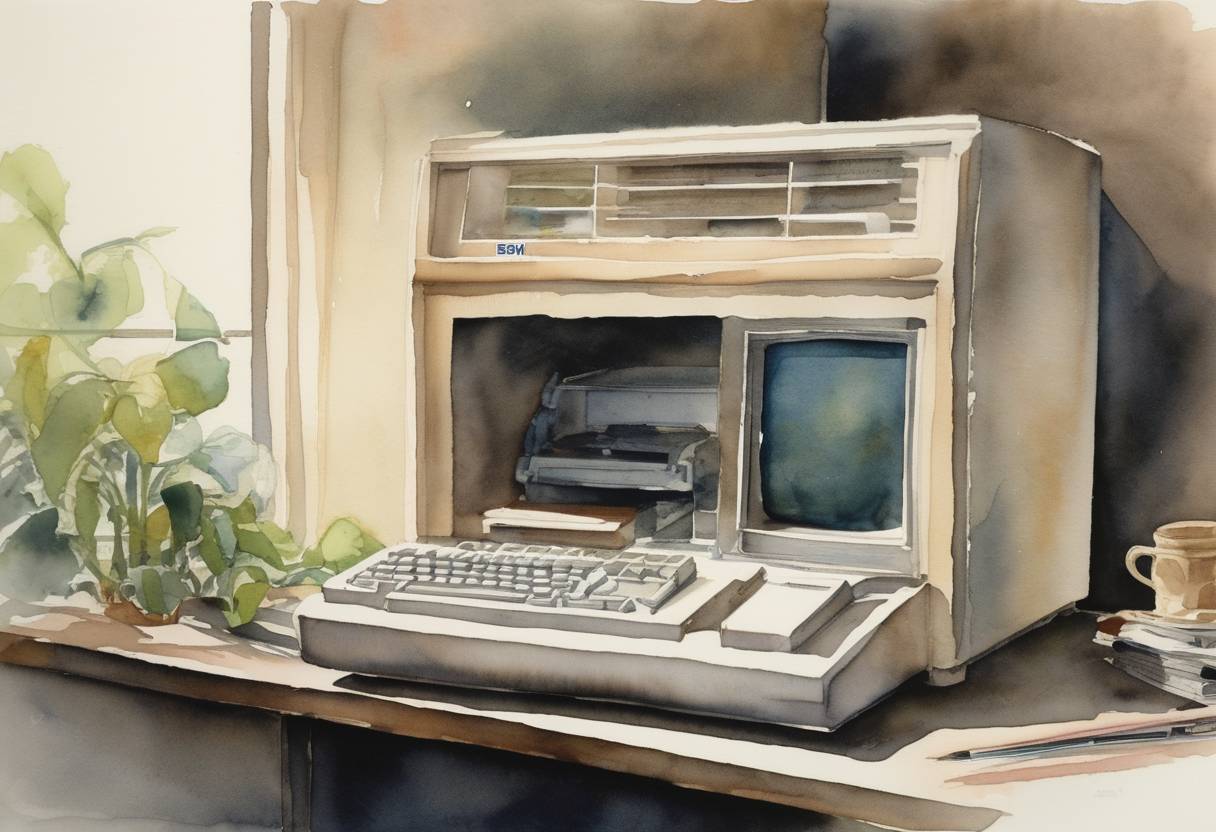
Watercolor painting based depiction of The introduction of the IBM Personal Computer was announced, setting a new standard in the personal computing industry. (1981)

The IBM Personal Computer, commonly referred to as the IBM PC, was not announced on April 24, 1981. Instead, the IBM PC was officially announced on August 12, 1981. Below are the details of the correct announcement date.

Announcement of the IBM Personal Computer

On August 12, 1981, IBM announced the launch of the IBM 5150, more commonly known as the IBM Personal Computer (IBM PC). This event marked a pivotal moment in the personal computing industry, establishing a new standard for IBM-compatible PCs.

Context and Development

  • Development Team: The IBM PC was developed by a team led by Don Estridge at the IBM Boca Raton, Florida facility.
  • Project Name: Internally known as “Project Chess,” the creation of the IBM PC was a response to the rapidly growing personal computer market and IBM’s realization that they were behind competitors like Apple and Commodore.
  • Timeline: From conception to release, the product was developed in just over a year, a notably rapid timeframe for IBM.

Key Features

  • Specifications: The IBM PC was powered by an Intel 8088 microprocessor and came with 16 KB of RAM, expandable to 256 KB.
  • Operating System: It was offered with Microsoft’s MS-DOS operating system, an agreement that significantly impacted the software industry.
  • Open Architecture: IBM’s decision to use off-the-shelf components and an open architecture allowed third-party developers to create hardware and software, drastically influencing the market.

Impact and Aftermath

  • Market Influence: The IBM PC set a de facto standard for personal computing, leading to a wave of PC clones and establishing what would become known as the “IBM-compatible” market.
  • Microsoft and Intel Rise: The partnership with Microsoft on MS-DOS software and Intel for its processor cemented these companies as leading figures in the tech industry.
  • Legacy: The architecture and design principles of the IBM PC laid the foundation for the majority of personal computers that followed, shaping the landscape of modern computing.

The announcement and subsequent release of the IBM PC played a crucial role in democratizing computing technology, bringing personal computers into homes and small businesses worldwide, and changing the technological landscape for future generations.

Source: www.ibm.com