Assassination of Akhmad Kadyrov - May 9, 2004
2004 · Grozny, Russia
Chechen President Akhmad Kadyrov was assassinated in a bomb attack during a World War II memorial parade in Grozny.
December 27, 2002
Two truck bombs exploded in the Chechen capital of Grozny, killing at least 72 people and injuring more than 200. The attack targeted the pro-Moscow government headquarters, highlighting the ongoing conflict in the region.
Grozny, Russia | Chechen separatists
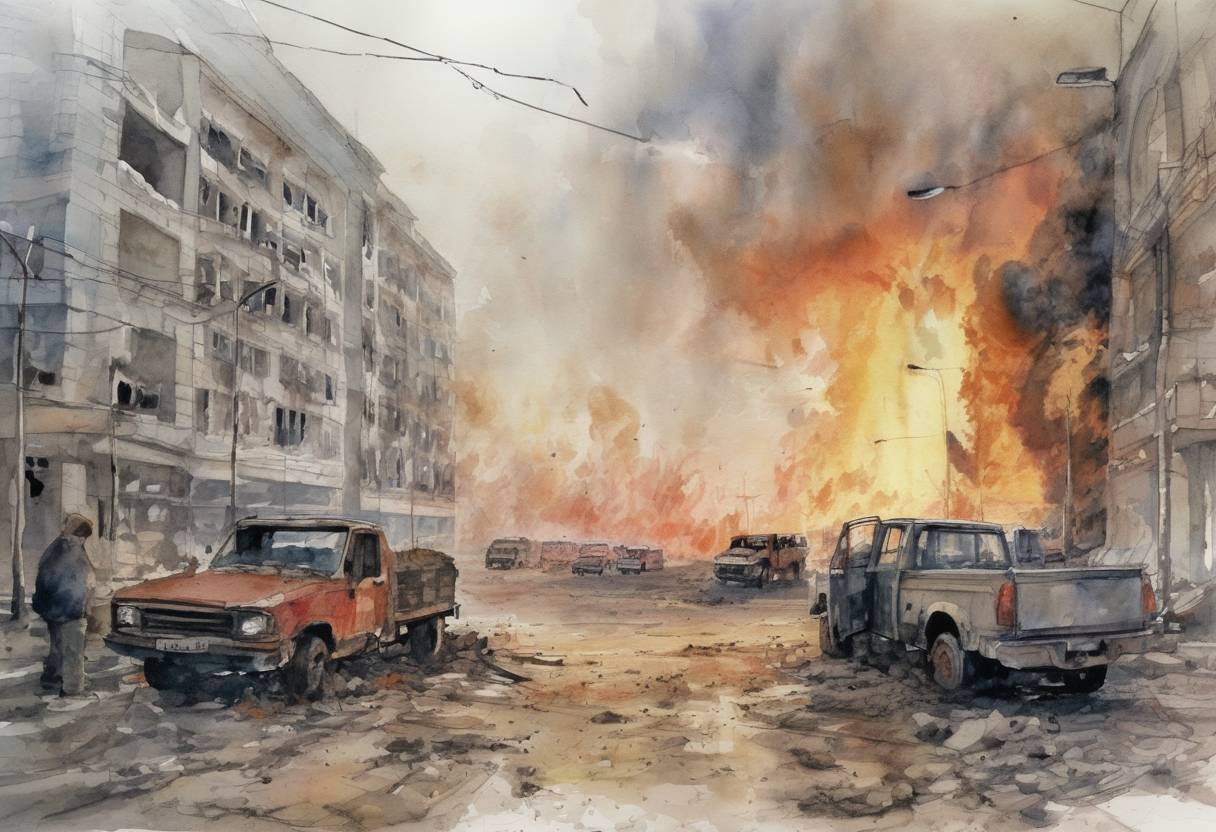
On December 27, 2002, a devastating attack occurred in Grozny, the capital of the Chechen Republic, when two truck bombs exploded outside the pro-Moscow government headquarters. This tragic event resulted in the deaths of at least 72 individuals and left more than 200 injured. The attack was a stark reminder of the ongoing conflict and instability in the region.
The Chechen Republic, located in the North Caucasus region of Russia, has been a focal point of conflict since the dissolution of the Soviet Union. The First Chechen War (1994-1996) and the Second Chechen War (1999-2009) were characterized by violent clashes between Russian federal forces and Chechen separatists seeking independence.
By 2002, the conflict had evolved into a complex insurgency, with various factions, including Islamist militants, continuing to resist Russian control. The pro-Moscow government in Chechnya, led by Akhmad Kadyrov at the time, was a target for those opposing Russian influence in the region.
The attack on December 27, 2002, was meticulously planned and executed. Two vehicles, laden with explosives, were driven into the heavily fortified government complex in Grozny. The bombers managed to breach the security perimeter, detonating the explosives near the main government building.
The Grozny bombings underscored the persistent volatility in Chechnya and the challenges faced by Russian authorities in establishing peace and stability. The attack had several immediate and long-term consequences:
The Grozny bombings were part of a series of violent incidents that marked the early 2000s in Chechnya. They reflected the deep-seated tensions and the complex interplay of political, ethnic, and religious factors driving the conflict. The events in Chechnya during this period had broader implications for Russian domestic policy and its approach to counter-terrorism and regional governance.
The attack on December 27, 2002, remains a poignant reminder of the challenges faced in resolving long-standing conflicts and the human cost of political and ideological struggles.
Source: www.bbc.com