The Establishment of the Metropolitan Police of London
1829 · London, United Kingdom
The Metropolitan Police of London, the first modern police force, began operations under the leadership of Sir Robert Peel.
July 22, 2005
Jean Charles de Menezes, a Brazilian electrician, was mistakenly shot and killed by police at Stockwell tube station in London, amid heightened security following the July 7 bombings.
London, United Kingdom | Metropolitan Police Service
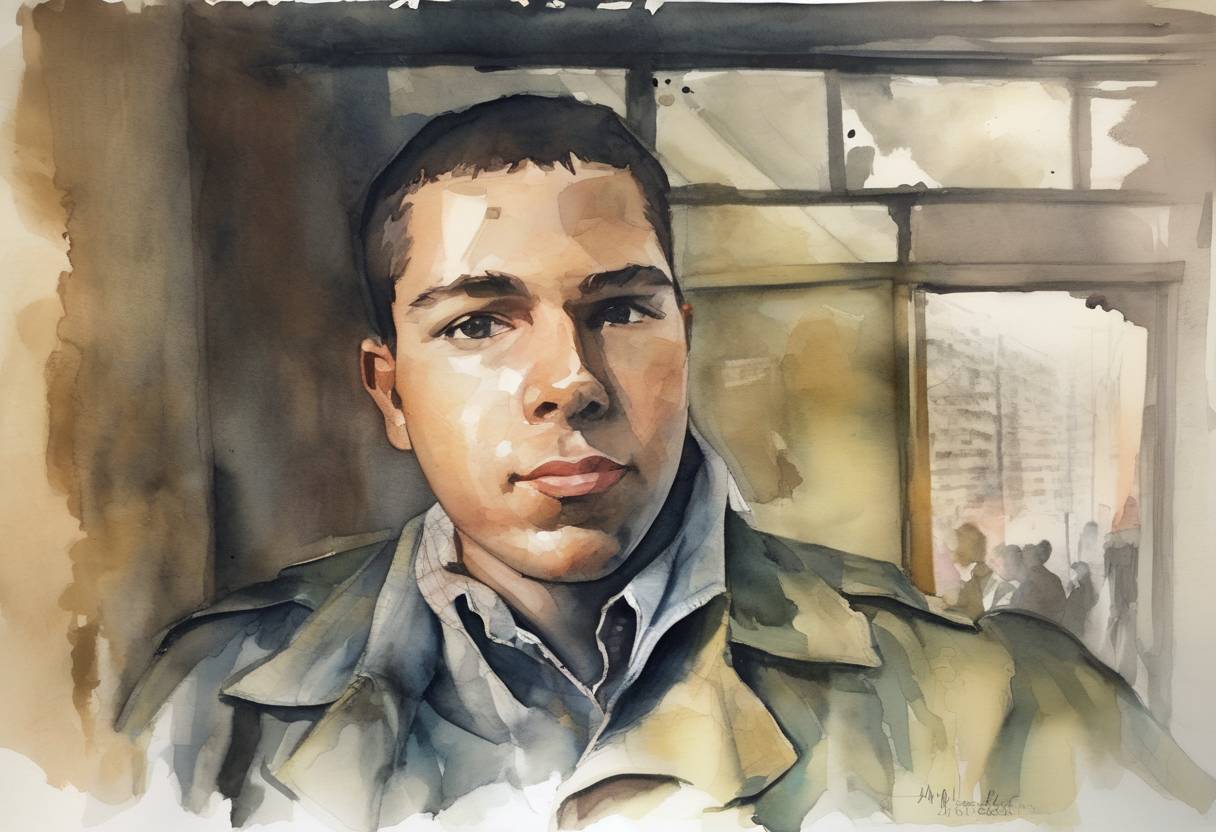
On July 22, 2005, Jean Charles de Menezes, a Brazilian electrician, was mistakenly shot and killed by police officers at Stockwell tube station in London. This tragic incident occurred in the context of heightened security and tension following the July 7 bombings in London, which had resulted in 52 deaths and hundreds of injuries.
July 7 Bombings: On July 7, 2005, London experienced a series of coordinated suicide bomb attacks targeting the city’s public transport system. These attacks were carried out by Islamist extremists and resulted in widespread fear and increased security measures across the city.
July 21 Attempted Bombings: Just two weeks later, on July 21, another attempted bombing took place. Although the devices failed to detonate properly, the incident further escalated the sense of urgency and fear among the public and authorities.
Surveillance and Misidentification: On the morning of July 22, police were conducting surveillance on a block of flats in Tulse Hill, South London, as part of their investigation into the failed July 21 bombings. Jean Charles de Menezes, who lived in the same building, was mistakenly identified as one of the suspects.
Pursuit and Shooting: De Menezes left his flat and took a bus to Stockwell tube station. Undercover officers followed him, and upon entering the station, he was confronted by armed police. Believing he was a suicide bomber, officers shot de Menezes seven times in the head at close range.
Public Reaction and Investigation: The shooting sparked widespread public outrage and raised serious questions about police procedures and the use of lethal force. An investigation by the Independent Police Complaints Commission (IPCC) was launched to examine the circumstances of the shooting.
Legal and Institutional Outcomes: In 2007, the Metropolitan Police were found guilty of breaching health and safety laws and were fined. However, no individual officers were charged in connection with the shooting. The incident led to significant scrutiny and criticism of the police’s “shoot-to-kill” policy, known as Operation Kratos.
Impact on Policy and Public Perception: The tragic death of Jean Charles de Menezes highlighted the challenges and risks associated with counter-terrorism operations in urban environments. It prompted discussions on the balance between security and civil liberties, as well as the importance of accurate intelligence and communication in law enforcement.
The shooting of Jean Charles de Menezes remains a poignant reminder of the complexities and potential consequences of counter-terrorism efforts. It underscores the need for rigorous oversight and accountability in policing, especially in situations involving high-stakes decisions and the potential for tragic errors. The incident continues to be referenced in debates about police practices and the protection of individual rights in the context of national security.
Source: www.bbc.com