May 29, 1985

The Heysel Stadium disaster occurred in Brussels, Belgium, when a wall collapsed during a European Cup final, resulting in 39 deaths and hundreds of injuries.


Brussels, Belgium | UEFA
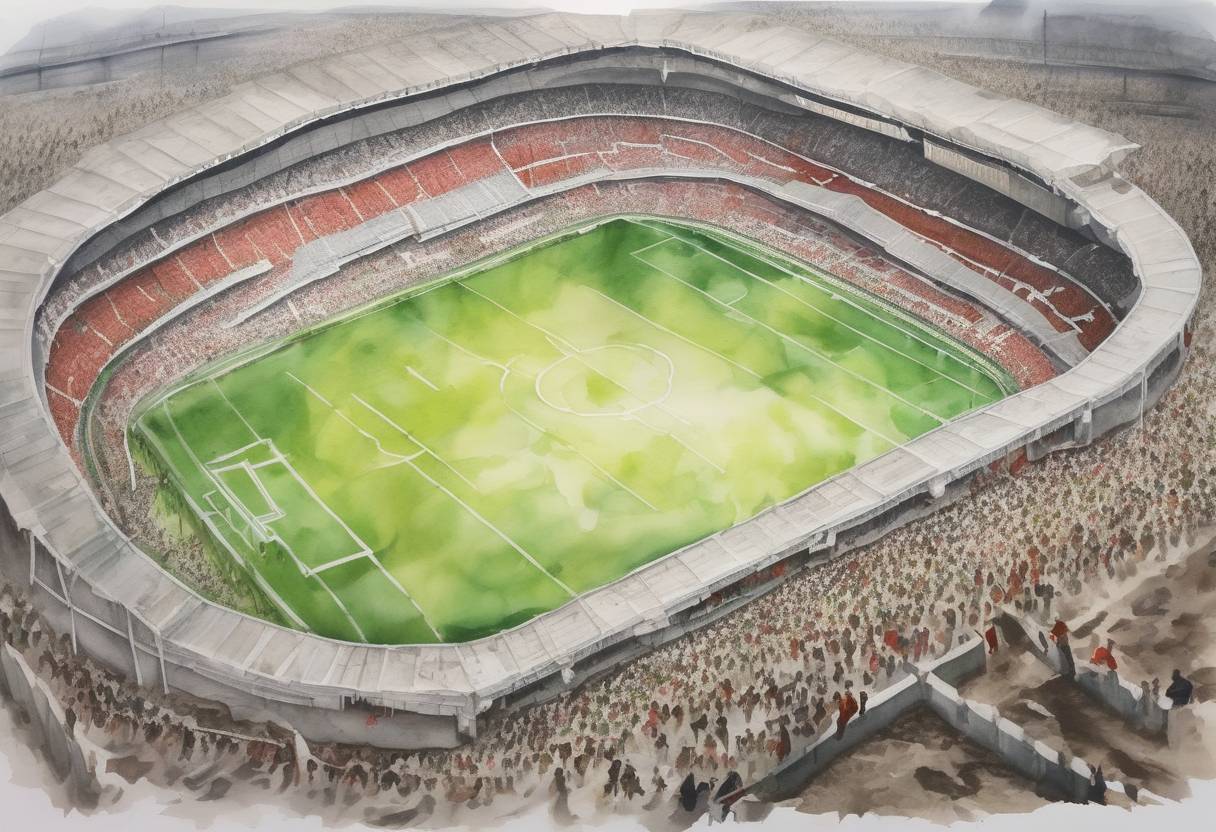
Watercolor painting based depiction of The Heysel Stadium disaster occurred in Brussels, Belgium, when a wall collapsed during a European Cup final, resulting in 39 deaths and hundreds of injuries. (1985)

The Heysel Stadium Disaster: May 29, 1985

On May 29, 1985, a tragic event unfolded at the Heysel Stadium in Brussels, Belgium, during the European Cup final between Liverpool F.C. and Juventus F.C. This disaster resulted in the deaths of 39 people and left hundreds injured, marking one of the darkest days in football history.

Background

The European Cup final was a highly anticipated match, drawing fans from across Europe. The Heysel Stadium, built in 1930, was selected as the venue. Despite its age and the need for renovations, it was chosen to host this significant event.

Events Leading to the Disaster

  • Crowd Tensions: Tensions between the Liverpool and Juventus fans were high, exacerbated by language barriers and the lack of adequate crowd control measures.
  • Stadium Conditions: The stadium’s infrastructure was inadequate for such a large event. The terraces were overcrowded, and the barriers separating rival fans were insufficient.

The Disaster

  • The Collapse: Before the match began, a group of Liverpool fans breached a barrier separating them from Juventus supporters. In the ensuing chaos, Juventus fans retreated, causing a crush against a retaining wall.
  • Wall Collapse: The pressure of the crowd caused the wall to collapse, leading to the deaths of 39 people, mostly Juventus supporters, and injuring over 600 others.

Immediate Aftermath

  • Match Continuation: Despite the tragedy, the match was played to prevent further violence. Juventus won 1-0, but the victory was overshadowed by the disaster.
  • Global Reaction: The event drew widespread condemnation and highlighted the need for improved stadium safety and crowd control measures.

Consequences

  • Legal and Disciplinary Actions: UEFA banned English clubs from European competitions for five years, and Liverpool received an additional year. Several Liverpool fans were later convicted of manslaughter.
  • Stadium Safety Reforms: The disaster led to significant changes in stadium safety regulations across Europe, including the introduction of all-seater stadiums and improved crowd management practices.

Historical Significance

The Heysel Stadium disaster was a pivotal moment in football history, prompting a reevaluation of fan safety and stadium infrastructure. It underscored the need for international cooperation in ensuring the safety of sporting events and left a lasting impact on how football matches are organized and policed.

This tragic event serves as a somber reminder of the potential consequences of inadequate safety measures and the importance of prioritizing the well-being of fans in sporting environments.