Earthquake in Central Italy - August 24, 2016
2016 · Amatrice, Italy
A magnitude 6.2 earthquake struck central Italy, causing significant destruction and resulting in the deaths of nearly 300 people.
November 12, 2019
Venice, Italy, experienced its worst flooding in more than 50 years, with water levels reaching 1.87 meters (6.14 feet), causing extensive damage to historic sites and buildings.
Venice, Italy | Venetian government
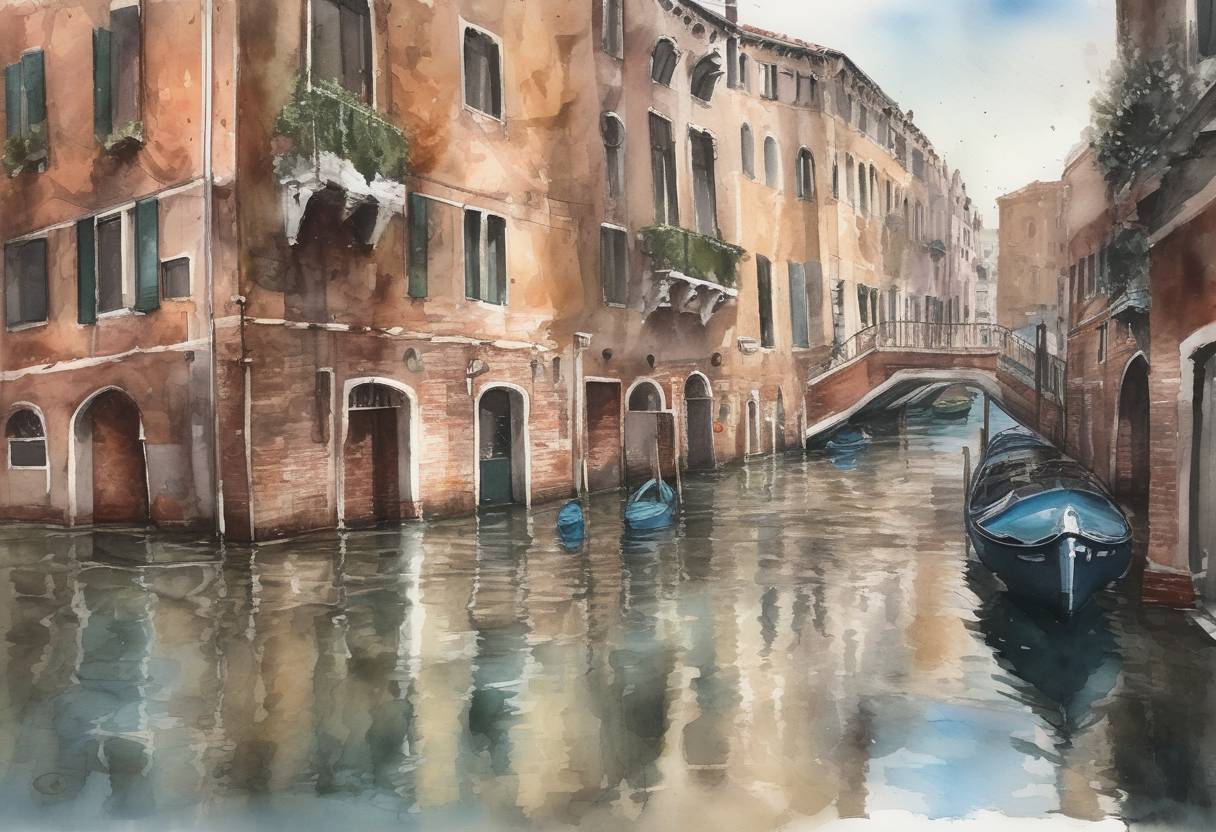
On November 12, 2019, Venice, Italy, experienced its worst flooding in over half a century. The water levels reached an alarming 1.87 meters (6.14 feet), marking the highest tide since the infamous flood of 1966. This catastrophic event caused extensive damage to the city’s historic sites, buildings, and infrastructure.
Venice, a city renowned for its intricate network of canals and stunning architecture, is particularly vulnerable to flooding due to its unique geographical position. The city is built on a series of islands within the Venetian Lagoon, which is connected to the Adriatic Sea. Several factors contributed to the severe flooding:
The flooding on November 12, 2019, had a profound impact on Venice:
In the wake of the disaster, the Italian government declared a state of emergency and allocated funds for immediate relief and restoration efforts. The event also reignited discussions about the MOSE project, a long-delayed flood barrier system designed to protect Venice from high tides. The project, which had faced numerous delays and controversies, was seen as a crucial measure to prevent future flooding.
The 2019 flooding underscored the urgent need for effective measures to combat climate change and protect vulnerable cities like Venice. It highlighted the challenges faced by historic cities in adapting to modern environmental threats and the importance of preserving cultural heritage in the face of such challenges.
Overall, the flooding of November 12, 2019, served as a stark reminder of the delicate balance between nature and human habitation in one of the world’s most unique cities.
Source: www.bbc.com