The Earthquake of December 14, 557: Constantinople
557 · Constantinople, Byzantine Empire
A major earthquake struck Constantinople, causing significant damage to the city, including the collapse of the dome of the Hagia Sophia.
May 18, 0526
A devastating earthquake struck the city of Antioch, causing widespread destruction and loss of life. The earthquake is estimated to have killed around 250,000 people, making it one of the deadliest earthquakes in recorded history.
Antioch, Byzantine Empire
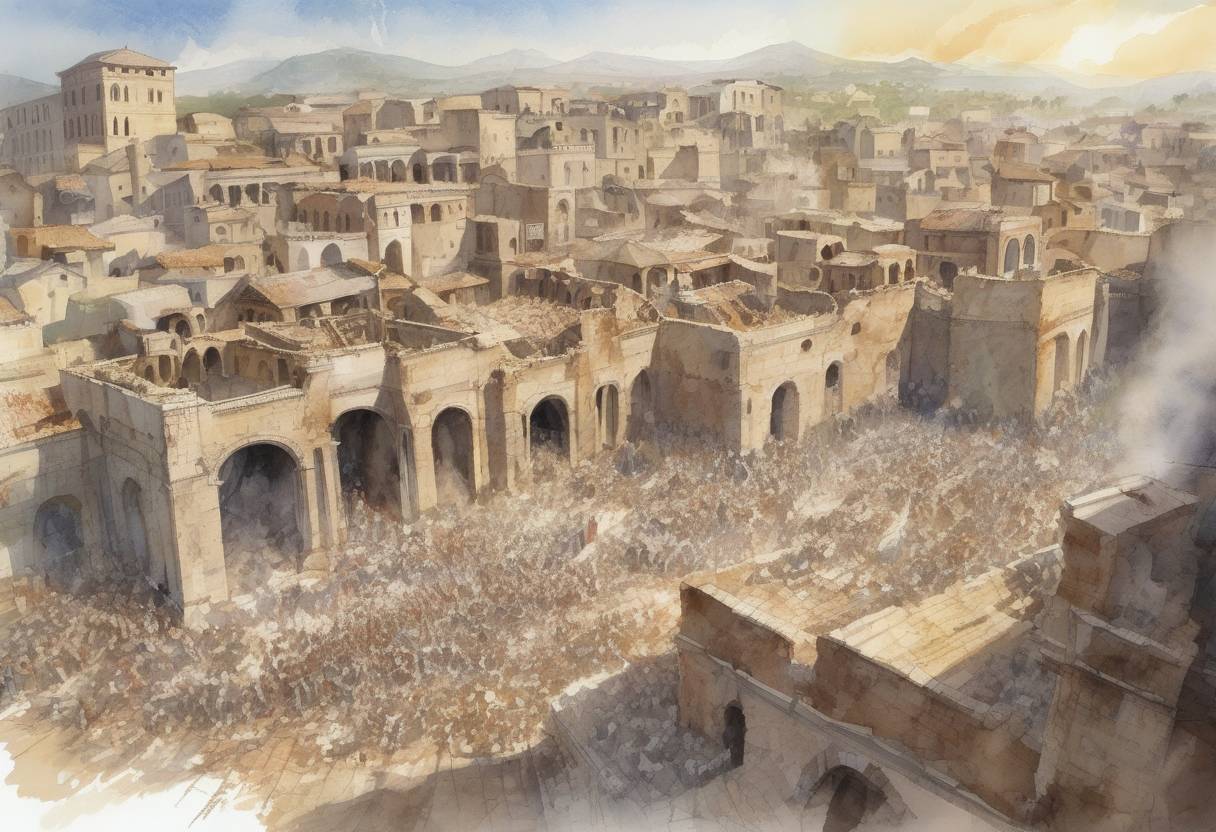
On May 18, 526, the ancient city of Antioch, located in what is now modern-day Turkey, experienced one of the deadliest earthquakes in recorded history. This catastrophic event resulted in widespread destruction and a staggering loss of life, with estimates suggesting that around 250,000 people perished.
Antioch was one of the major cities of the Roman Empire and later the Byzantine Empire, known for its strategic location and cultural significance. It was a bustling metropolis, serving as a key center for trade, culture, and religion in the ancient world. The city was also an important hub for early Christianity.
The earthquake struck with devastating force, causing extensive damage to the infrastructure of Antioch. Buildings, including homes, public structures, and religious sites, were reduced to rubble. The destruction was so severe that it reshaped the city’s landscape.
The aftermath of the earthquake was dire. The massive loss of life and the destruction of infrastructure had long-lasting effects on the region:
The earthquake of 526 is remembered not only for its immediate impact but also for its place in the history of natural disasters. It serves as a reminder of the vulnerability of ancient cities to natural calamities and the profound impact such events can have on human societies.
In the broader context of history, the earthquake contributed to the challenges faced by the Byzantine Empire during this period, which included political instability and external threats. The disaster underscored the need for improved urban planning and construction techniques, lessons that resonate even in modern times.
The tragedy of Antioch in 526 remains a poignant chapter in the annals of history, illustrating the enduring struggle between human civilization and the forces of nature.
Source: en.wikipedia.org