Senegal's Independence from the Mali Federation: August 20, 1960
1960 · Dakar, Senegal
Senegal breaks from the Mali Federation, declaring independence.
September 5, 1960
Poet Léopold Sédar Senghor was elected as the first president of Senegal, after the country's independence from France earlier that year.
Dakar, Senegal | Parti de la Fédération Africaine
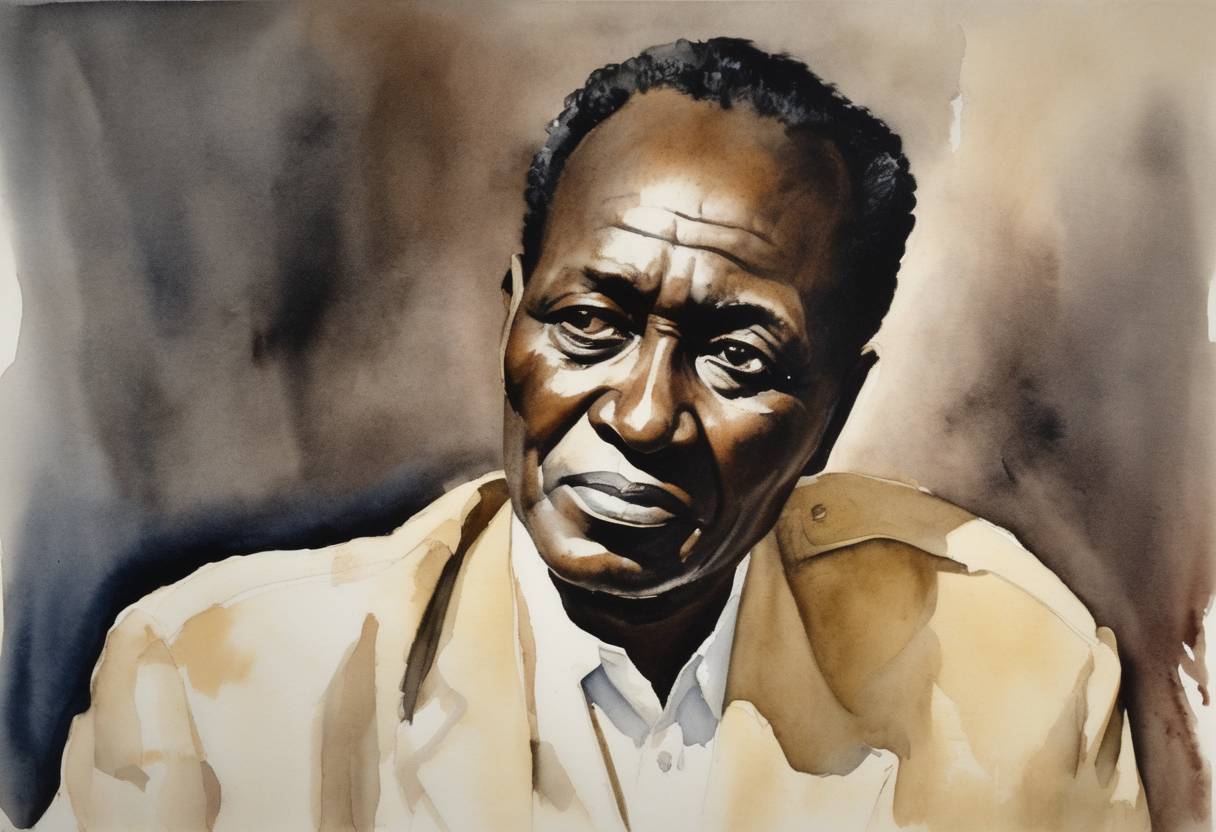
On September 5, 1960, Léopold Sédar Senghor was elected as the first President of the newly independent Republic of Senegal. This event marked a significant milestone in the history of Senegal, a country that had gained independence from French colonial rule earlier that year on April 4, 1960.
Before independence, Senegal was a part of the French colonial empire. It was one of four territories in French West Africa where some African citizens could vote for representation in the French National Assembly. Senghor himself was a notable figure in these political arenas, being one of Senegal’s deputies to the French Parliament.
Senegal’s struggle for autonomy gained momentum after World War II, aligning with a broader decolonization trend across Africa. Negotiations and political maneuvering, particularly involving Senghor and his contemporaries, such as his eventual Prime Minister, Mamadou Dia, were crucial in the transition process. These efforts culminated in the dissolution of the Mali Federation—a political entity that included Senegal and the Sudanese Republic (modern-day Mali)—leading to Senegal’s full independence.
Senghor’s election was a crucial step in setting up the nascent republic’s political structure. As an esteemed poet, cultural theorist, and politician, Senghor brought a unique vision to leadership, emphasizing cultural identity and development.
Léopold Sédar Senghor is best known for his role in developing the concept of Négritude, a cultural-political approach that valorized African culture and heritage. His policies were marked by efforts to harmonize traditional African culture with progressive political approaches inspired by his engagements in France.
Senghor’s presidency laid the foundation for Senegal’s political stability compared to many other post-colonial African states. He pursued an inclusive government, promoting dialogue and cooperation among Senegal’s diverse ethnic groups.
Senghor served as Senegal’s president until December 31, 1980, when he voluntarily stepped down, a rare occurrence among African leaders of his time. His leadership established him as a key figure in African politics, known for his intellectual contributions and efforts toward cultural integration.
His legacy continues to influence Senegalese politics and culture, earning him a revered status in Senegal and across the broader African continent. His tenure remains a poignant example of leadership rooted in cultural pride and political stability.
This account of Senghor’s election and presidency captures a moment of historical significance, illustrating the complex yet successful transition of Senegal from colonial rule to an independent republic, under the guidance of a visionary leader.
Source: en.wikipedia.org