Famine Declaration in South Sudan - February 20, 2017
2017 · Juba, South Sudan
The United Nations declared the famine in parts of South Sudan, affecting over 100,000 people and putting millions more at risk of starvation.
August 4, 2010
The United Nations declared a famine in parts of southern Somalia, the first time in 30 years that a famine had been declared in the region, due to a severe drought and ongoing conflict.
Mogadishu, Somalia | United Nations
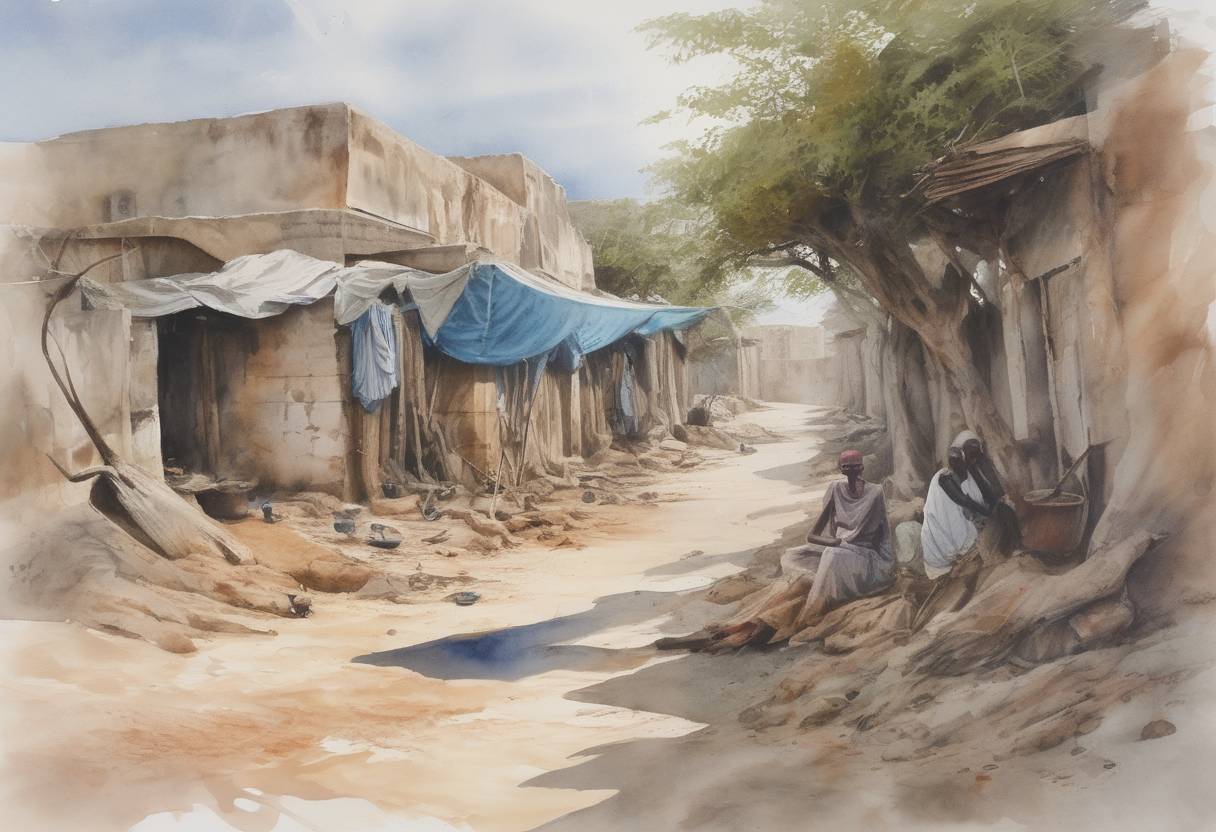
On August 4, 2010, the United Nations declared a famine in parts of southern Somalia, marking the first time in 30 years that such a declaration had been made in the region. This announcement was a response to a severe humanitarian crisis precipitated by a combination of factors, including a devastating drought and ongoing conflict.
Severe Drought: The Horn of Africa, including Somalia, experienced one of the worst droughts in decades. The lack of rainfall led to crop failures and a significant reduction in food production, severely impacting food availability and access.
Ongoing Conflict: Somalia had been embroiled in civil conflict since the collapse of its central government in 1991. The persistent instability and violence, particularly in the southern regions, exacerbated the humanitarian situation by hindering aid delivery and displacing populations.
Economic Factors: The drought and conflict disrupted local economies, leading to skyrocketing food prices. Many families were unable to afford basic necessities, further contributing to the crisis.
The United Nations, through its Food Security and Nutrition Analysis Unit (FSNAU) and the Famine Early Warning Systems Network (FEWS NET), declared a famine in two regions of southern Somalia: Bakool and Lower Shabelle. The declaration was based on specific criteria, including:
The famine declaration prompted an international response aimed at alleviating the crisis:
The 2010 famine in Somalia underscored the complex interplay between environmental factors and human conflict in exacerbating humanitarian crises. It also demonstrated the critical need for coordinated international efforts to address such emergencies and prevent future occurrences through early warning systems and resilience-building initiatives.
The famine declaration served as a stark reminder of the ongoing challenges faced by Somalia and similar regions, emphasizing the importance of addressing root causes to achieve long-term stability and food security.
Source: www.un.org