Sir Walter Raleigh's Patent to Colonize Virginia
1584 · London, England
Sir Walter Raleigh was granted a patent to colonize Virginia, leading to the establishment of English colonies in North America.
January 11, 1569
The first recorded lottery in England was drawn in St. Paul's Cathedral.
London, England | English Crown
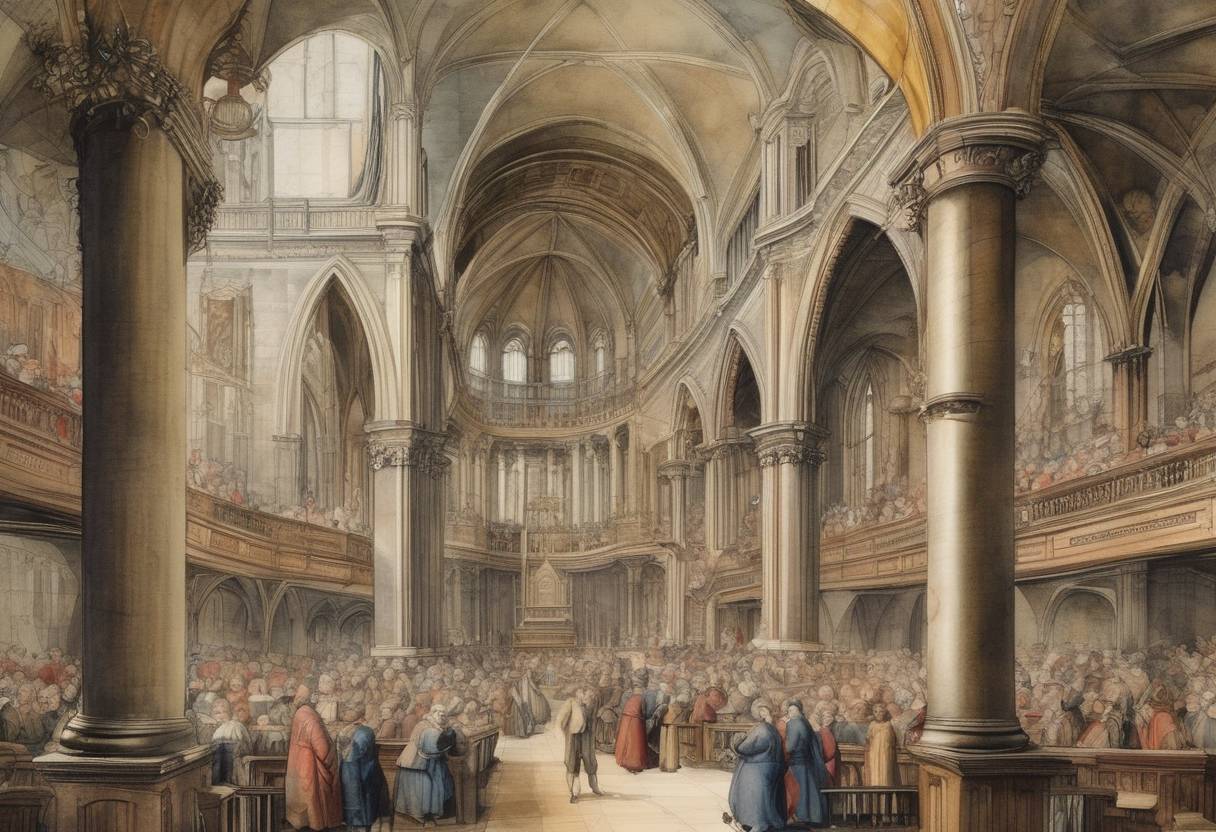
On January 11, 1569, the first recorded state lottery in England was drawn at St. Paul’s Cathedral in London. This event marked a significant moment in the history of public finance and entertainment in England, reflecting the innovative approaches to funding and public engagement during the Elizabethan era.
Elizabethan England: The reign of Queen Elizabeth I (1558-1603) was a period of exploration, cultural flourishing, and economic challenges. The government sought new ways to raise funds without imposing heavy taxes on the populace.
Funding Needs: The lottery was introduced as a means to raise money for public projects, such as the repair of harbors and other infrastructure improvements, which were crucial for trade and defense.
Organization: The lottery was authorized by a royal decree and organized by the government. Tickets were sold to the public, with the promise of monetary prizes and other rewards.
Location: The drawing took place at St. Paul’s Cathedral, a central and significant location in London, symbolizing the importance of the event.
Prizes: The prizes included cash, plate, and tapestries. The total value of the prizes was substantial for the time, and the event was designed to attract participants from all social classes.
Public Engagement: The lottery was a novel concept for the English public, combining the allure of gambling with the promise of contributing to the common good. It set a precedent for future lotteries as a means of public funding.
Economic Impact: While the lottery successfully raised funds, it also highlighted the challenges of managing public gambling and the ethical considerations involved.
Legacy: This event laid the groundwork for the development of lotteries in England and beyond, influencing how governments approached public funding and entertainment.
The 1569 lottery at St. Paul’s Cathedral was more than just a financial endeavor; it was a reflection of the innovative spirit of the Elizabethan age and its attempts to balance economic needs with public engagement.
Source: www.historic-uk.com