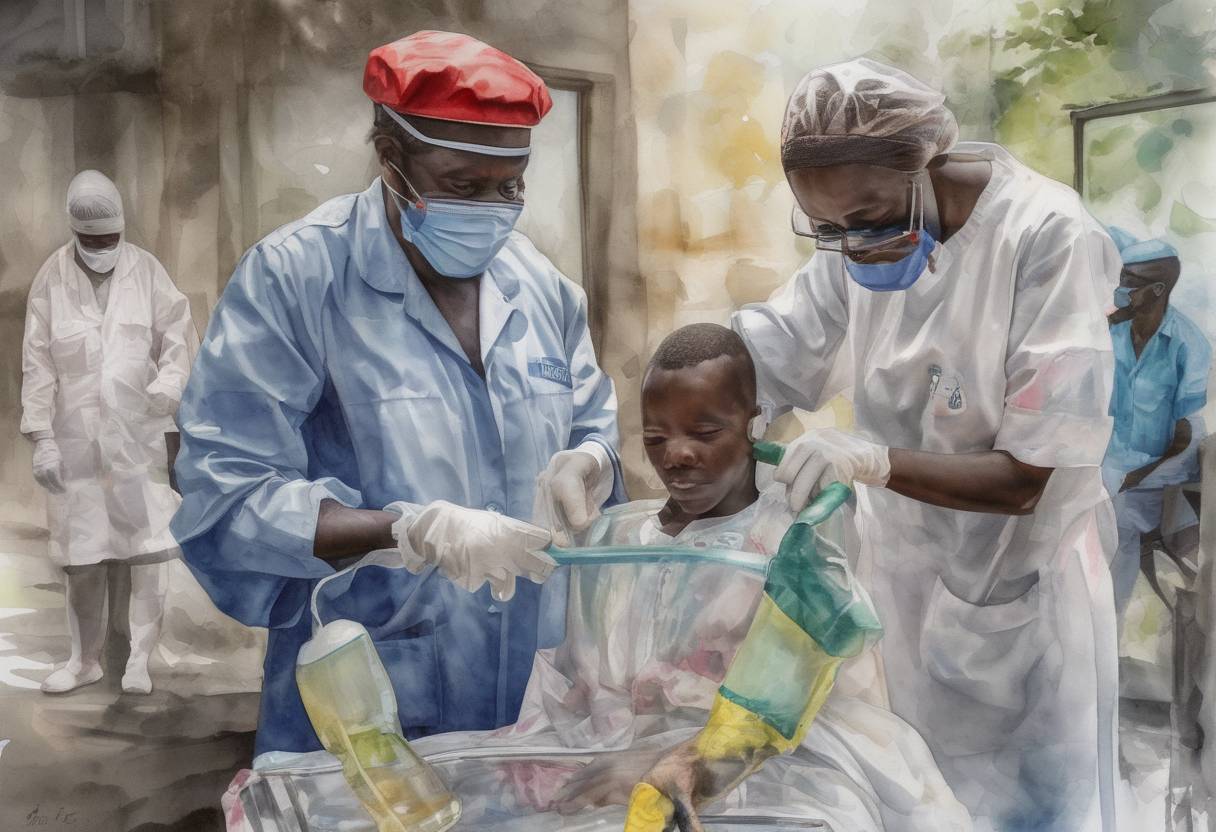
End of the Ebola Outbreak in the Democratic Republic of the Congo - June 25, 2017
On June 25, 2017, the World Health Organization (WHO) officially declared the end of the Ebola outbreak in the Democratic Republic of the Congo (DRC). This announcement marked a significant achievement in the global effort to control the spread of the Ebola virus, which has been a persistent public health challenge in parts of Africa.
Background
The Ebola virus, first identified in 1976 near the Ebola River in what is now the DRC, is a severe and often fatal illness in humans. The virus is transmitted to people from wild animals and spreads in the human population through human-to-human transmission. The DRC has experienced several outbreaks since the virus was first discovered.
The 2017 outbreak was the eighth recorded in the DRC. It was first reported on May 11, 2017, in the Likati Health Zone, a remote area in the northern part of the country. The outbreak was relatively contained, with a total of eight confirmed cases and four deaths.
Response and Control Measures
The response to the 2017 outbreak was swift and coordinated, involving the DRC’s Ministry of Health, WHO, and various international partners. Key measures included:
- Rapid Deployment of Health Teams: Health workers were quickly dispatched to the affected area to conduct surveillance, trace contacts, and provide medical care.
- Community Engagement: Efforts were made to educate the local population about the virus and the importance of reporting symptoms and avoiding contact with infected individuals.
- Vaccination Trials: Although not widely implemented during this outbreak, the use of experimental vaccines was considered for future outbreaks, building on lessons learned from the West African Ebola epidemic of 2014-2016.
Significance
The declaration of the end of the outbreak on June 25, 2017, came after a 42-day period (twice the maximum incubation period for Ebola) with no new cases reported. This achievement underscored the effectiveness of rapid response and coordination among health organizations and governments in controlling Ebola outbreaks.
Aftermath and Broader Impact
While the 2017 outbreak was contained relatively quickly, it highlighted the ongoing vulnerability of certain regions to Ebola and the need for continued vigilance and preparedness. The experience gained from this and previous outbreaks has informed global health strategies and improved response mechanisms for future public health emergencies.
The successful containment of the outbreak in the DRC in 2017 served as a reminder of the importance of international cooperation and the need for robust health systems capable of responding to infectious disease threats.