Fidel Castro's Death: End of an Era in Cuban History
2016 · Havana, Cuba
Fidel Castro, the former President of Cuba and revolutionary leader, dies at the age of 90, marking the end of an era in Cuban history.
July 31, 2006
Fidel Castro temporarily hands over power to his brother Raúl Castro due to health issues.
Havana, Cuba | Cuban Government
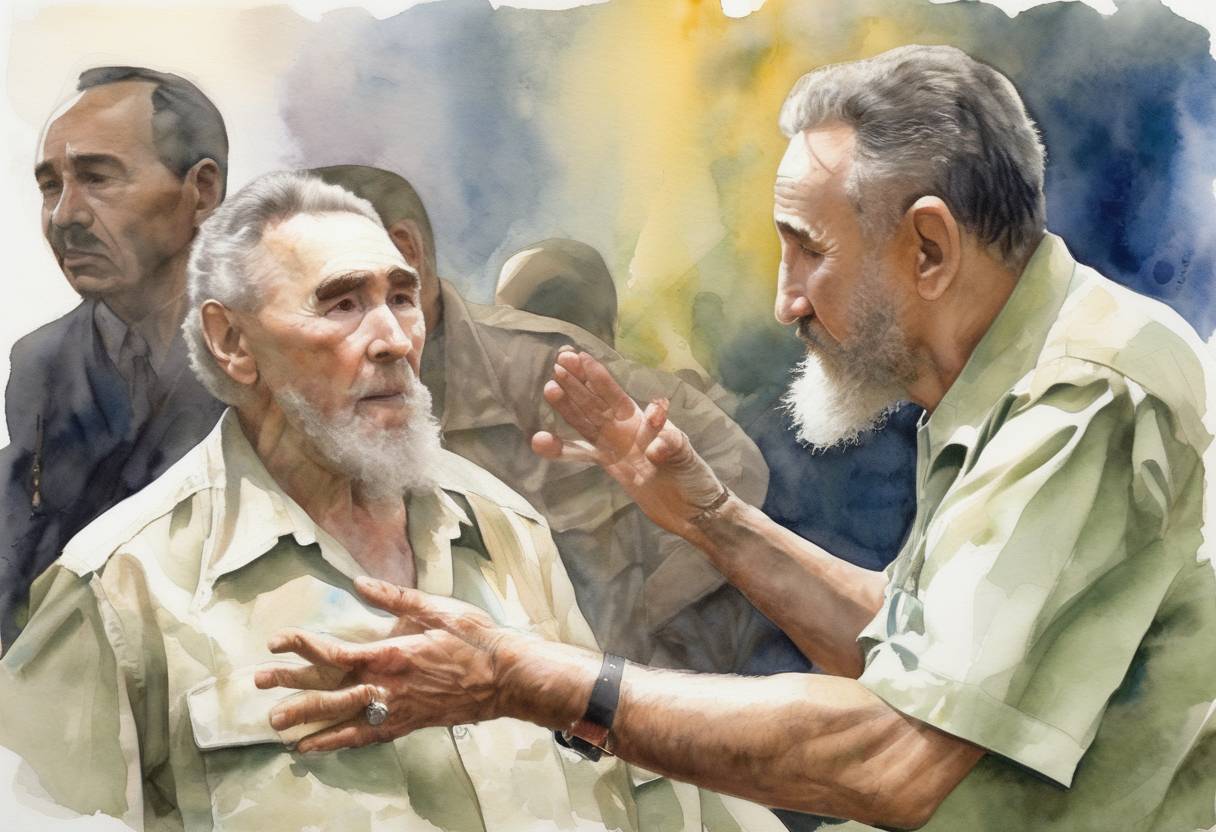
On July 31, 2006, a significant political transition occurred in Cuba when Fidel Castro, the long-standing leader of the country, temporarily handed over power to his younger brother, Raúl Castro. This event marked a pivotal moment in Cuban history, as it was the first time Fidel had relinquished control since the Cuban Revolution of 1959.
Fidel Castro had been a dominant figure in Cuban politics for nearly five decades. His leadership began with the overthrow of the Batista regime in 1959, after which he established a socialist state closely aligned with the Soviet Union during the Cold War. Over the years, Castro became known for his charismatic leadership, anti-imperialist stance, and the implementation of socialist policies in Cuba.
By 2006, Fidel Castro was 79 years old and had been facing various health challenges. His health had been a subject of speculation, but the Cuban government had consistently downplayed any concerns about his ability to govern.
On July 31, 2006, the Cuban government announced that Fidel Castro had undergone intestinal surgery due to gastrointestinal bleeding. As a result, he temporarily transferred his responsibilities as head of state, head of government, and commander-in-chief of the armed forces to his brother, Raúl Castro, who was then the Minister of the Revolutionary Armed Forces.
Raúl Castro, who had been a key figure in the Cuban government and military since the revolution, was seen as a logical successor. He was known for his organizational skills and had played a significant role in the administration of the Cuban state.
The announcement of the transfer of power was met with a mix of surprise and concern both within Cuba and internationally. Many Cubans were anxious about the future of their country, while exiled Cuban communities, particularly in the United States, speculated about potential changes in the Cuban political landscape.
Internationally, governments and analysts closely monitored the situation, considering the implications for Cuba’s foreign relations and internal policies. The United States, in particular, expressed hope for a democratic transition, although the Cuban government maintained its commitment to socialism.
Fidel Castro’s temporary cession of power eventually became permanent. He never returned to his official duties, and in February 2008, he formally resigned as President of Cuba. Raúl Castro was then elected as the new President by the National Assembly, marking the beginning of a new era in Cuban leadership.
Raúl Castro’s presidency saw gradual economic reforms and a slight opening of the Cuban economy, although the political system remained largely unchanged. The transition also set the stage for future leadership changes, culminating in Miguel Díaz-Canel’s election as President in 2018, marking the first time a Castro did not hold the presidency since 1959.
This event is significant as it marked the end of Fidel Castro’s direct rule and the beginning of a new chapter in Cuban history, with implications for both domestic policy and international relations.
Source: www.britannica.com