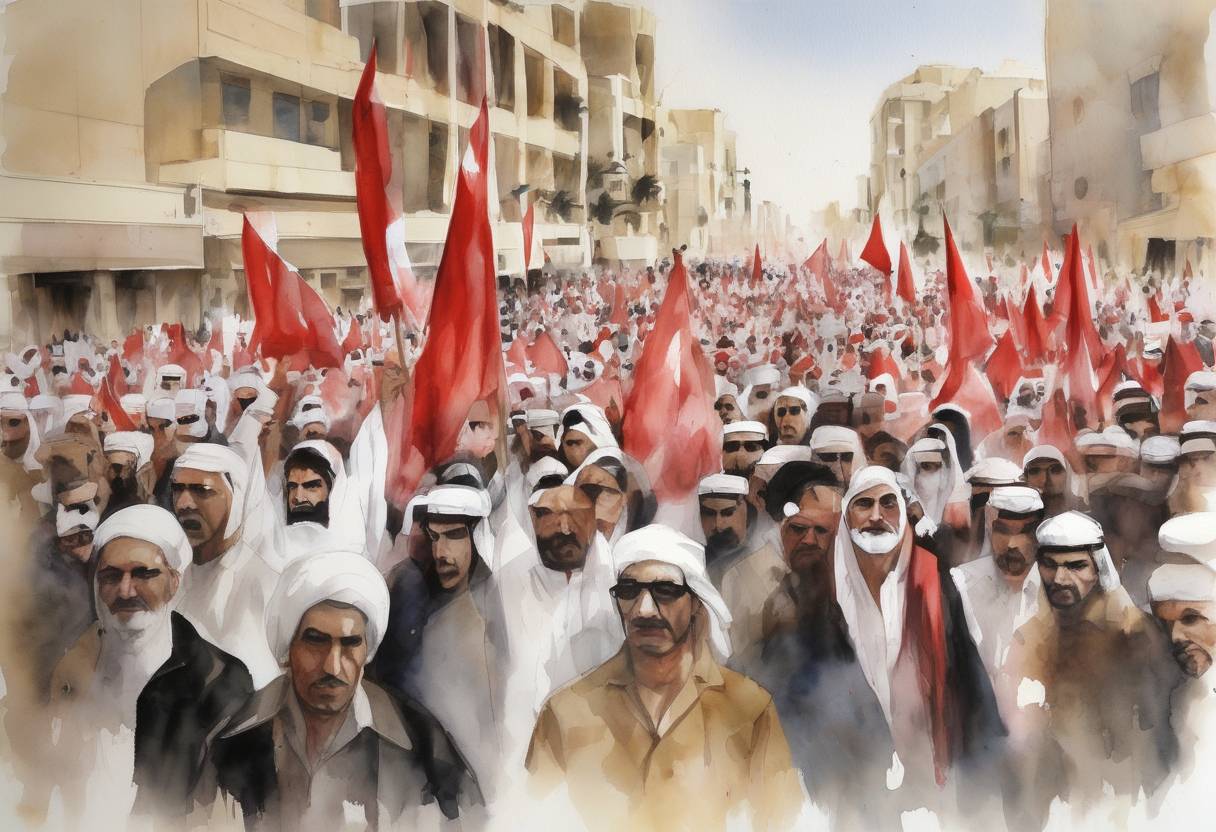
The Bahraini Uprising: February 14, 2011
On February 14, 2011, Bahrain witnessed the beginning of a significant uprising, part of the broader wave of protests known as the Arab Spring. This movement was characterized by widespread demonstrations across the Arab world, where citizens demanded political reforms, greater freedoms, and an end to autocratic rule.
Context Leading Up to the Uprising
Bahrain, a small island nation in the Persian Gulf, had been experiencing underlying tensions for years. The country is predominantly Shia Muslim, but the ruling family, the Al Khalifa dynasty, is Sunni. This sectarian divide had long contributed to political and social unrest, with the Shia majority often feeling marginalized and underrepresented in government.
Key Grievances
- Political Representation: The Shia population sought greater representation in the government and an end to what they perceived as systemic discrimination.
- Constitutional Reforms: Protesters called for a constitutional monarchy, where the elected parliament would have more power over the ruling family.
- Human Rights: There were demands for the release of political prisoners and an end to human rights abuses.
The Events of February 14, 2011
The protests began on February 14, 2011, coinciding with the tenth anniversary of the National Action Charter, a reform initiative that had promised political changes but failed to meet expectations. Inspired by successful uprisings in Tunisia and Egypt, Bahraini activists organized a “Day of Rage” through social media platforms.
Key Events
- Pearl Roundabout: The protests quickly centered around the Pearl Roundabout in Manama, the capital city, which became a symbol of the movement. Thousands of demonstrators gathered, calling for political reforms and an end to the monarchy’s dominance.
- Government Response: The Bahraini government initially responded with force, using tear gas, rubber bullets, and live ammunition to disperse crowds. This heavy-handed approach resulted in several casualties and further fueled the protests.
Aftermath and Consequences
The Bahraini uprising continued for several weeks, with the government eventually declaring a state of emergency. In March 2011, Bahrain requested assistance from neighboring Gulf Cooperation Council (GCC) countries, leading to the deployment of Saudi and Emirati troops to help quell the unrest.
Long-term Impact
- Repression and Reforms: The Bahraini government implemented some reforms, such as granting more powers to the parliament, but these were largely seen as insufficient by the opposition. The crackdown on dissent intensified, with many activists arrested and sentenced.
- International Reactions: The international community had mixed reactions, with some countries criticizing the Bahraini government’s response, while others, particularly GCC members, supported the regime’s efforts to maintain stability.
The Bahraini uprising remains a significant event in the context of the Arab Spring, highlighting the complex interplay of sectarian tensions, demands for democratic reforms, and the challenges of achieving lasting change in the face of entrenched political power.