Russian Constitutional Referendum - July 1, 2020
2020 · Moscow, Russia
Russia held a national vote on constitutional amendments, which included a provision allowing President Vladimir Putin to potentially remain in power until 2036.
May 7, 2012
Vladimir Putin was inaugurated for a third term as President of Russia, amid protests and allegations of electoral fraud.
Moscow, Russia | Russian Government
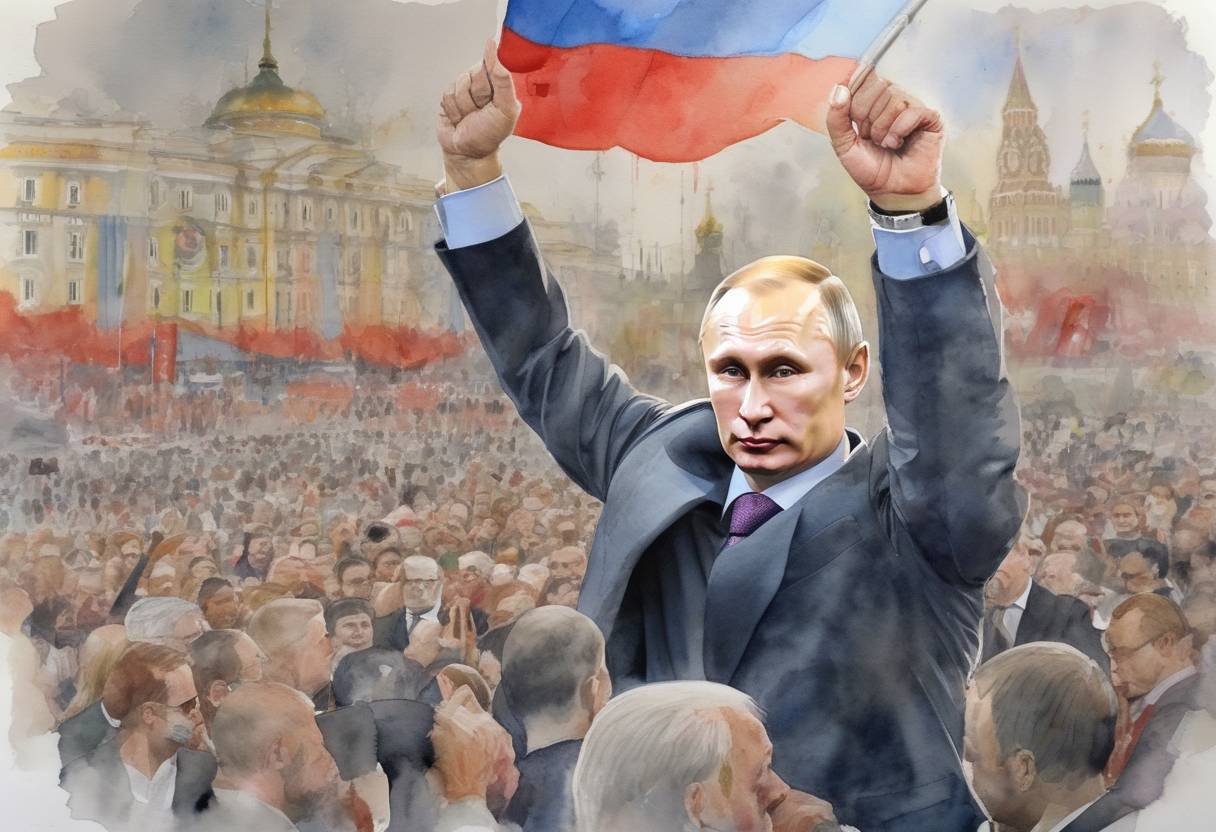
On May 7, 2012, Vladimir Putin was inaugurated for his third term as President of Russia. This event marked a significant moment in Russian politics, characterized by widespread protests and allegations of electoral fraud.
Vladimir Putin first became President of Russia in 2000 and served two consecutive terms until 2008. Due to constitutional term limits, he stepped down and became Prime Minister under President Dmitry Medvedev. During Medvedev’s presidency, a constitutional amendment extended the presidential term from four to six years. This change allowed Putin to run for a third term in 2012.
The presidential election took place on March 4, 2012. Putin, representing the United Russia party, won with approximately 63.6% of the vote. However, the election was marred by allegations of widespread electoral fraud, including ballot stuffing and irregularities in vote counting. These accusations were supported by both domestic and international observers, including the Organization for Security and Co-operation in Europe (OSCE).
In the months leading up to and following the election, Russia experienced significant public protests. The largest demonstrations since the fall of the Soviet Union occurred, with tens of thousands of people taking to the streets in Moscow and other cities. Protesters demanded fair elections and voiced their opposition to Putin’s return to the presidency. The government responded with a heavy police presence and arrests, further fueling public discontent.
Putin’s inauguration ceremony took place in the Grand Kremlin Palace in Moscow. The event was attended by numerous dignitaries and was marked by traditional pomp and ceremony. Despite the grandeur of the occasion, the atmosphere outside was tense, with continued protests and a strong security presence.
Putin’s third term was characterized by a consolidation of power and a more assertive foreign policy. Domestically, the government enacted laws to restrict protests and limit the activities of non-governmental organizations, which were seen as measures to suppress dissent.
Internationally, Putin’s return to the presidency marked a shift towards a more confrontational stance with the West, culminating in events such as the annexation of Crimea in 2014 and increased involvement in the Syrian Civil War.
The 2012 inauguration underscored the deep divisions within Russian society and set the stage for the political landscape in Russia over the following years. It highlighted issues of governance, democracy, and civil liberties that continue to resonate in Russian politics today.
Source: www.bbc.com