Attack on the U.S. Embassy Annex in Beirut - September 20, 1984
1984 · Beirut, Lebanon
A suicide bomber in a truck attacked the U.S. Embassy annex in Beirut, Lebanon, killing 24 people, including two Americans.
December 15, 1981
A car bomb exploded in the northern suburb of Ras Beirut, Lebanon, killing 61 people and injuring 110 in a brutal attack during the Lebanese Civil War.
Beirut, Lebanon | unspecified
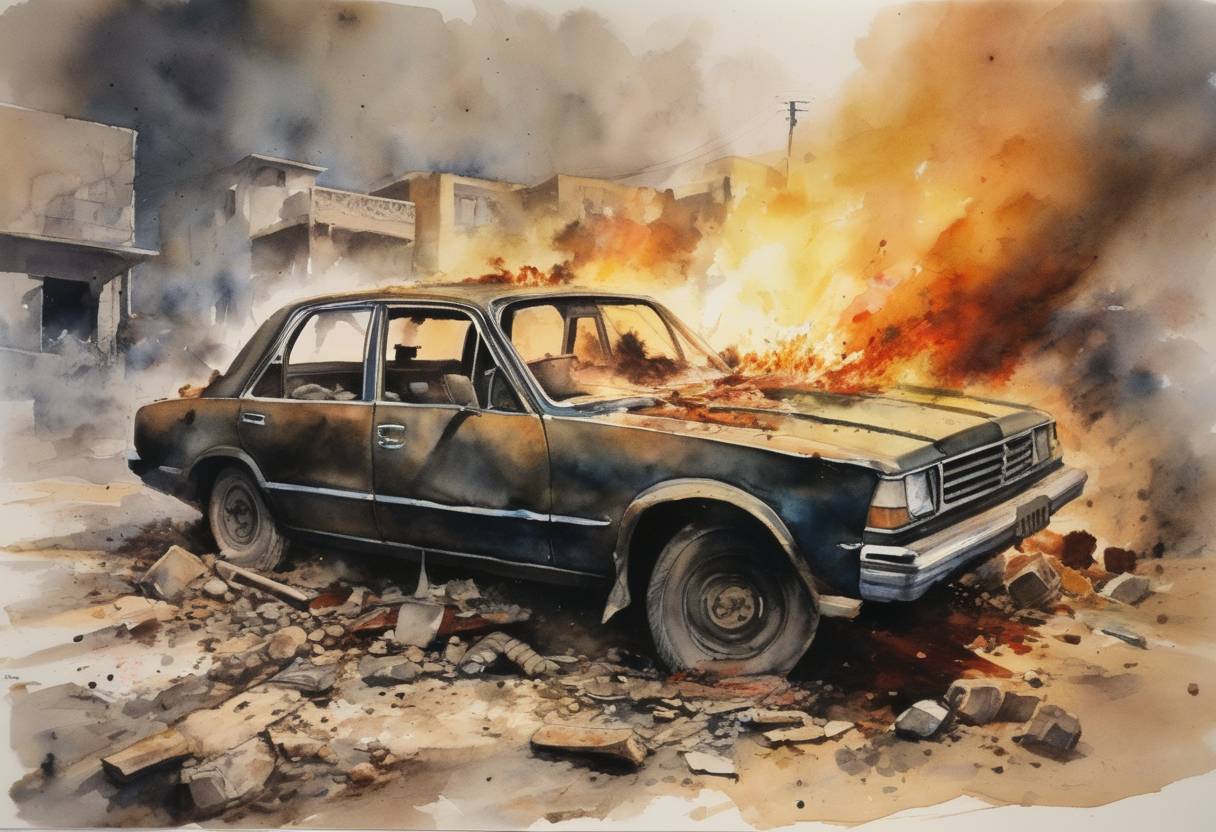
On December 15, 1981, a devastating car bomb exploded in the northern suburb of Ras Beirut, Lebanon. This brutal attack resulted in the loss of 61 lives and left 110 individuals injured. The event occurred in the context of the Lebanese Civil War, a multifaceted conflict that lasted from 1975 until 1990 and involved numerous internal factions and interventions by regional and international powers.
The Lebanese Civil War was rooted in a complex interplay of sectarian tension, political disputes, and regional influences. Lebanon’s delicate balance between Christian and Muslim populations, along with its strategic position in the Middle East, made it a focal point for geopolitical struggles. The early 1980s marked an escalation in sectarian violence and foreign interventions, further destabilizing the country.
During this period, Beirut was often divided along sectarian lines, with both western and eastern parts experiencing frequent bombings, shelling, and armed confrontations between various militias. The Ras Beirut area, known for its cultural diversity and dense population, became a target in the overarching conflict, aimed at instilling fear and exerting political pressure.
The explosion on December 15 was one of the deadliest that year. The car bomb was strategically placed to maximize human casualties, reflecting a grim tactic used frequently during the Lebanese Civil War. The attack not only caused immediate loss of life and injuries but also led to extensive property damage, deepening the humanitarian crisis in the region.
The impact of the attack resonated deeply, exacerbating tensions within the war-torn city and provoking international condemnation. As with many similar attacks during the war, this bombing contributed to the cycle of violence, with retaliatory attacks often following. While no group officially claimed responsibility for the bombing, it was widely understood to fit the pattern of tit-for-tat assaults conducted by various factions during the war.
In the broader scope of the Lebanese Civil War, such attacks underscored the complexities and volatility of Lebanon’s political landscape. They highlighted the urgent need for peace and reconciliation in a society fractured by protracted conflict.
Events like the Ras Beirut car bombing serve as stark reminders of the human toll of the Lebanese Civil War. They emphasize the importance of addressing the root causes of sectarian violence and the necessity for dialogue and peacebuilding efforts in post-conflict recovery. The attack remains a significant historical event, encapsulating the severe challenges faced by Lebanon during this tumultuous period.
Source: www.nytimes.com