Super Bowl XLVIII: Seattle Seahawks vs. Denver Broncos
2014 · East Rutherford, United States
The Seattle Seahawks won their first Super Bowl, defeating the Denver Broncos 43-8 in Super Bowl XLVIII.
August 28, 2016
Colin Kaepernick, quarterback for the San Francisco 49ers, begins kneeling during the national anthem before an NFL preseason game to protest racial injustice and police brutality in the United States.
San Diego, United States | National Football League
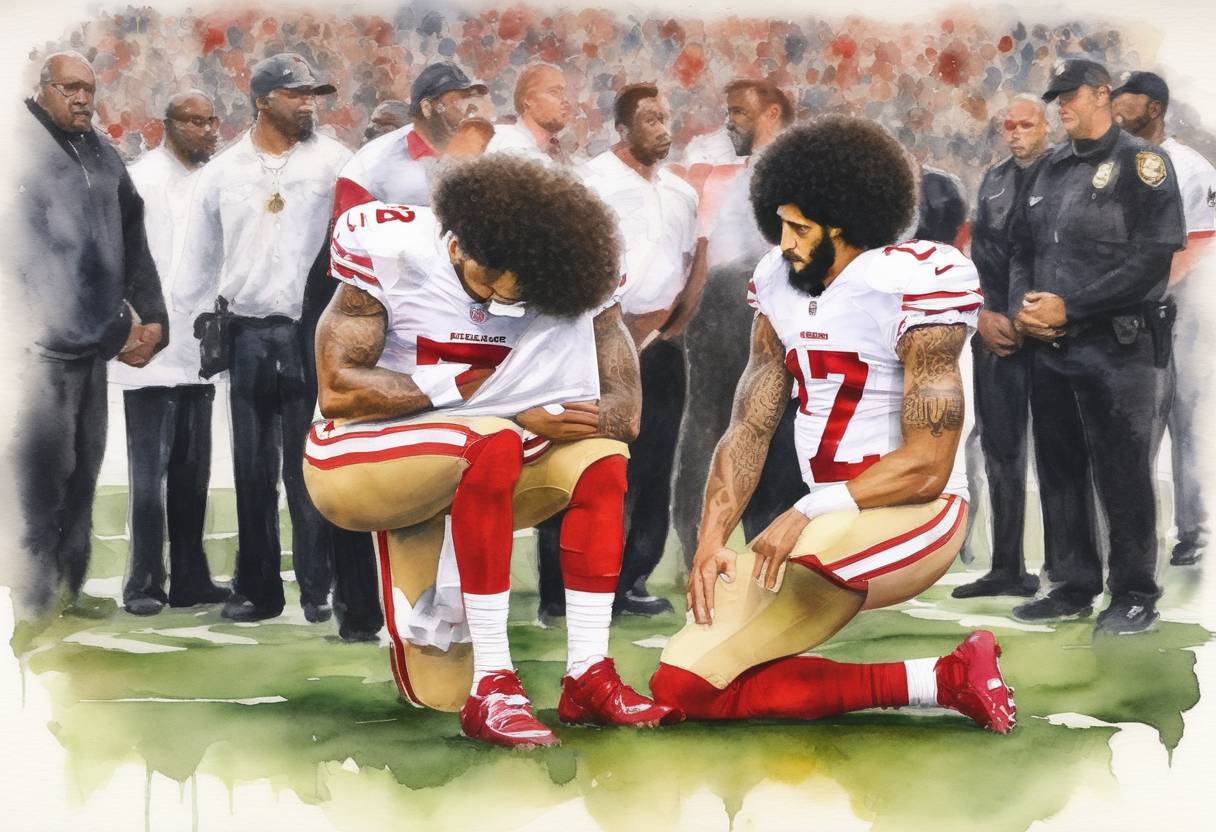
On August 28, 2016, San Francisco 49ers quarterback Colin Kaepernick continued his protest against racial injustice and police brutality by kneeling during the national anthem before an NFL preseason game against the San Diego Chargers. This act of protest was one of the pivotal moments in a movement that highlighted issues of systemic racism in the United States.
Colin Kaepernick, known for his athletic prowess and leadership on the field, had silently sat during the national anthem in a previous game. However, it was his decision to kneel on this date that drew significant national attention. This choice of protest was deliberate, as kneeling was seen as a respectful gesture that still conveyed dissent—Kaepernick consulted with Nate Boyer, a former Green Beret and NFL player, who suggested kneeling over sitting as a more respectful way to protest.
San Diego is a city with a substantial military presence and the game featured a “Salute to the Military” event, which amplified the visibility of Kaepernick’s protest. His action during the anthem was not an isolated gesture but part of a broader statement against the racial injustices and incidents of police violence prevalent in America.
Kaepernick explained that he could not “show pride in a flag for a country that oppresses black people and people of color.” His protest was specifically aimed at drawing attention to the lack of accountability for police officers involved in shootings of unarmed black individuals.
The response to Kaepernick’s protest was polarized. Supporters praised him for using his platform to advocate for social justice, while critics argued that his method was disrespectful to the military and the nation’s symbols. The protest quickly gained traction and sparked a national debate over the role of athletes in political and social issues.
Kaepernick’s actions inspired other athletes across various sports to engage in similar protests during the national anthem, bringing sustained attention to the cause of racial equality and police reform. However, the backlash also led to significant personal and professional ramifications for Kaepernick, including his eventual exit from the NFL, as he was not signed by any team following his release from the 49ers after the 2016 season.
Kaepernick’s kneeling became a powerful symbol of protest and substantive discussion around freedom of expression, the responsibilities of athletes as public figures, and the ongoing struggle for social justice and racial equality in the United States. This act is not only remembered for its immediacy but also for its enduring impact on sports and society, prompting reforms, dialogues, and continued advocacy efforts in the years that followed.
Source: www.nfl.com