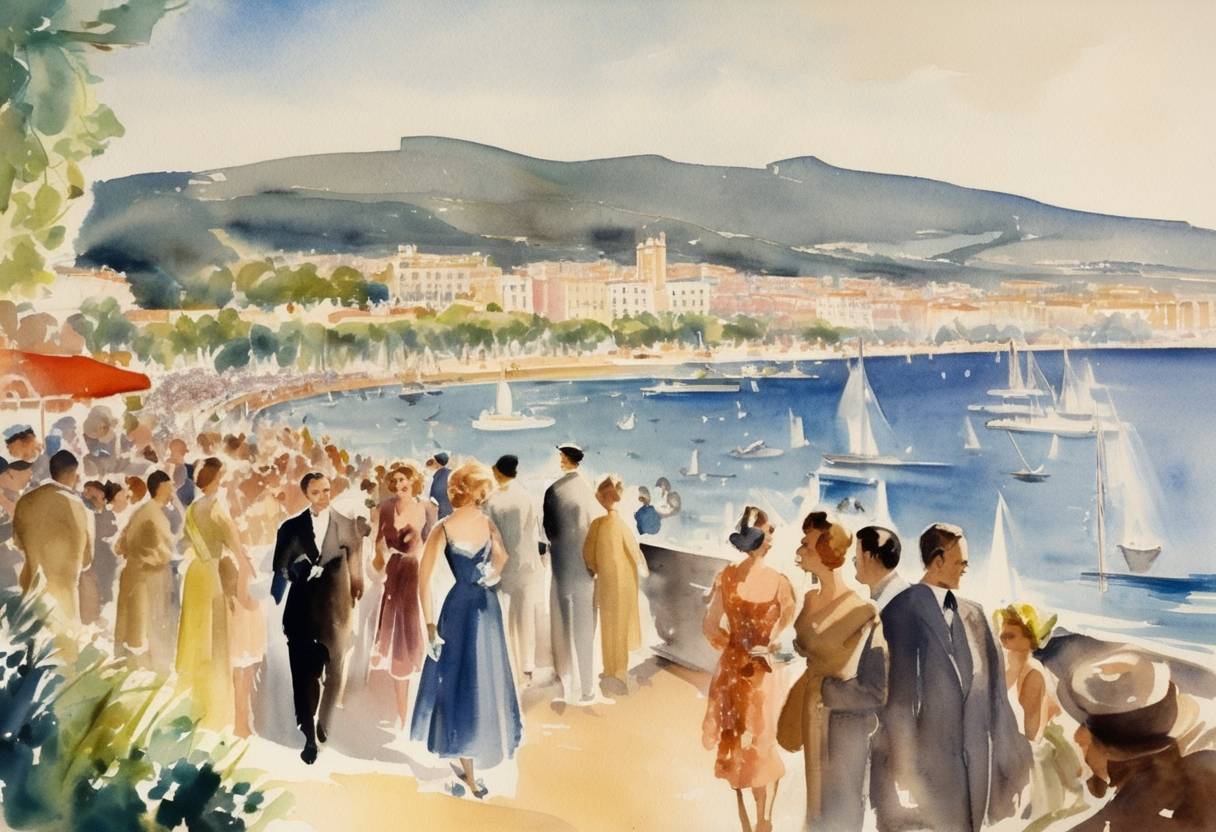
The Inaugural Cannes Film Festival: September 20, 1946
The Cannes Film Festival made its official debut on September 20, 1946, in the scenic coastal city of Cannes, France. This marked the beginning of a celebrated history for one of the world’s most prestigious film events. Originally scheduled to launch in 1939, the festival was postponed due to the onset of World War II. The 1946 event was an opportunity to revive the cultural landscape of post-war Europe and celebrate the art of cinema.
Historical Context
Cancellation and Revival: The initial plans for the first Cannes Film Festival were set for September 1939, but the outbreak of World War II just days before the festival’s opening led to its abandonment. France, immersed in war efforts, had to delay this cultural venture until peace was restored.
Post-War Renaissance: By 1946, Europe was emerging from the devastation of war, seeking both economic recovery and cultural rejuvenation. The festival’s revival was part of a broader movement to reinforce cultural ties and showcase cinematic achievements from around the globe.
Opening Ceremony and Highlights
Global Participation: The inaugural festival attracted entries from numerous countries, highlighting a rich array of films from the United States, France, the Soviet Union, Italy, and beyond.
Notable Films and Winners: The festival did not have a formal competition in its first edition; thus, multiple films were awarded the top prize, the Grand Prix du Festival International du Film. These included classics like Jean Cocteau’s “Beauty and the Beast” (La Belle et la Bête) and “The Lost Weekend” from Billy Wilder.
Significant Figures: Prominent filmmakers and actors of the time attended, enhancing the festival’s prestige. The presence of notable personalities helped to cement Cannes as a glamorous and influential cinematic event.
Legacy and Evolution
Cannes’ Prestige: The festival’s successful launch in 1946 set the stage for what would become an annual celebration of film, renowned for its stringent selection process and prestigious awards.
Cultural Impact: Over the years, Cannes has become a platform for innovative filmmakers and a hotspot for major cinema deals and premieres. Its influence spans beyond European borders, making a significant impact on global film culture.
Ongoing Influence: Today, the Cannes Film Festival continues to be a significant event on the cinematic calendar, synonymous with artistic excellence, international collaboration, and the celebration of film as a powerful medium of storytelling.
The 1946 Cannes Film Festival was not only a triumphant return to cultural craftsmanship after the war but also a lasting testament to cinema’s power to bridge nations and inspire audiences worldwide.