The Capture of Dzhokhar Tsarnaev: April 19, 2013
2013 · Watertown, United States
The manhunt for the Boston Marathon bombing suspects ended with the capture of Dzhokhar Tsarnaev in Watertown, Massachusetts.
December 25, 2020
An explosion rocked downtown Nashville, Tennessee, when an RV detonated, causing significant damage but fortunately leading to few injuries as the area had been evacuated thanks to police action after detecting a warning message. The attack investigation involved the FBI and revealed the bomber died in the blast, with possible motives stemming from personal beliefs and mental health issues.
Nashville, United States | FBI
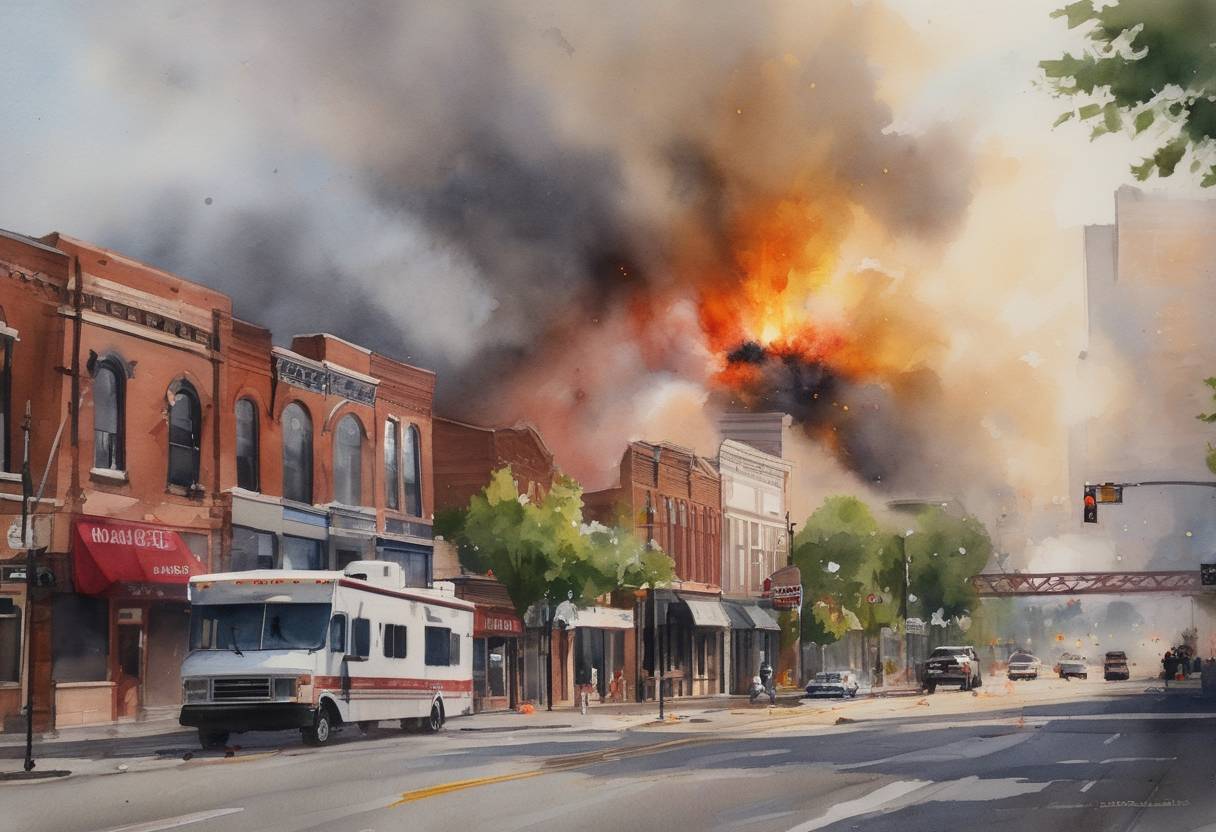
On December 25, 2020, a deliberate explosion occurred in downtown Nashville, Tennessee. Early in the morning, an RV parked on Second Avenue North detonated, causing significant structural damage in the vicinity.
Before the explosion, witnesses reported hearing a series of gunshots in the area, followed by a pre-recorded audio message emanating from the RV, warning of an impending explosion and urging evacuation. These warnings prompted local police to respond to the scene. Their quick action facilitated the evacuation of the surrounding area, which likely minimized casualties.
At approximately 6:30 a.m. CST, the RV exploded, causing extensive damage to multiple buildings along the street. Debris was scattered across the scene, and the power supply was disrupted. Despite the force of the blast and the damage sustained, there were remarkably few injuries reported, largely due to the prompt evacuation by law enforcement officers.
Following the explosion, the FBI led the investigation, focusing on identifying the suspect and understanding the motives behind the bombing. After a prompt investigation, Anthony Quinn Warner, a 63-year-old man, was identified as the perpetrator. DNA evidence confirmed that Warner died in the explosion.
The investigation revealed that Warner had harbored idiosyncratic beliefs, including fears related to 5G technology. It was suggested that his actions might have been influenced by personal grievances and mental health issues. However, no evidence emerged to suggest that the bombing was part of a broader conspiracy.
The blast heavily damaged a centralized AT&T network hub, causing widespread communication disruptions across Tennessee and neighboring states. This impacted emergency services, business operations, and internet connectivity, illustrating the vulnerability of critical infrastructure.
The Nashville Christmas Day bombing underscored the need for vigilance and the importance of effective emergency response protocols. The incident highlighted mental health awareness and the significance of addressing ideological extremism through community and law enforcement collaboration.
This tragic event, occurring on what is typically a day of celebration, reminded the nation and the world of the challenges posed by individual acts of domestic terrorism and the importance of preparedness and proactive intervention.
Source: www.nytimes.com