The First Partial Human Face Transplant: Isabelle Dinoire
2005 · Amiens, France
The first partial human face transplant is performed in Amiens, France, on Isabelle Dinoire, who had been mauled by a dog.
November 28, 2005
The first partial human face transplant in a successful operation is carried out in Amiens, France by a team led by Dr. Bernard Devauchelle and Dr. Jean-Michel Dubernard.
Amiens, France | Centre Hospitalier Universitaire Amiens
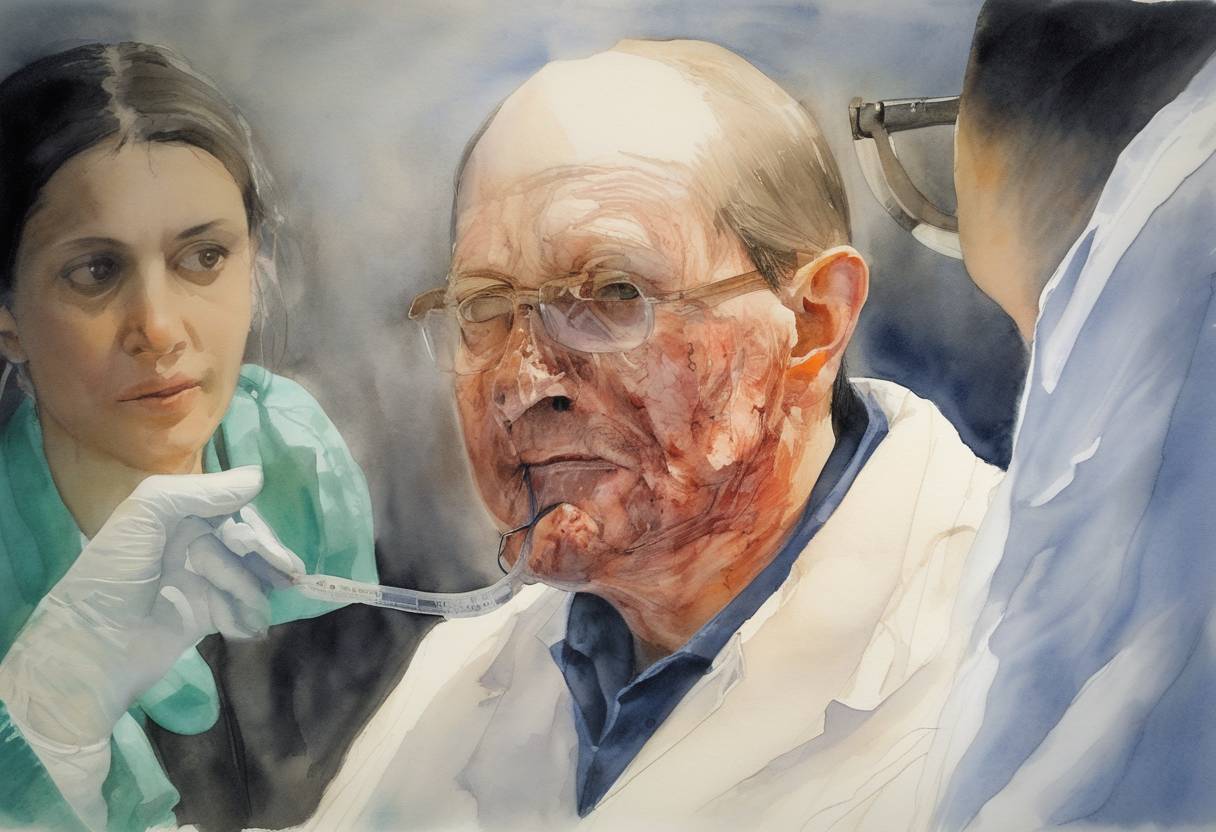
The pioneering operation performed on November 28, 2005, marked a significant milestone in medical science as the first successful partial human face transplant. The procedure involved transplanting a face, which consisted of the nose, lips, and chin, from a brain-dead donor to the recipient, Isabelle Dinoire. Dinoire had been disfigured following a dog attack.
Before this groundbreaking surgery, treatments for severe facial disfigurements involved using skin grafts and reconstructive techniques which had limited success in restoring full functionality and appearance. The partial face transplant aimed to significantly improve quality of life and functionality for recipients.
The success of the operation in Amiens encouraged further advancements in transplantation techniques. It was a milestone that underscored the importance of cross-disciplinary collaboration in medicine and highlighted the evolving capabilities of transplant surgeries to restore not just physical form, but also improve the social and psychological well-being of patients.
Source: www.ncbi.nlm.nih.gov