Death of Dante Alighieri - September 13, 1321
1321 · Ravenna, Italy
Dante Alighieri, the renowned Italian poet known for 'The Divine Comedy', died in Ravenna, Italy. His work had a profound influence on the Italian language and literature.
September 14, 1321
Dante Alighieri, the famous Italian poet, dies. Known especially for 'The Divine Comedy,' Dante's work is a cornerstone in the Italian language and world literature.
Ravenna, Italy | N/A
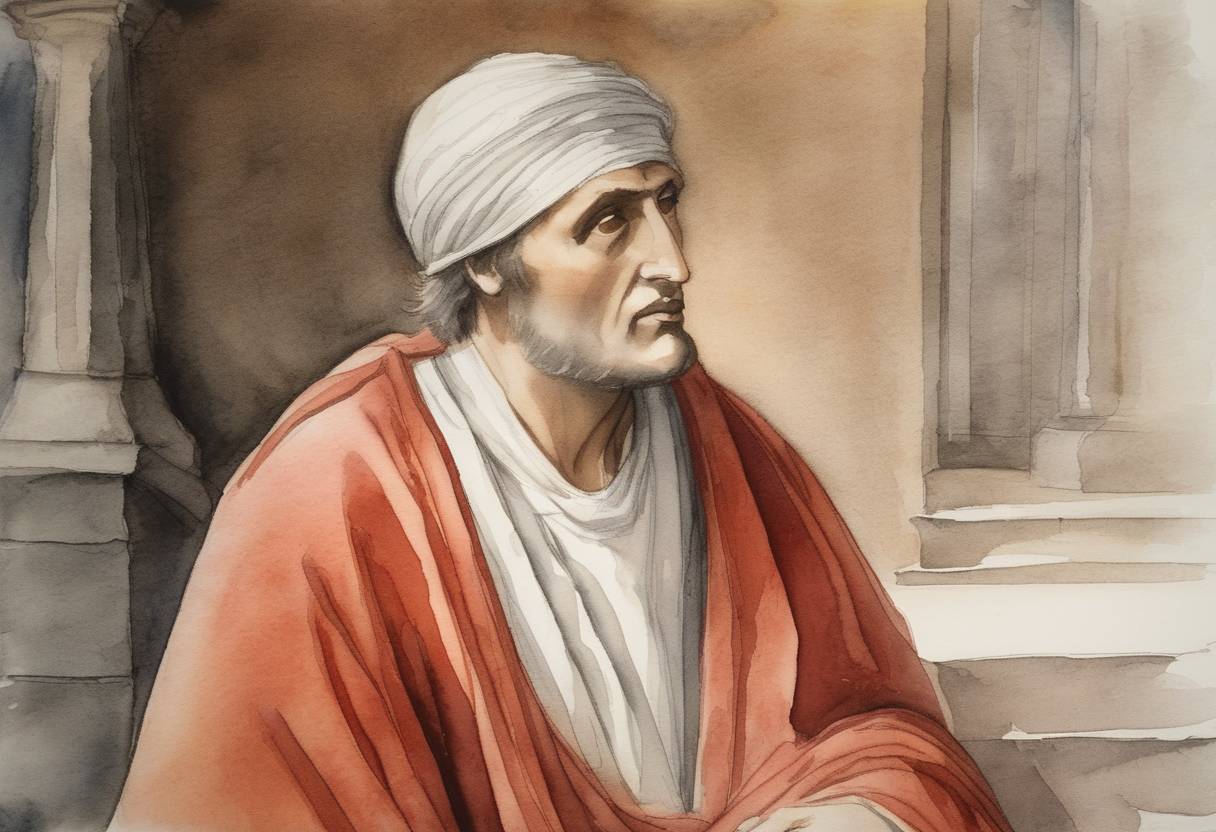
Dante Alighieri, one of the most significant literary figures in history and a pivotal influence on the Italian language, passed away on September 14, 1321, in Ravenna, Italy. Best known for his seminal work, The Divine Comedy, Dante’s contributions have had a lasting impact on literature, theology, and the development of the Renaissance culture.
Dante was born in 1265 in Florence, Italy. His early life was marked by a deep involvement in the political affairs of his city. Exiled in 1302 due to the political turmoil and accusations by the opposing Black Guelphs, Dante never returned to Florence, spending the rest of his life in various cities across Italy, including Verona and finally Ravenna, where he completed The Divine Comedy.
This epic poem, written in the Tuscan dialect, consists of three parts: Inferno, Purgatorio, and Paradiso. It explores the author’s allegorical journey through Hell, Purgatory, and Heaven, serving as a reflection on morality, redemption, and divine justice.
In the years leading up to his death, Dante continued to focus on his literary work. By 1321, he had completed The Divine Comedy, which significantly shifted the literary landscape. He was invited to Ravenna, where he lived under the patronage of Guido Novello da Polenta. During his time there, Dante engaged in diplomatic missions.
Dante’s death on September 14, 1321, is believed to have been caused by malaria, a common ailment in the marshy areas around Ravenna. He was buried at the Church of San Pier Maggiore (later known as the Basilica di San Francesco) in Ravenna.
Dante’s influence transcends his lifetime, as The Divine Comedy remains a cornerstone in Italian and world literature. The work’s use of vernacular Italian was revolutionary, elevating the Tuscan dialect and fostering the development of the Italian language. His intricate depictions of the afterlife have deeply influenced Western thought and art, from the Middle Ages to contemporary culture.
In the years following his death, Dante’s legend and literary significance only grew, eventually leading to his reassessment in Florence, culminating in several failed attempts to repatriate his remains. Today, Dante is celebrated not only as a literary genius but as a symbol of the Italian cultural and national identity.
Source: en.wikipedia.org