Illinois Admitted as the 21st State
1818 · Kaskaskia, United States
Illinois was admitted as the 21st state of the United States.
December 11, 1816
Indiana is admitted as the 19th U.S. state.
Corydon, United States | United States Congress
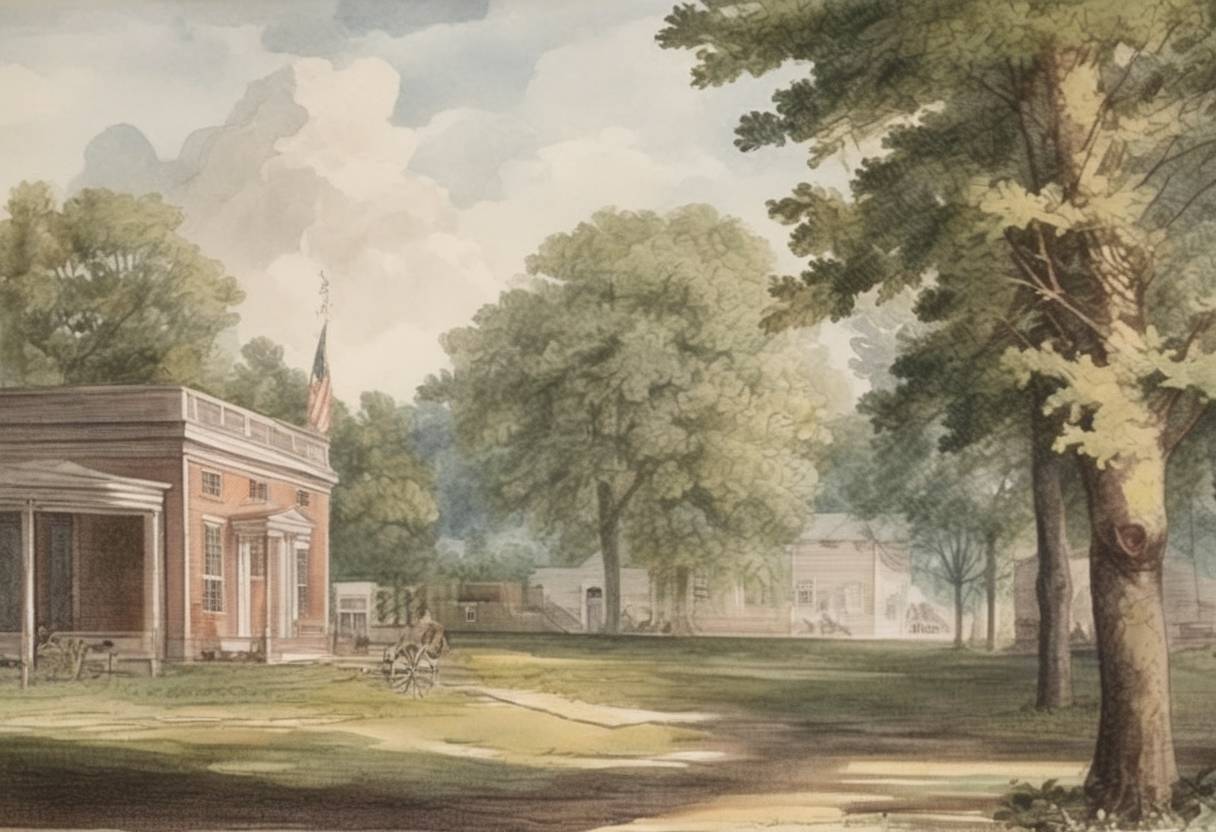
On December 11, 1816, Indiana was admitted to the United States as the 19th state. This significant event marked a pivotal moment in the expansion of the United States during the early 19th century.
Northwest Ordinance of 1787: Indiana’s path to statehood was paved by the Northwest Ordinance, which established a framework for the governance and admission of new states from the Northwest Territory. This ordinance set the precedent for the creation of states from this region, emphasizing the importance of education, civil liberties, and the prohibition of slavery.
Territorial Beginnings: Indiana Territory was formed in 1800, carved out of the larger Northwest Territory. The territory initially included present-day Indiana, Illinois, Wisconsin, and parts of Michigan and Minnesota. Over time, as population increased and settlements expanded, the territory was divided, leading to the formation of new territories and eventually states.
Population Growth: By the early 19th century, Indiana experienced significant population growth, driven by settlers moving westward. This growth was a crucial factor in its eligibility for statehood, as the Northwest Ordinance required a population of at least 60,000 for a territory to apply for statehood.
Constitutional Convention: In June 1816, a constitutional convention was held in Corydon, which was then the territorial capital. Delegates drafted Indiana’s first state constitution, which laid the groundwork for its government and legal system.
Congressional Approval: Following the drafting of the state constitution, Indiana’s application for statehood was submitted to the U.S. Congress. On December 11, 1816, President James Madison signed the congressional resolution admitting Indiana as the 19th state.
Economic Development: Statehood facilitated economic development in Indiana, as it allowed for improved infrastructure, such as roads and canals, which were essential for trade and transportation.
Political Influence: As a new state, Indiana gained representation in Congress, contributing to the political landscape of the growing nation. It played a role in the balance of power between free and slave states, as Indiana was admitted as a free state.
Cultural Impact: The admission of Indiana reflected the broader westward expansion of the United States, embodying the spirit of Manifest Destiny that characterized the era. It also highlighted the diverse cultural influences that settlers brought to the region, shaping Indiana’s unique identity.
Indiana’s admission to the Union was a testament to the dynamic changes occurring in the United States during the early 19th century, as the nation continued to expand and evolve.
Source: en.wikipedia.org