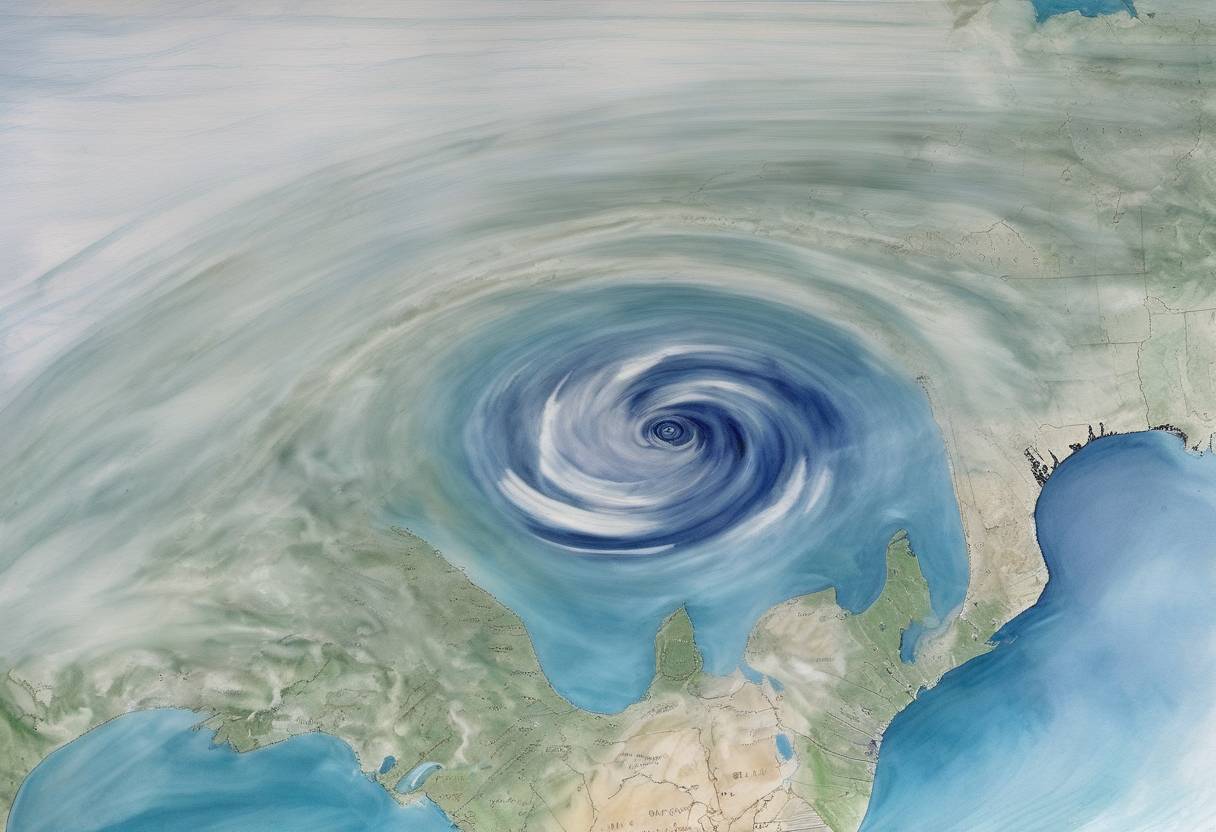
Hurricane Katrina Strengthens to Category 5
On August 28, 2005, Hurricane Katrina intensified into a Category 5 hurricane over the warm waters of the Gulf of Mexico. This escalation marked a critical point in the storm’s development, prompting widespread evacuations along the Gulf Coast of the United States.
Background
Hurricane Katrina initially formed as a tropical depression over the southeastern Bahamas on August 23, 2005. It quickly strengthened into a tropical storm and then a hurricane as it moved across southern Florida, causing initial damage and power outages. After entering the Gulf of Mexico, Katrina encountered favorable conditions for rapid intensification, including warm sea surface temperatures and low wind shear.
Key Events on August 28, 2005
Intensification: On August 28, Katrina reached Category 5 status, the highest classification on the Saffir-Simpson Hurricane Wind Scale, with sustained winds exceeding 175 mph (280 km/h). This made it one of the most powerful hurricanes ever recorded in the Gulf of Mexico.
Evacuations: The threat posed by Katrina’s strength led to mandatory evacuations in several areas, including New Orleans, Louisiana, and coastal regions of Mississippi and Alabama. The city of New Orleans, much of which lies below sea level, was particularly vulnerable due to its levee system.
Government Response: Federal, state, and local governments began mobilizing resources in anticipation of the storm’s landfall. The Federal Emergency Management Agency (FEMA) and the National Guard were put on alert, and emergency declarations were issued to facilitate disaster response efforts.
Broader Historical Significance
The intensification of Hurricane Katrina on August 28 set the stage for one of the most devastating natural disasters in U.S. history. When Katrina made landfall on August 29, it caused catastrophic damage, particularly in New Orleans, where levee failures led to widespread flooding. The storm resulted in over 1,800 deaths and caused approximately $125 billion in damage, making it one of the costliest hurricanes ever.
The aftermath of Katrina highlighted significant issues in disaster preparedness and response, leading to widespread criticism of government agencies and prompting reforms in emergency management policies. The event also underscored the vulnerability of coastal regions to powerful hurricanes, influencing future urban planning and climate resilience strategies.
In summary, August 28, 2005, was a pivotal day in the history of Hurricane Katrina, as it marked the storm’s peak intensity and set in motion a series of events that would have lasting impacts on the Gulf Coast and the nation as a whole.