1934 · New York City, United States
Bruno Hauptmann was arrested in New York City, accused of kidnapping and murdering Charles Lindbergh Jr., the son of famous aviator Charles Lindbergh, in a case that captivated the nation.
May 12, 1932
The body of Charles Lindbergh Jr., the kidnapped son of Charles Lindbergh, is found in Hopewell, New Jersey.
Hopewell, United States | New Jersey State Police
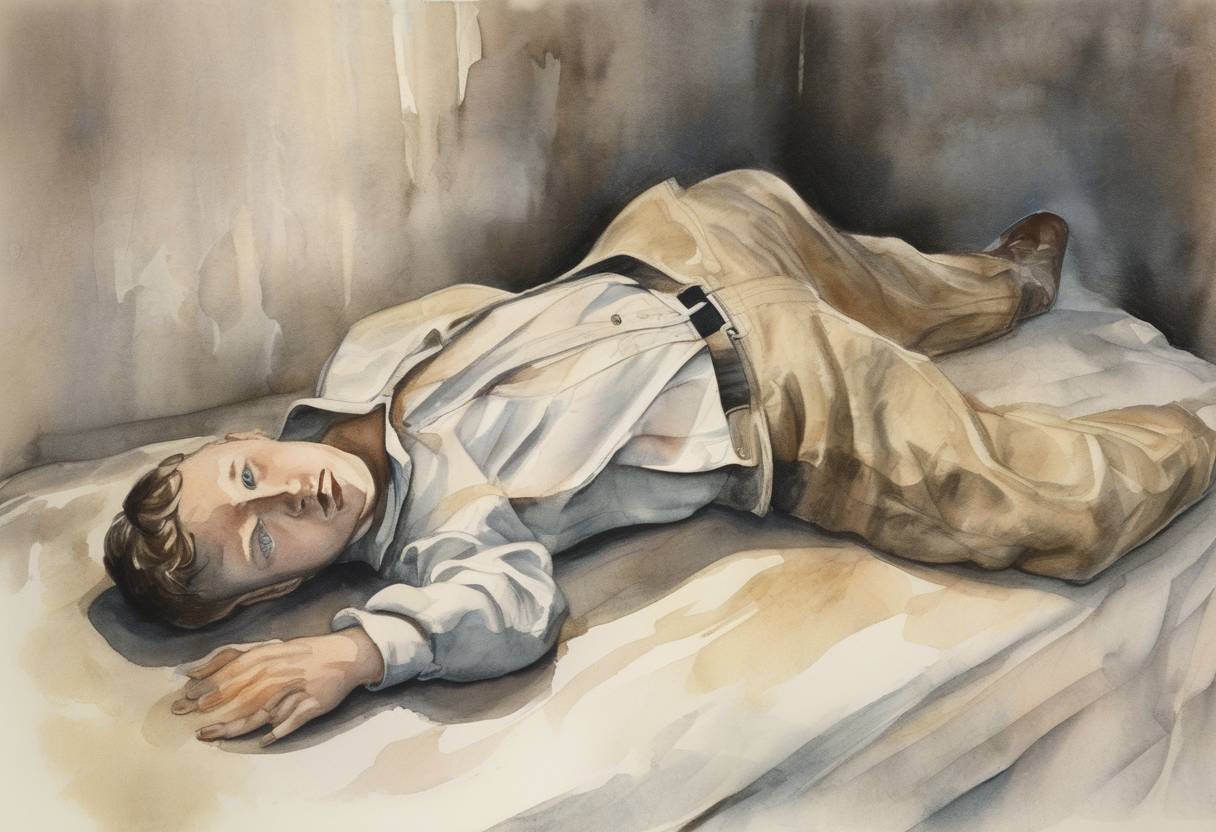
On May 12, 1932, a tragic chapter in American history unfolded with the discovery of the body of Charles Lindbergh Jr., the kidnapped son of the famous aviator Charles Lindbergh and his wife, Anne Morrow Lindbergh. This event marked a grim turning point in what had been one of the most sensational criminal cases of the early 20th century.
Charles Lindbergh Jr., affectionately known as “Little Lindy,” was abducted from his family’s home in Hopewell, New Jersey, on the night of March 1, 1932. The kidnapping of the 20-month-old child quickly captured national attention due to his father’s fame. Charles Lindbergh had become an international hero in 1927 after completing the first solo nonstop transatlantic flight from New York to Paris.
The abduction led to a massive investigation and a nationwide search. A ransom note demanding $50,000 was found at the scene, and despite the Lindberghs’ efforts to comply with the kidnappers’ demands, the child was not returned.
On May 12, 1932, the decomposed body of Charles Lindbergh Jr. was discovered by a truck driver named William Allen in a wooded area near Mount Rose, New Jersey, just a few miles from the Lindbergh home. The body was identified by the child’s clothing and a distinctive overlapping toe.
The discovery confirmed the worst fears of the Lindbergh family and the nation, ending hopes that the child might still be alive. The cause of death was determined to be a blow to the head, and it was believed that the child had died on the night of the kidnapping.
The case, often referred to as “The Crime of the Century,” led to significant changes in American law and society:
The Lindbergh Law: In response to the kidnapping, Congress passed the Federal Kidnapping Act, also known as the Lindbergh Law, in 1932. This law made kidnapping across state lines a federal offense, allowing for greater federal involvement in such cases.
The Trial: In 1934, Bruno Richard Hauptmann, a German immigrant, was arrested and charged with the kidnapping and murder of Charles Lindbergh Jr. The trial, held in 1935, was a media sensation. Hauptmann was found guilty and executed in 1936, though questions about the fairness of his trial and the evidence against him have persisted.
Cultural Impact: The case highlighted the vulnerabilities of even the most prominent families and led to increased public awareness and fear of kidnapping. It also influenced the development of forensic science and law enforcement practices.
The discovery of Charles Lindbergh Jr.’s body remains a poignant reminder of the era’s challenges and the profound impact of crime on society.
Source: en.wikipedia.org