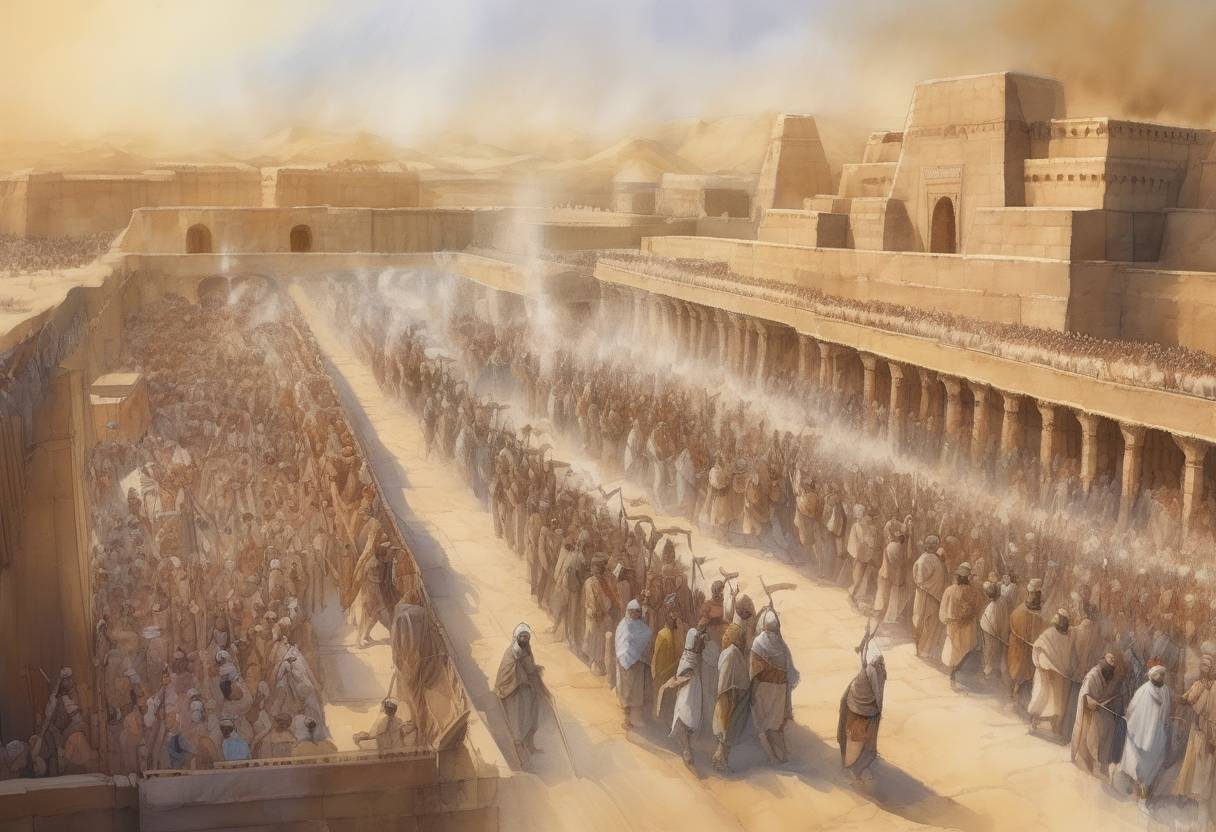
Cyrus the Great Enters Babylon: October 17, 539 BCE
On October 17, 539 BCE, Cyrus the Great, the founder of the Achaemenid Empire, entered the city of Babylon, marking a significant turning point in ancient history. This event not only signaled the end of the Neo-Babylonian Empire but also demonstrated Cyrus’s reputation as a benevolent conqueror and a shrewd leader.
Context and Prelude
The Neo-Babylonian Empire, under the rule of Nabonidus, had been experiencing internal strife and dissatisfaction among its populace. Nabonidus’s religious policies, which favored the moon god Sin over the traditional Babylonian deity Marduk, alienated many of his subjects, including the powerful priesthood of Babylon.
Cyrus, who had already established control over the Median Empire and expanded his territory significantly, saw an opportunity to extend his influence into Mesopotamia. His approach to conquest was strategic and diplomatic, often incorporating local customs and leaders into his administration.
The Conquest of Babylon
Cyrus’s campaign against Babylon was marked by a swift and strategic military maneuver. The decisive battle occurred at Opis, near the Tigris River, where Cyrus’s forces defeated the Babylonian army. Following this victory, Cyrus’s general, Gobryas, led the Persian army into Babylon without significant resistance.
The entry into Babylon was notably peaceful. According to the Cyrus Cylinder, an ancient clay artifact that records Cyrus’s achievements, the citizens of Babylon welcomed him as a liberator. This peaceful transition was facilitated by Cyrus’s respect for Babylonian culture and religion, as he restored the worship of Marduk and allowed exiled peoples, including the Jews, to return to their homelands.
Aftermath and Significance
The fall of Babylon had profound implications for the ancient world:
- End of the Neo-Babylonian Empire: The conquest marked the end of Babylonian independence and the absorption of its territories into the Achaemenid Empire.
- Cyrus’s Legacy: Cyrus’s policies of tolerance and respect for local customs set a precedent for future rulers. His approach to governance earned him a reputation as a just and enlightened ruler.
- Cultural and Religious Impact: The liberation of the Jewish people from Babylonian captivity and their subsequent return to Jerusalem is a significant event in Jewish history, often attributed to Cyrus’s decree.
Cyrus the Great’s entry into Babylon is a testament to his military acumen and diplomatic skills. It laid the foundation for the Achaemenid Empire’s expansion and influenced the governance of empires for centuries to come.