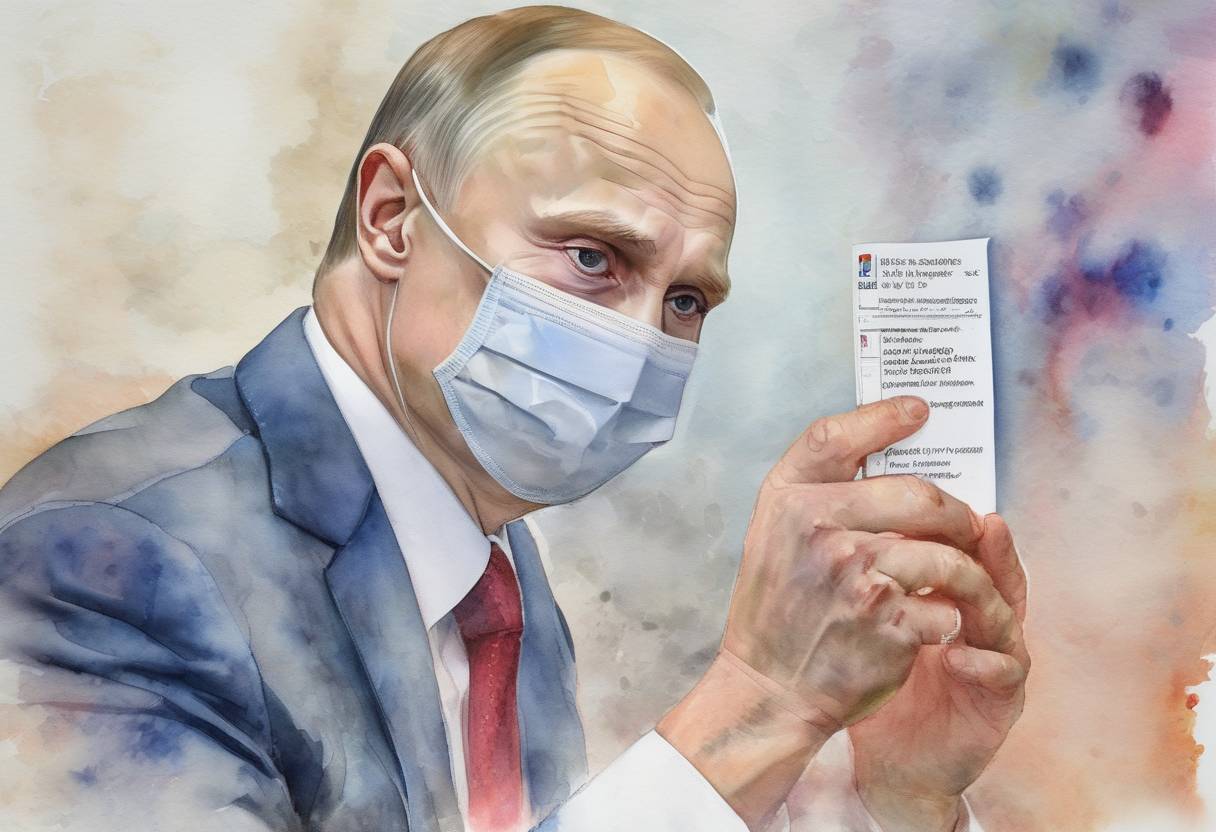
Approval of Sputnik V: The World’s First COVID-19 Vaccine
On August 11, 2020, Russian President Vladimir Putin announced the approval of the world’s first COVID-19 vaccine, named Sputnik V. This announcement marked a significant milestone in the global race to develop a vaccine against the coronavirus, which had caused a worldwide pandemic.
Context and Development
- COVID-19 Pandemic: By mid-2020, the COVID-19 pandemic had resulted in millions of infections and deaths globally, prompting an urgent need for a vaccine.
- Russian Development: The vaccine was developed by the Gamaleya Research Institute in Moscow, in collaboration with the Russian Direct Investment Fund (RDIF). It was named Sputnik V, drawing a parallel to the Soviet Union’s launch of the first artificial satellite, Sputnik, in 1957, symbolizing a breakthrough in scientific achievement.
Announcement and Details
- Putin’s Statement: President Putin declared that the vaccine had been approved by Russian health authorities, stating that it had passed all necessary checks. He also mentioned that one of his daughters had been vaccinated with Sputnik V.
- Limited Testing: At the time of the announcement, Sputnik V had only undergone Phase 1 and Phase 2 clinical trials, involving a small number of participants. The vaccine had not yet completed Phase 3 trials, which are critical for assessing safety and efficacy in a larger population.
Concerns and Reactions
- Safety and Efficacy Concerns: The approval was met with skepticism and concern from the international scientific community due to the limited data available from early-stage trials. Experts emphasized the importance of completing Phase 3 trials to ensure the vaccine’s safety and effectiveness.
- Global Response: While some countries expressed interest in the vaccine, others, including the World Health Organization (WHO), urged caution and stressed the need for rigorous testing.
Aftermath and Impact
- Further Trials: Following the announcement, Russia continued with Phase 3 trials to gather more data on the vaccine’s performance. These trials involved tens of thousands of participants across several countries.
- Wider Distribution: Despite initial skepticism, Sputnik V was eventually distributed to various countries, particularly in regions where vaccine access was limited. It became one of several vaccines used globally to combat COVID-19.
Broader Significance
The approval of Sputnik V highlighted the geopolitical dimensions of vaccine development and distribution, as countries raced to secure and produce vaccines. It also underscored the challenges of balancing speed and safety in the face of a global health crisis.
In summary, the announcement of Sputnik V’s approval on August 11, 2020, was a pivotal moment in the fight against COVID-19, reflecting both the urgency of the pandemic response and the complexities of vaccine development.