The British Occupation of Hong Kong Island: January 20, 1841
1841 · Hong Kong, China
Hong Kong Island was occupied by the British during the First Opium War, leading to its eventual cession to Britain and becoming a significant colonial outpost.
January 7, 1841
The British Empire annexed Hong Kong Island from China following the First Opium War. The cession was formalized in 1842 by the Treaty of Nanking.
Hong Kong, China | British Empire
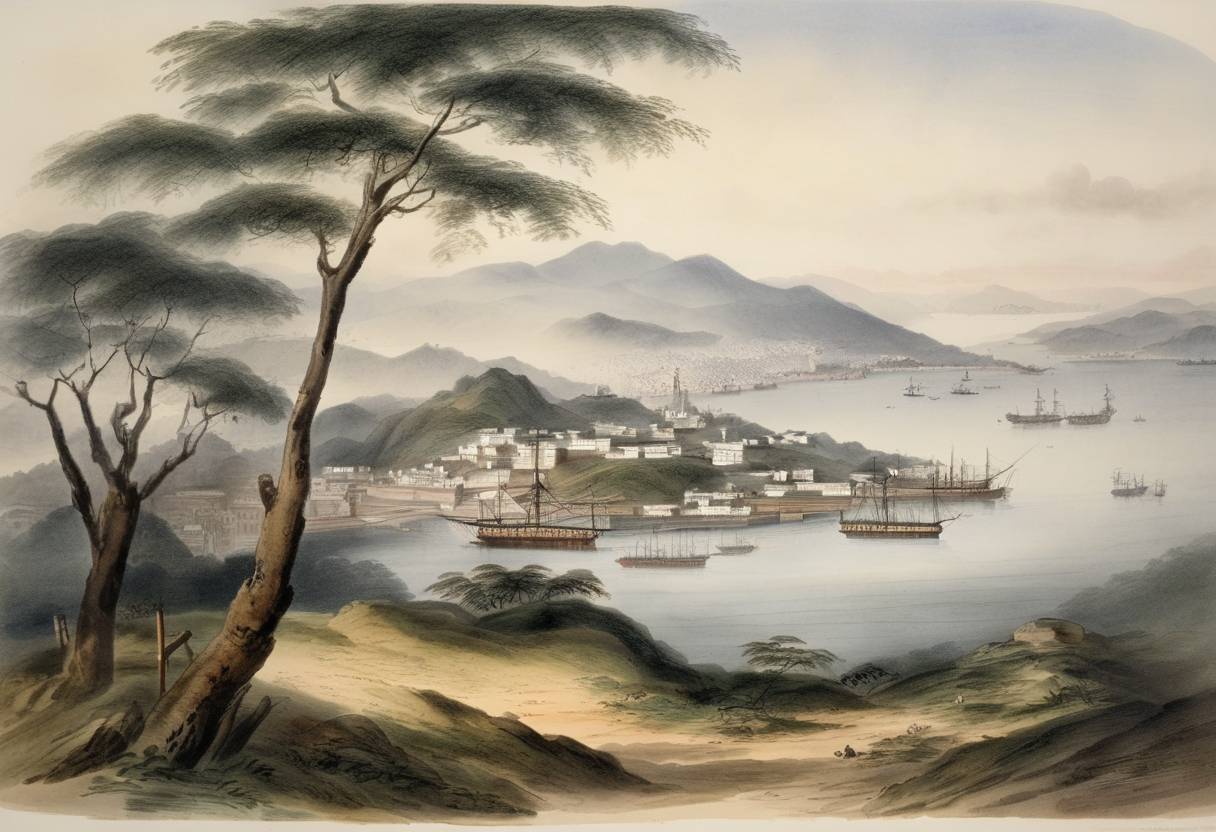
The annexation of Hong Kong Island is intertwined with the First Opium War (1839–1842) between the British Empire and the Qing Dynasty of China. The conflict primarily arose due to disputes over trade and diplomatic relations, notably Britain’s illegal trade of opium in China, which the Chinese authorities sought to end. The war highlighted the power imbalance between the British naval forces and the Chinese military.
On January 7, 1841, under the terms of the Convention of Chuenpee, British forces took possession of Hong Kong Island. This move was a direct consequence of military actions during the First Opium War. The Convention was an informal agreement reached during negotiations between British Plenipotentiary Charles Elliot and Chinese Imperial Commissioner Qishan. Although the Convention of Chuenpee never received official ratification, it marked the de facto transfer of Hong Kong Island to Britain.
The annexation was later formalized by the Treaty of Nanking, signed on August 29, 1842. This treaty was the first of what are known as the “Unequal Treaties” that China was forced to sign. Among its terms, China agreed to cede Hong Kong Island in perpetuity to Britain, along with paying a large indemnity and opening several ports to British trade and residence.
The cession of Hong Kong marked a significant point in the expansion of the British Empire in Asia and the decline of Qing sovereignty. Hong Kong would grow into a significant global financial hub, maintaining British control until the handover to China in 1997. This event also contributed to a broader understanding of the impact of colonialism and the shifting balance of power in favor of Western imperial forces during the 19th century.
Source: www.britannica.com