Brexit Deadline of March 30, 2019
2019 · London, United Kingdom
The United Kingdom's original Brexit deadline passed without the country leaving the European Union, leading to further political negotiations and extensions.
January 11, 2023
British Prime Minister Rishi Sunak announced new measures to curb strike action by bringing a new bill to parliament.
London, United Kingdom | UK government
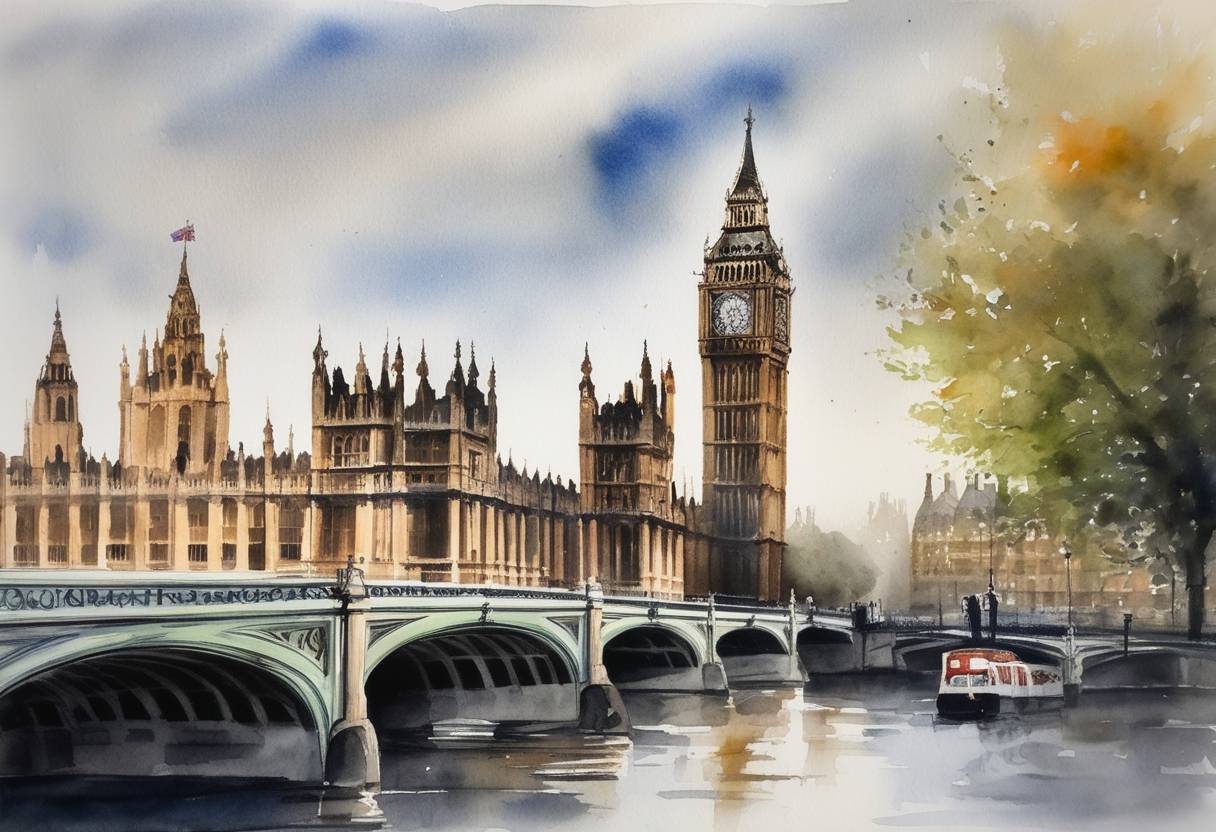
On January 11, 2023, British Prime Minister Rishi Sunak announced a significant legislative initiative aimed at curbing strike actions. The proposed bill was introduced in Parliament amidst ongoing labor unrest and strikes across various sectors in the United Kingdom.
The United Kingdom had been experiencing a wave of industrial actions, particularly in the transportation and health sectors. Strains between the government, trade unions, and public service workers were escalating due to disagreements over pay, working conditions, and government austerity measures in response to economic pressures.
Minimum Service Levels: The bill proposed mandatory minimum service levels in essential sectors such as healthcare, transportation, and emergency services during strikes. This provision aimed to ensure that critical operations continue despite industrial action.
Increased Notice: The legislation required unions to provide a longer notice period before industrial action, allowing more time for negotiations and mitigation strategies.
Ballot Thresholds: It sought to increase the threshold for strike ballots, making it more challenging for unions to secure a mandate for strikes. This included a higher percentage of union member turnout and approval in voting for strike action.
Legal Penalties: The bill outlined significant penalties for unions and individuals that failed to comply with the new regulations, including fines and potential legal action against unions that breach established service agreements.
Trade Unions: The announcement was met with strong opposition from trade unions, labeling it a “draconian” measure that undermined workers’ rights to protest and bargain collectively. They argued it would exacerbate tensions rather than resolve underlying issues.
Government Stance: Sunak’s government defended the measures as necessary to protect public welfare and maintain essential services during times of industrial disputes. They emphasized the importance of balancing workers’ rights with public safety and continuity of services.
Public and Political Response: The bill sparked a debate within political circles, with opposition parties criticizing it as an attack on labor rights. Public opinion was divided, with some supporting measures to limit disruptions and others viewing it as a step back in labor relations.
The proposed legislation marked a critical moment in the UK’s post-pandemic economic recovery strategy and management of labor relations. It highlighted the ongoing challenges governments face in balancing economic pressures with maintaining social stability through equitable labor practices. The outcome of this legislative process potentially set a precedent for labor relations and worker rights in the UK and could influence similar policies in other countries dealing with industrial unrest.
Source: www.theguardian.com