Calvin Coolidge's Historic Radio Broadcast
1924 · Washington D.C., United States
Calvin Coolidge becomes the first President of the United States to deliver a radio broadcast from the White House.
February 26, 1929
President Calvin Coolidge signed an Executive Order establishing the Grand Teton National Park in Wyoming, protecting the Teton Range and its surrounding area.
Washington D.C., United States | U.S. Government
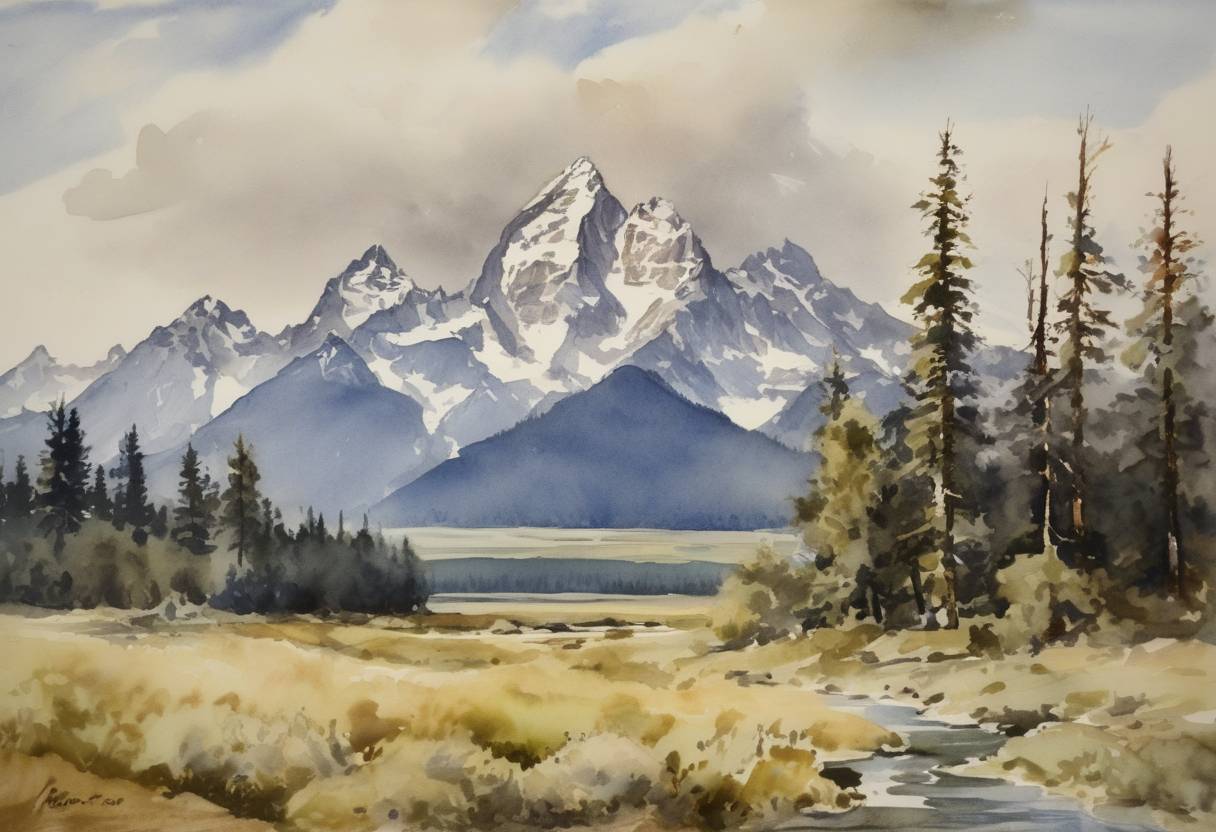
On February 26, 1929, President Calvin Coolidge signed an Executive Order establishing the Grand Teton National Park in Wyoming. This action protected the Teton Range and its surrounding area, playing a crucial role in the preservation of the region’s unique geological features and diverse ecosystems.
The Tetons, a sub-range of the Rocky Mountains, are known for their striking beauty and distinct rugged formations. Interest in preserving this area began in the early 20th century as tourism increased and concerns about the preservation of natural landscapes grew. Influential conservationists and local advocates campaigned for federal protection of the area to safeguard its natural beauty from potential commercial exploitation.
President Coolidge’s signing of the Executive Order marked a significant step in conservation efforts in the United States. Originally, the park encompassed approximately 96,000 acres, including the central peaks of the Teton Range and the six glacial lakes at their base. The decision was influenced by both conservationists and local ranchers, who saw benefits in preserving the scenic and recreational value of the area.
The establishment of Grand Teton National Park followed a broader national trend during the early 20th century towards recognizing and protecting natural landscapes. This was part of the American conservation movement that began in the late 19th century, which led to the creation of several other national parks and wilderness areas.
The original boundaries of Grand Teton National Park were expanded over the following decades. The most notable expansion occurred in 1950 when Congress enacted a law significantly enlarging the park to include the entire Jackson Hole valley floor. This was made possible in part by donations of land, including those spearheaded by philanthropist John D. Rockefeller, Jr., who had secretly acquired private lands in the valley to ensure their protection.
Today, Grand Teton National Park is celebrated for its dramatic scenery, rich biodiversity, and variety of recreational opportunities. It continues to attract millions of visitors each year and remains an essential part of the National Park Service’s mission to preserve the natural and cultural resources for future generations. The establishment of the park is seen as a pivotal moment in the history of American conservation, reflecting the growing recognition of the importance of preserving natural landscapes.
Source: www.nps.gov