COVID-19 Cases Surpass 90,000 Globally: March 4, 2020
2020 · Geneva, Switzerland
The World Health Organization reported that the global number of confirmed COVID-19 cases surpassed 90,000, highlighting the rapid spread of the virus.
May 31, 2016
World No Tobacco Day 2016 was marked with a significant drive by the World Health Organization urging governments to adopt plain packaging for tobacco products to reduce their attractiveness and curb tobacco use.
Geneva, Switzerland | World Health Organization
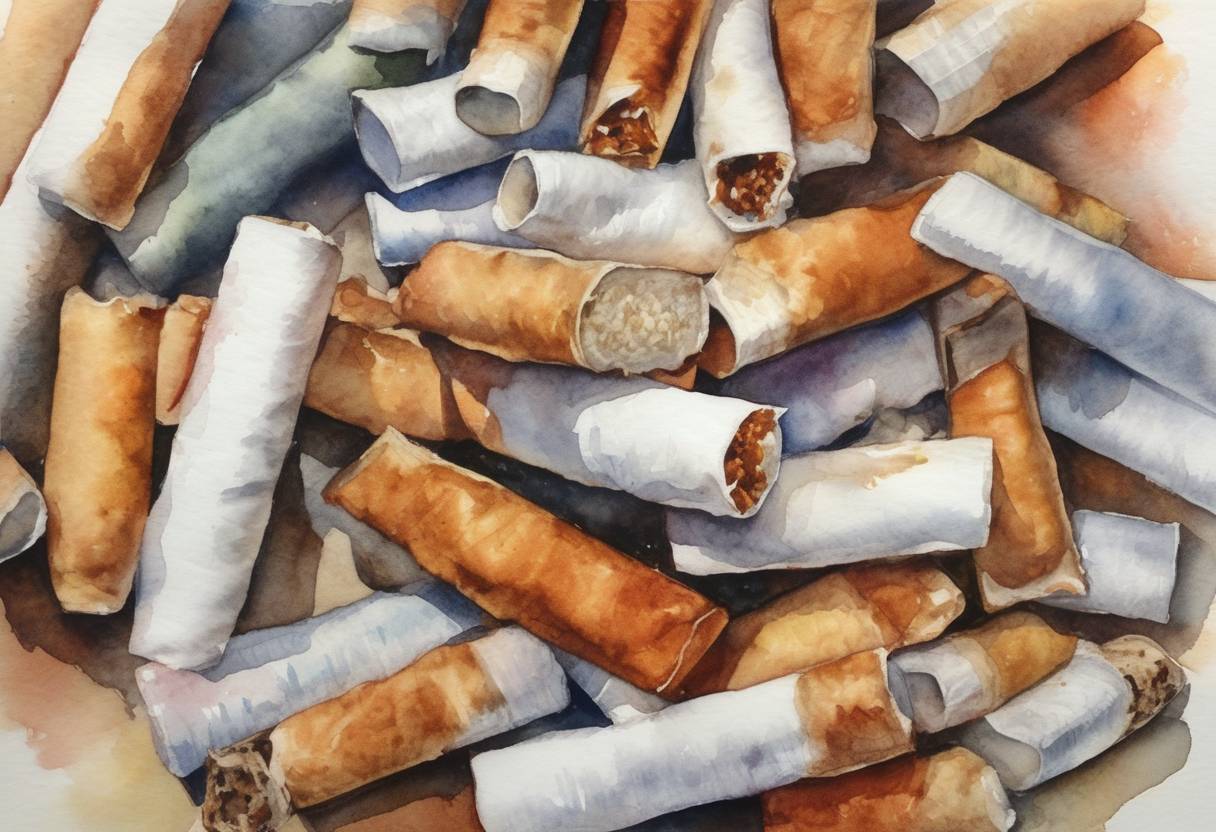
On May 31, 2016, the World Health Organization (WHO) marked World No Tobacco Day by focusing on the implementation of plain packaging for tobacco products. The central theme was the reduction of the attractiveness of tobacco products through standardized packaging, reflecting a significant public health strategy aimed at reducing smoking rates across the globe.
World No Tobacco Day is observed annually on May 31, with the aim of highlighting the health risks associated with tobacco use and advocating for effective policies to reduce its consumption. For 2016, the WHO spotlighted plain packaging as a critical measure in its broader strategy to curb the global tobacco epidemic.
Plain packaging refers to the removal of distinctive logos, colors, brand images, and promotional information from cigarette packs. Under this approach, tobacco products would be mandated to have a standard color and font, with only the brand name and health warnings displayed prominently.
Reduction in Appeal: By standardizing packaging, tobacco products become less attractive to consumers, especially among young people, who are more influenced by marketing and brand appeal.
Increase in Effectiveness of Health Warnings: With fewer distractions on the packaging, health warnings become more noticeable and impactful, raising awareness about the dangers of smoking.
Mitigation of Deceptive Marketing: Tobacco companies often use packaging as a direct form of advertising to suggest certain brands are ‘safer’ or more ‘premium’ than others. Plain packaging diminishes the ability to convey these misleading messages.
The call for plain packaging in 2016 resonated with earlier implementations in countries such as Australia, which was the first to adopt such measures in 2012. Studies from Australia showed a reduction in smoking rates following the introduction of plain packaging, providing a compelling case for other countries to follow suit.
The WHO urged governments worldwide to enact legislation supporting plain packaging, emphasizing it as part of a comprehensive set of tobacco control strategies, which include advertising bans, smoking cessation support, and public awareness campaigns.
World No Tobacco Day 2016 highlighted the importance of plain packaging in the fight against tobacco use. The WHO presented it as a tangible step toward de-normalizing tobacco consumption and reducing its impact on global health. This drive was part of the broader Framework Convention on Tobacco Control (FCTC) objectives, aiming for a tobacco-free future.
Source: www.who.int