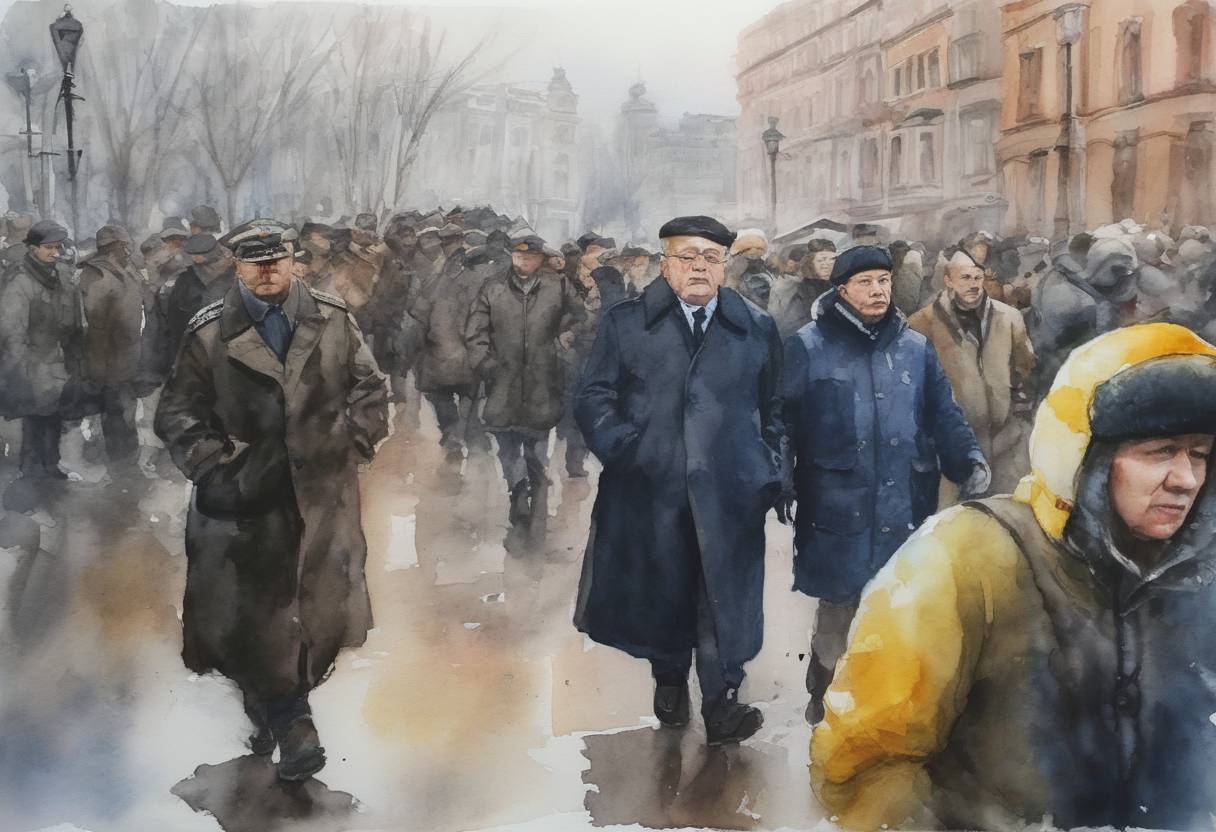
Resignation of Mykola Azarov and His Cabinet (January 28, 2014)
On January 28, 2014, a pivotal event in the ongoing Euromaidan protests occurred in Ukraine with the resignation of Prime Minister Mykola Azarov and his cabinet. This development marked a significant moment in the intense period of civil unrest that had engulfed Ukraine since late November 2013.
Background
The Euromaidan protests began following President Viktor Yanukovych’s decision to suspend an association agreement with the European Union in favor of strengthening ties with Russia. This move triggered widespread demonstrations, as many Ukrainians supported closer integration with the EU, viewing it as a path toward economic reform and political stability. The protests reflected broader societal discontent with corruption and authoritarianism perceived in Yanukovych’s government.
Key Events Leading to the Resignation
Prolonged Protests: The demonstrations persisted through harsh Ukrainian winter conditions, escalating in size and intensity. Protesters occupied central Kyiv’s Maidan Nezalezhnosti (Independence Square) and other government buildings, demanding the government’s resignation and calling for new elections.
Violent Clashes: The protests occasionally turned violent, with confrontations between demonstrators and security forces resulting in deaths and injuries. The government’s attempts to pass strict anti-protest laws further fueled the unrest and anger among the public.
International Pressure: Amid mounting internal conflict and international concern, pressure was applied on the Ukrainian government from both Western nations and Russia, each urging different paths for Ukraine’s future.
The Resignation
Facing increasing pressure from the ongoing protests, Prime Minister Mykola Azarov resigned from his position on January 28, 2014. Azarov cited the need to “create extra means for finding a social-political compromise” as his reason for stepping down. This decision was aimed at alleviating tensions and potentially negotiating an end to the crisis.
- Parliamentary Response: In conjunction with Azarov’s resignation, the Ukrainian Parliament voted to repeal the controversial anti-protest laws, signaling a potential shift in government strategy towards accommodating some protester demands.
Aftermath and Significance
Azarov’s resignation did not immediately resolve the crisis but signified a crucial acknowledgment by the Yanukovych administration of the protestors’ grievances. The political upheaval continued, eventually leading to the ousting of President Yanukovych in February 2014 and the subsequent annexation of Crimea by Russia, marking a turning point in Ukraine’s political landscape.
The events of January 28, 2014, underscored the deep divisions within Ukraine regarding its national identity and geopolitical direction, themes that continue to influence the region’s dynamics today.