The Founding of the Gymnasium Illustre in Amsterdam
1616 · Amsterdam, Netherlands
The first non-aristocratic, free public school in Europe, the Gymnasium Illustre, was founded in Amsterdam.
June 22, 1783
The Church Street School in Easthampton, England, is opened, marking the beginning of one of the earliest public schools.
Easthampton, United Kingdom
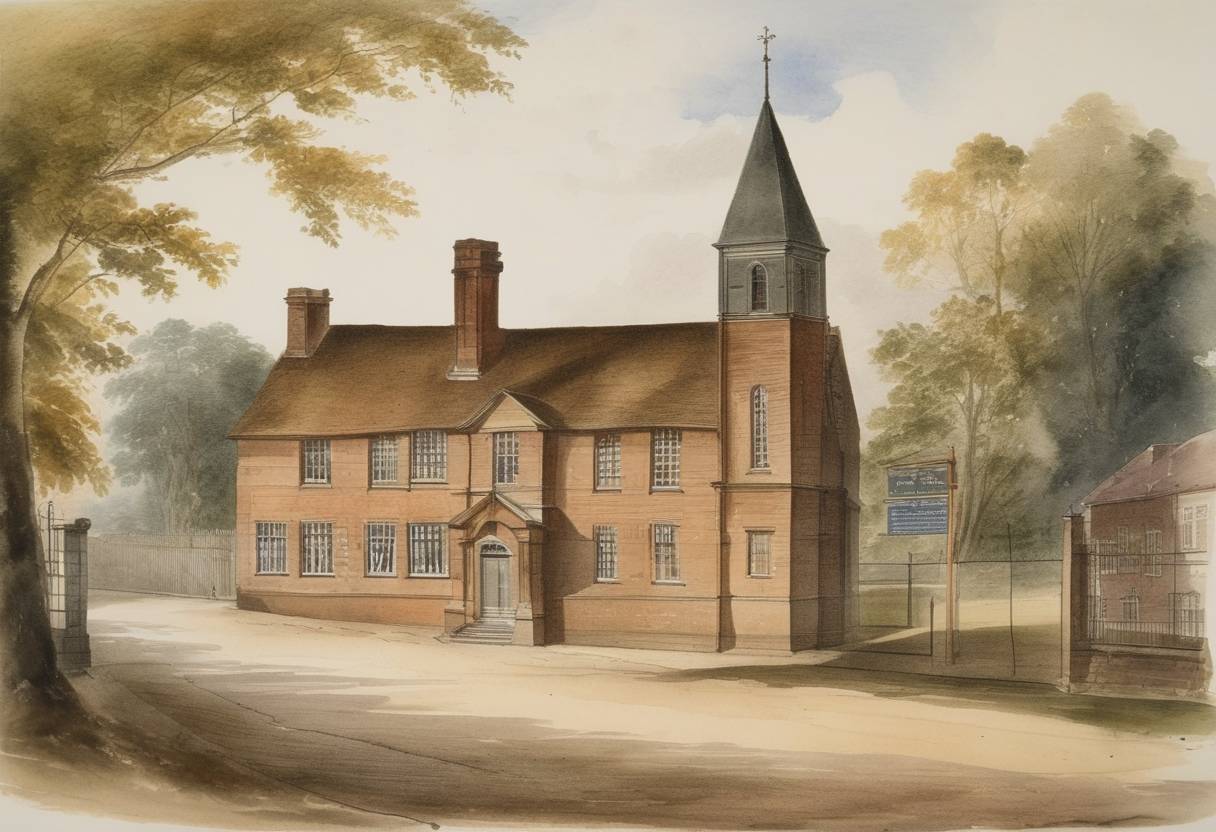
On June 22, 1783, the Church Street School opened in Easthampton, England, representing a significant development in the history of education. This event is notable for its early contribution to the establishment of public education during a period when access to formal schooling was limited primarily to the wealthy.
In the late 18th century, England was beginning to acknowledge the need for broader access to basic education. This period saw the initial phases of what eventually evolved into a more organized public education system. Prior to the establishment of public schools, education for the masses was often provided by religious institutions or through informal means. The Church Street School was among the early attempts to make schooling accessible to children of all socio-economic backgrounds.
The establishment of the Church Street School marked an important transition towards institutionalized education. It served as an example of the increasing recognition of the importance of education for societal development. Early public schools like Church Street were instrumental in laying the groundwork for future educational reforms that aimed to provide free and compulsory education for children.
In the years following its opening, the Church Street School would likely have contributed to local community development and aided in promoting literacy and basic education among children who otherwise might have lacked access. The broader movement towards public schooling in England continued throughout the 19th century, culminating in significant legislation, such as the Elementary Education Act of 1870, which made some level of public education mandatory.
While details specific to the daily functioning and curriculum of Church Street School in its early years may not be extensively documented, its establishment is a reflection of progressive shifts in societal views on education. It underscores the gradual transformation from elite education to a system intended to serve all layers of society, thereby playing a part in the democratization of knowledge.
Source: en.wikipedia.org