Tadeusz Mazowiecki Nominated as Prime Minister
1989 · Warsaw, Poland
Polish president Wojciech Jaruzelski nominates Solidarity activist Tadeusz Mazowiecki to be the first non-communist prime minister in Eastern Europe in over 40 years.
August 31, 1980
The Gdańsk Agreement was signed in Poland, allowing the creation of Solidarity, the first independent labor union in a Soviet-bloc country. This marked a pivotal moment in Polish history, contributing significantly to the eventual collapse of communist rule in Eastern Europe.
Gdańsk, Poland | Solidarity
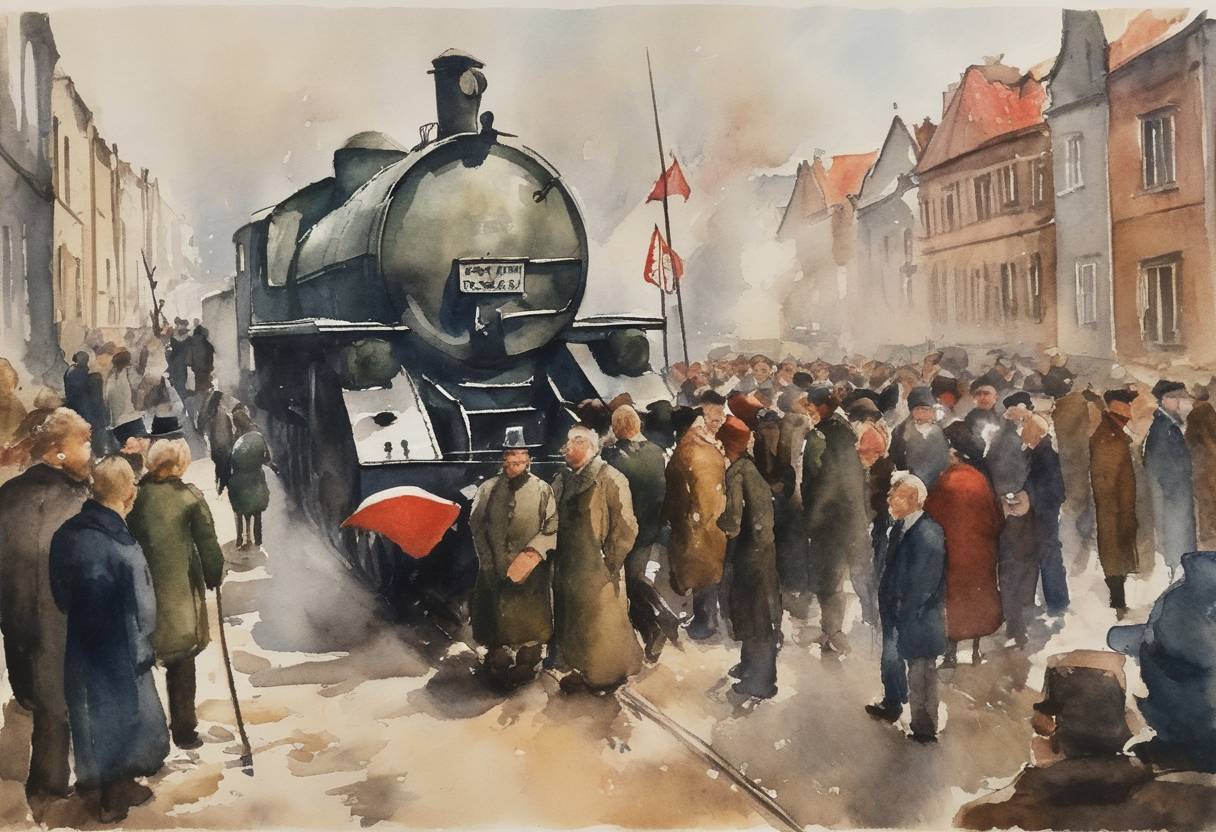
On August 31, 1980, the Gdańsk Agreement was signed in Poland, marking a significant milestone in the fight against communist rule in Eastern Europe. This agreement facilitated the creation of “Solidarity” (Solidarność), the first independent labor union in a Soviet-controlled country, heralding the beginning of a political transformation in Poland and eventually across the Eastern Bloc.
The late 1970s were a time of economic hardship and social unrest in Poland. The government, under pressure from food shortages and rising costs, faced increasing dissatisfaction among its citizens. Workers’ strikes had become prevalent, with the coastal city of Gdańsk emerging as a focal point for this unrest. A critical moment occurred in July 1980 when a government-announced increase in food prices led to an eruption of strikes across the country.
In August 1980, workers at the Lenin Shipyard in Gdańsk, led by Lech Wałęsa, initiated a strike that would pivotal for Poland’s future. The strikers, initially demanding better working conditions and economic reforms, expanded their goals to include more profound political changes. The movement quickly garnered national support and solidarity from different sectors, eventually resulting in a widespread labor strike involving approximately 700,000 workers across Poland.
Negotiations between the strikers and the government, which were broadcast across the nation, culminated in the Gdańsk Agreement. Signed on August 31, the agreement recognized the workers’ right to form independent and self-governing trade unions, separate from state control. This was a groundbreaking development in a Soviet-dominated region where the state typically suppressed independent social movements.
The agreement also included other concessions, such as wage increases, improved workplace rights, and a promise of economic reform. These significant advances were seen as a major democratizing shift, setting Poland on a path that would eventually lead to the erosion of communist hegemony in Eastern Europe.
Solidarity rapidly grew, eventually amassing about 10 million members, becoming a powerful social movement beyond just a trade union. It became a symbol of resistance and reform, playing a critical role in fostering political change.
The concessions made in the Gdańsk Agreement planted seeds for continued dissent and reform, influencing similar movements throughout the Eastern Bloc. The activities of Solidarity and the ensuing political dialogue gradually weakened the control of the communist government in Poland, leading to the end of communist rule in 1989.
Furthermore, the ripple effects of these actions contributed significantly to the eventual collapse of communist regimes across Central and Eastern Europe, reshaping the continent’s political landscape.
The Gdańsk Agreement is celebrated not only as a pivotal moment in Poland’s history but also as an essential chapter in the larger narrative of the struggle for democracy and human rights across the globe.
Source: www.britannica.com