1843 · London, United Kingdom
Charles Dickens' novella 'A Christmas Carol' was published for the first time. The work has become one of the most beloved Christmas stories and has had a lasting impact on holiday traditions.
December 17, 1843
Charles Dickens' novella 'A Christmas Carol' was first published in London. It quickly became a classic story during the Christmas season.
London, United Kingdom | Chapman & Hall
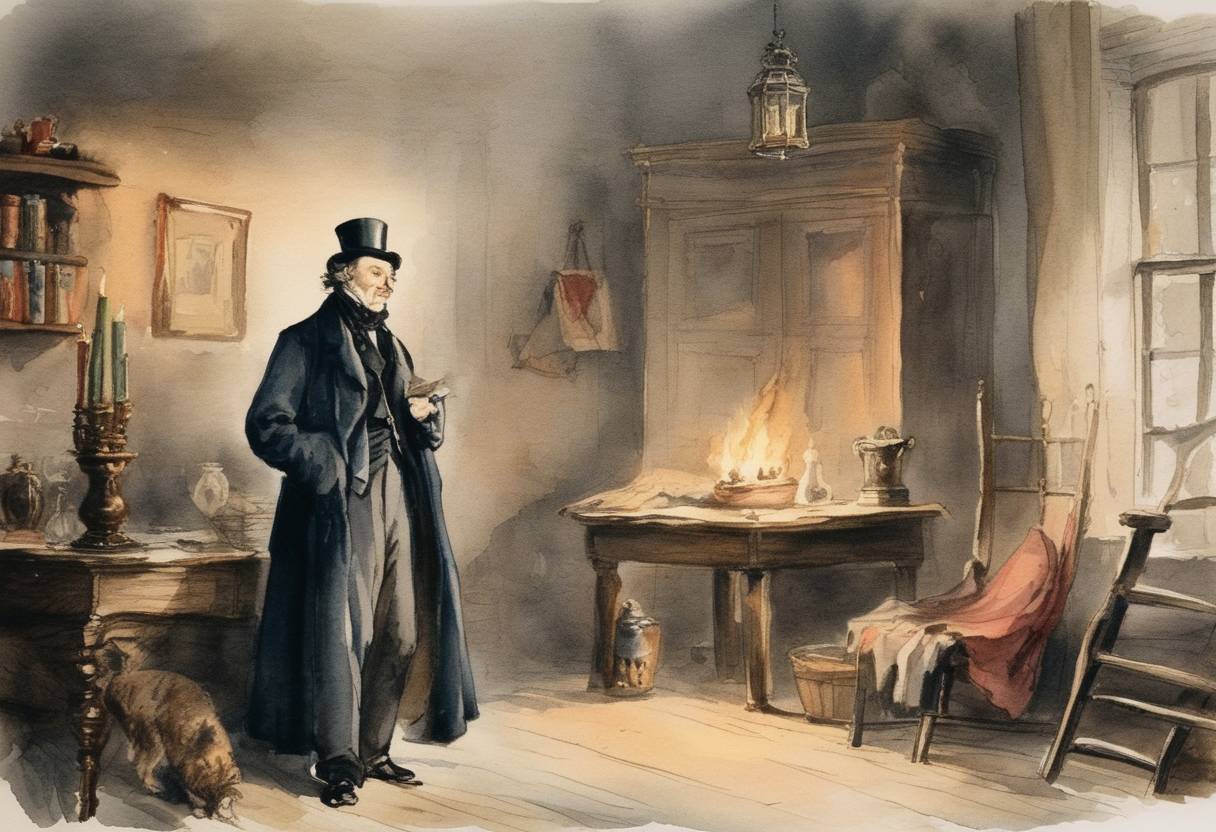
On December 19, 1843, Charles Dickens’ novella “A Christmas Carol” was first published in London by Chapman & Hall. This seminal work, written in a mere six weeks, introduced the world to Ebenezer Scrooge, a miserly old man whose transformation after the visitation of four ghosts became an enduring part of Christmas lore.
During the mid-19th century, Christmas traditions were in a state of evolution in Britain. Influenced by nostalgic royal customs, particularly those of Queen Victoria and Prince Albert, there was a resurgence of interest in celebrating Christmas with festive gatherings and goodwill. Dickens, motivated by a combination of financial need and a desire to critique social issues, capitalized on this cultural shift by weaving a tale that highlighted themes of redemption, charity, and the spirit of Christmas.
“A Christmas Carol” explores critical social issues such as poverty, benevolence, and societal transformation. Through the character of Scrooge, Dickens criticized the harsh realities faced by the poor in Victorian England and urged his readers to practice compassion and charity.
The novella’s instant success helped cement many Christmas traditions, promoting practices that emphasized family unity, generosity, and celebration. Dickens’ portrayal of a transformed Scrooge reinforced the idea of Christmas as a time for reflection, community, and rebirth.
Following its release, “A Christmas Carol” received widespread acclaim, not only becoming a popular text that was frequently adapted for stage performances but also influencing various aspects of Christmas celebrations. Its impact was profound, altering the way Christmas was perceived and celebrated in both Britain and abroad.
The novella remains an essential part of English literature, consistently reminding readers of the season’s moral and ethical dimensions. “A Christmas Carol,” through its timeless message and vivid characters, continues to be an integral aspect of holiday traditions, resonating deeply with audiences around the world.
Source: www.britannica.com