January 11, 2020: First Reported Death from COVID-19 in Wuhan, China
2020 · Wuhan, China
China reports its first death from a new coronavirus, later identified as COVID-19, in Wuhan, marking the beginning of a global pandemic.
August 12, 2015
A series of explosions occurred at a container storage station at the Port of Tianjin in China, resulting in 173 deaths and hundreds of injuries.
Tianjin, China | Ruihai Logistics
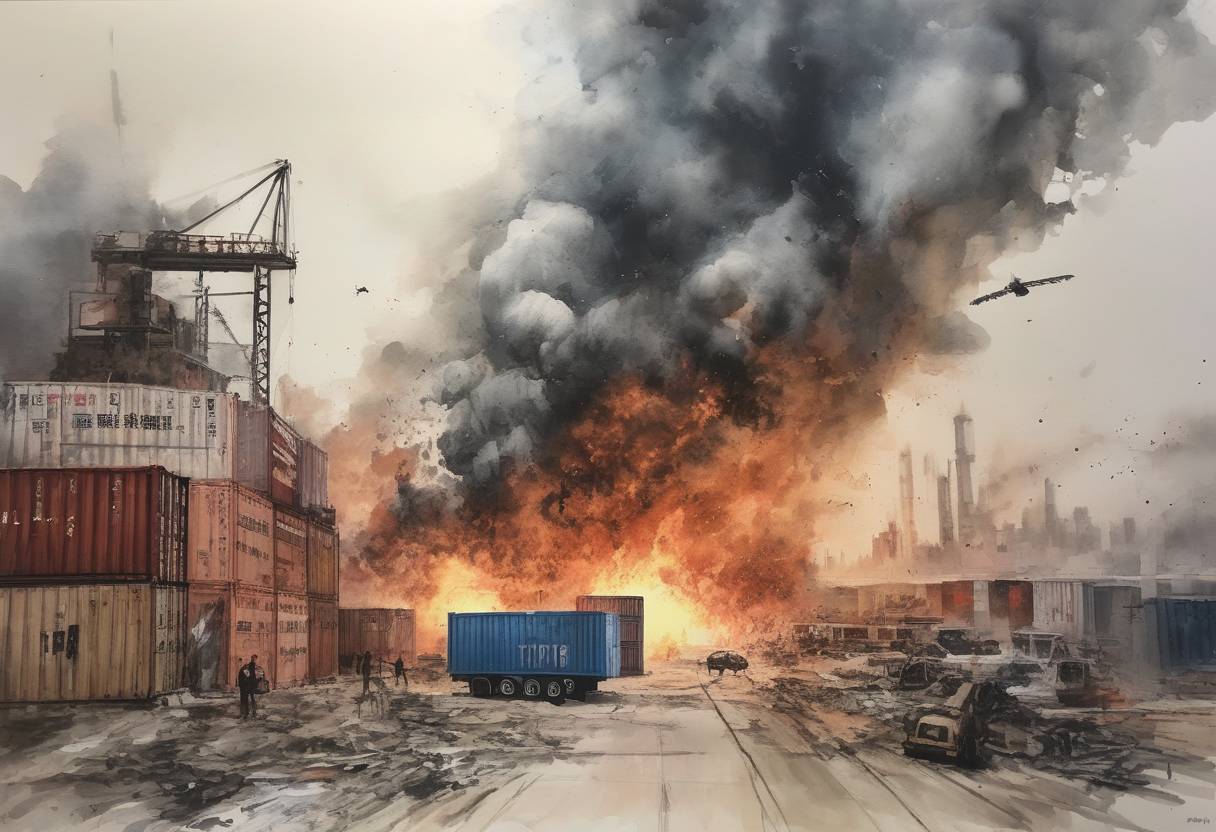
On August 12, 2015, a series of catastrophic explosions occurred at a container storage station in the Port of Tianjin, China. This tragic event resulted in 173 deaths and hundreds of injuries, marking one of the deadliest industrial accidents in recent Chinese history.
The Port of Tianjin is one of the busiest ports in the world, serving as a major gateway for goods entering and leaving northern China. The explosions took place in a warehouse operated by Ruihai Logistics, a company that handled hazardous chemicals.
Initial Blast: The first explosion occurred at approximately 11:30 PM local time. It was followed by a much larger second explosion about 30 seconds later. The second blast was so powerful that it was equivalent to the detonation of 21 tons of TNT and was detected by the China Earthquake Networks Center as a seismic event.
Chemical Involvement: The warehouse contained a variety of hazardous chemicals, including sodium cyanide, calcium carbide, and ammonium nitrate. The presence of these chemicals contributed to the intensity and danger of the explosions.
Casualties and Damage: The explosions resulted in 173 confirmed deaths, including 104 firefighters, 11 police officers, and 58 civilians. Over 700 people were injured, and the blasts caused extensive damage to the surrounding area, including residential buildings, infrastructure, and thousands of vehicles.
Evacuation and Response: Emergency responders evacuated the area, and a large-scale firefighting and rescue operation was launched. The presence of hazardous materials complicated these efforts, posing significant risks to the responders.
Investigation and Accountability: An investigation revealed that Ruihai Logistics was operating illegally and had violated safety regulations. Several company executives and local officials were arrested and charged with corruption and dereliction of duty.
Regulatory Reforms: In response to the disaster, the Chinese government implemented stricter regulations on the storage and handling of hazardous materials. This included enhanced safety inspections and more stringent enforcement of existing laws.
Public Reaction: The incident sparked public outrage over industrial safety standards and the lack of transparency in the handling of hazardous materials. It also led to increased scrutiny of industrial practices across the country.
The Tianjin explosions highlighted critical issues regarding industrial safety and regulatory oversight in China. The disaster underscored the need for improved safety protocols and greater accountability in the management of hazardous materials, prompting both national and international calls for reform.
The event remains a somber reminder of the potential consequences of industrial negligence and the importance of rigorous safety standards in preventing similar tragedies in the future.
Source: en.wikipedia.org