2022 · London, United Kingdom
Charles III was formally declared king by the Accession Council following the death of his mother, Queen Elizabeth II, marking the beginning of his reign.
March 27, 1625
Charles I became King of England, Scotland, and Ireland following the death of his father, James I.
London, United Kingdom | British Monarchy
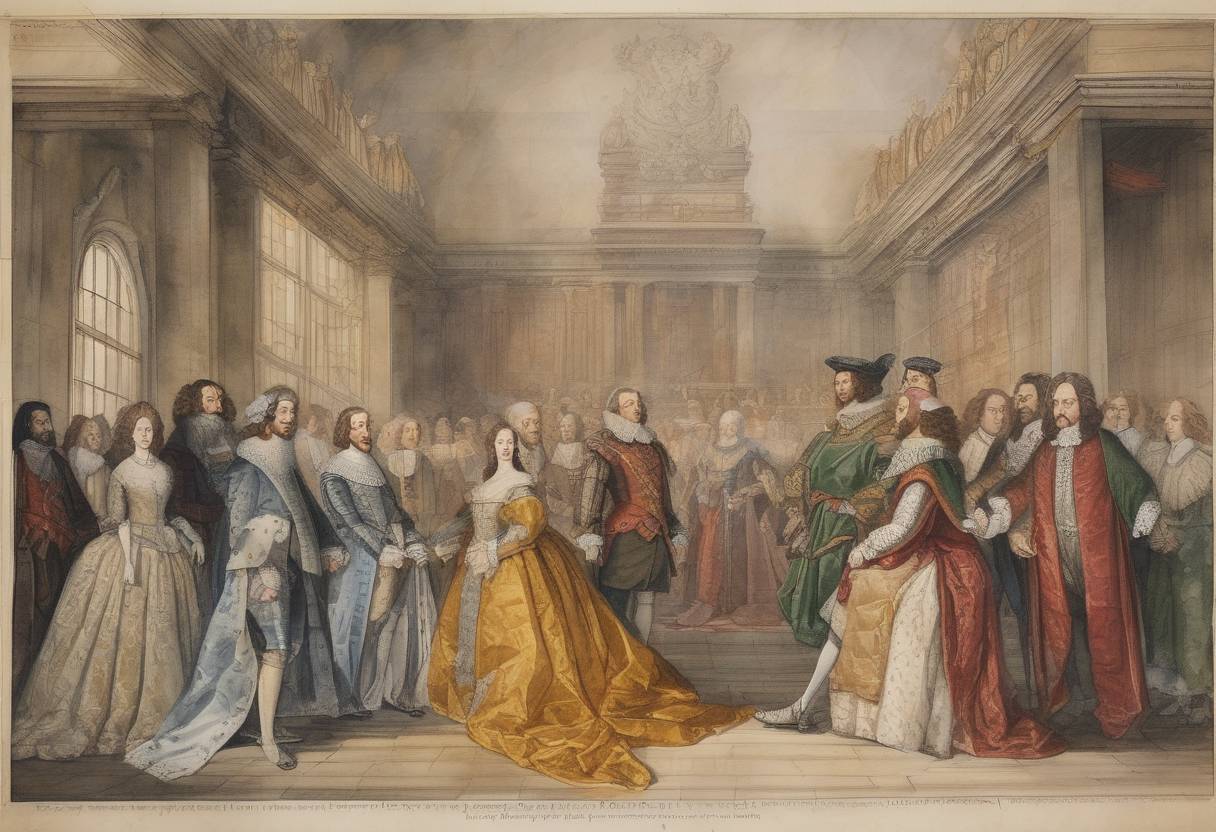
On March 27, 1625, Charles I ascended to the thrones of England, Scotland, and Ireland following the death of his father, King James I. This transition marked a significant moment in the history of the British Isles, setting the stage for a tumultuous reign that would eventually lead to civil war and the temporary abolition of the monarchy.
James I’s Reign: James I, originally James VI of Scotland, became the first monarch to rule both England and Scotland in 1603, following the death of Queen Elizabeth I. His reign was characterized by efforts to unify his kingdoms and manage religious tensions, particularly between Catholics and Protestants.
Charles’s Early Life: Born on November 19, 1600, Charles was the second son of James I and Anne of Denmark. He became heir apparent after the death of his elder brother, Henry Frederick, Prince of Wales, in 1612. Charles was known for his reserved and shy demeanor, contrasting with his father’s more outgoing personality.
Death of James I: James I passed away on March 27, 1625, at Theobalds House in Hertfordshire. His death marked the end of the Jacobean era and the beginning of the Caroline era, named after Charles.
Charles I’s Coronation: Charles was crowned King of England, Scotland, and Ireland on February 2, 1626, at Westminster Abbey. His coronation was a grand affair, though it was overshadowed by the ongoing plague in London.
Religious Conflicts: Charles I’s reign was marked by religious strife. His marriage to Henrietta Maria of France, a Catholic, fueled suspicions among his Protestant subjects. His attempts to enforce religious uniformity through the Anglican Church alienated Puritans and other dissenters.
Financial Struggles: Charles faced significant financial difficulties, partly due to his father’s debts and his own costly foreign policy endeavors. His attempts to raise funds without parliamentary consent, through measures like the forced loan and ship money, led to widespread discontent.
Conflict with Parliament: Charles’s relationship with Parliament was fraught with tension. His belief in the divine right of kings clashed with Parliament’s growing desire for a greater role in governance. This conflict culminated in the English Civil War (1642–1651).
Civil War and Execution: The tensions between Charles and Parliament eventually erupted into civil war. Charles was defeated, captured, and ultimately executed on January 30, 1649. His death marked the first and only time an English monarch was tried and executed by his own subjects.
Interregnum and Restoration: Following Charles’s execution, England became a republic under Oliver Cromwell’s leadership. The monarchy was restored in 1660 with the coronation of Charles II, Charles I’s son.
Charles I’s reign is a pivotal chapter in British history, illustrating the complex interplay between monarchy, religion, and governance. His legacy is a reminder of the challenges of absolute rule and the enduring struggle for constitutional balance.
Source: www.britannica.com