Premier of Antonín Dvořák's Symphony No. 9
1893 · New York City, United States
Antonín Dvořák's Symphony No. 9, 'From the New World', premieres in Carnegie Hall, New York City, conducted by Anton Seidl.
May 5, 1891
Carnegie Hall officially opens in New York City with a concert conducted by Tchaikovsky.
New York City, United States | Carnegie Hall
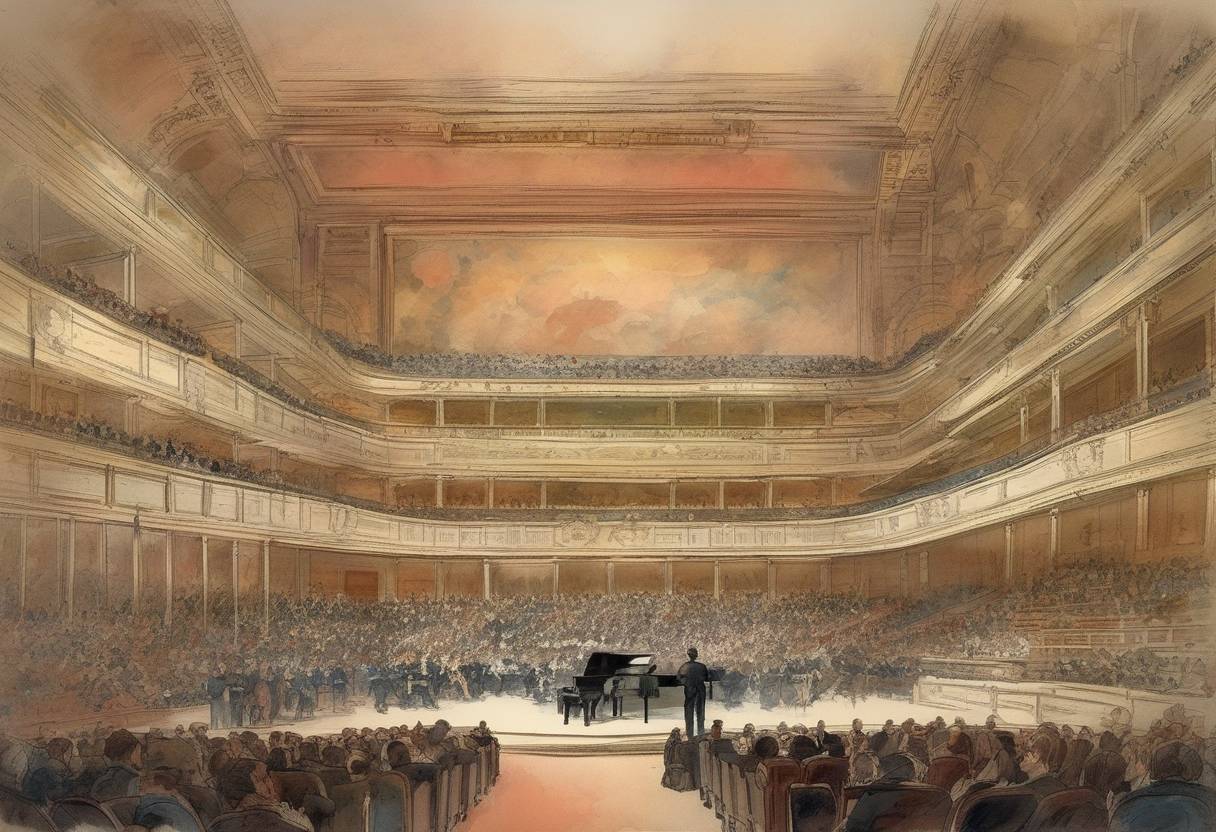
On May 5, 1891, Carnegie Hall, one of the most prestigious concert venues in the world, officially opened its doors in New York City. The inaugural concert was conducted by the renowned Russian composer Pyotr Ilyich Tchaikovsky, marking a significant cultural event in the history of American music.
Andrew Carnegie: The hall was named after Andrew Carnegie, the Scottish-American industrialist and philanthropist who funded its construction. Carnegie was a major patron of the arts and believed in the power of music to enrich society.
Construction: Designed by architect William Burnet Tuthill, Carnegie Hall was built to provide New York City with a world-class venue for classical music performances. Construction began in 1890 and was completed in 1891.
Tchaikovsky’s Role: Pyotr Ilyich Tchaikovsky, already a celebrated composer, was invited to conduct the opening concert. His presence underscored the international significance of the event and highlighted the hall’s commitment to excellence in music.
Program: The program for the opening night included several works, showcasing a variety of compositions that demonstrated the hall’s superior acoustics and the talents of the performers.
Cultural Impact: The opening of Carnegie Hall marked a pivotal moment in the cultural life of New York City, establishing it as a central hub for the performing arts in the United States.
Legacy: Over the years, Carnegie Hall has hosted numerous legendary performances by some of the greatest musicians and orchestras from around the world. It remains a symbol of artistic achievement and continues to be a sought-after venue for performers.
Continued Excellence: Carnegie Hall has maintained its reputation for excellence, continually attracting top-tier talent and offering a diverse range of performances, from classical to contemporary music.
Renovations and Preservation: The hall has undergone several renovations to preserve its historic character while updating its facilities to meet modern standards.
The opening of Carnegie Hall on May 5, 1891, with a concert conducted by Tchaikovsky, was a landmark event that set the stage for over a century of musical excellence. It remains an iconic venue, celebrated for its rich history and ongoing contributions to the arts.
Source: en.wikipedia.org