The Endangered Species Act of 1973
1973 · Washington D.C., United States
The Endangered Species Act was signed into law in the United States, providing for the conservation of species that are endangered or threatened.
February 2, 1971
The international Ramsar Convention on Wetlands was signed in Ramsar, Iran, to conserve and sustainably use wetlands.
Ramsar, Iran | Ramsar Convention
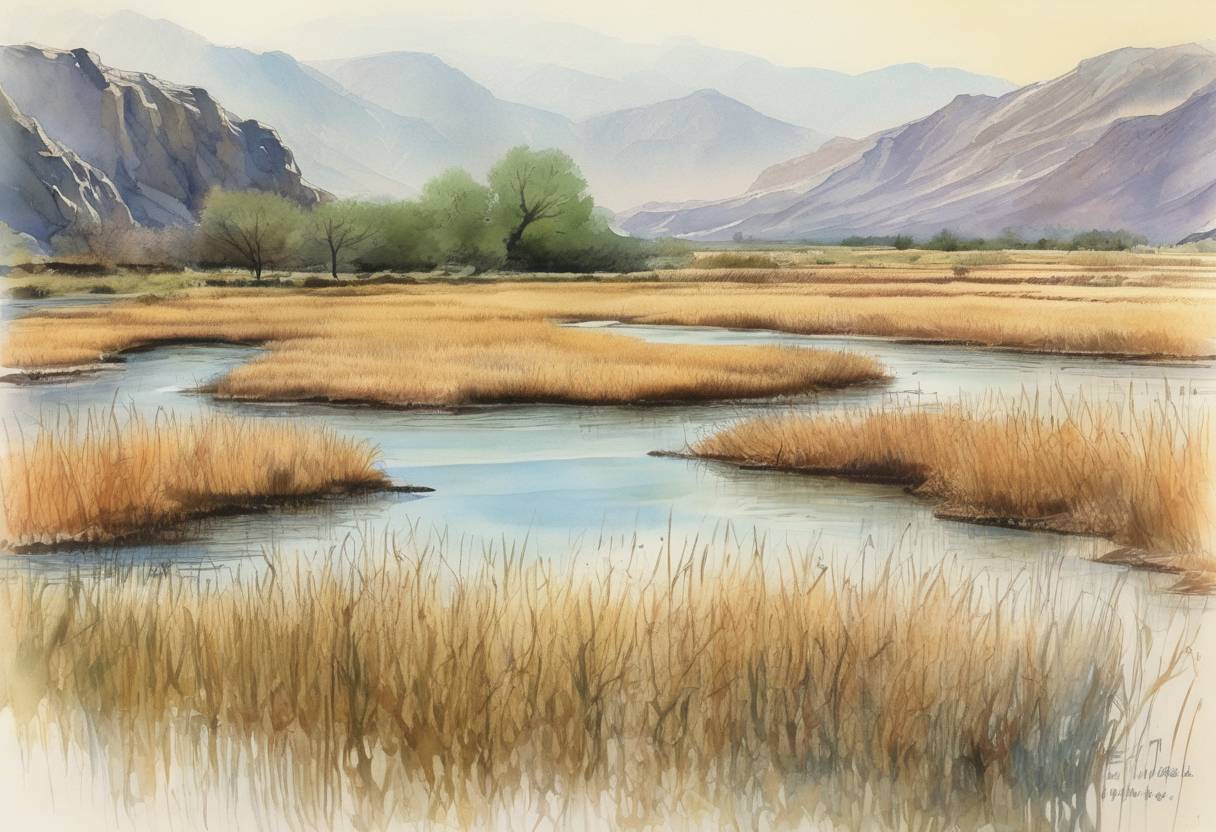
The Ramsar Convention on Wetlands, officially known as the Convention on Wetlands of International Importance especially as Waterfowl Habitat, was signed on February 2, 1971, in the city of Ramsar, Iran. This international treaty aims to promote the conservation and sustainable use of wetlands worldwide, recognizing their critical ecological functions and the economic, cultural, scientific, and recreational value they provide.
During the mid-20th century, the rapid degradation and loss of wetlands globally raised significant concerns among environmentalists and governments. Wetlands, which include marshes, swamps, bogs, and similar ecosystems, are vital for biodiversity, water purification, flood control, and as habitats for numerous species, particularly migratory birds. The need for an international framework to protect these areas became increasingly apparent.
The Ramsar Convention has played a pivotal role in raising awareness about the importance of wetlands and has facilitated numerous conservation projects worldwide. It has also fostered collaboration among governments, NGOs, and local communities to protect these vital ecosystems. Despite challenges such as climate change and land-use pressures, the convention continues to adapt and address emerging threats to wetlands.
The signing of the Ramsar Convention on February 2, 1971, marked a significant milestone in international environmental conservation efforts. By establishing a framework for the protection and sustainable use of wetlands, the convention has contributed to the preservation of biodiversity and the well-being of human communities dependent on these ecosystems.
Source: en.wikipedia.org