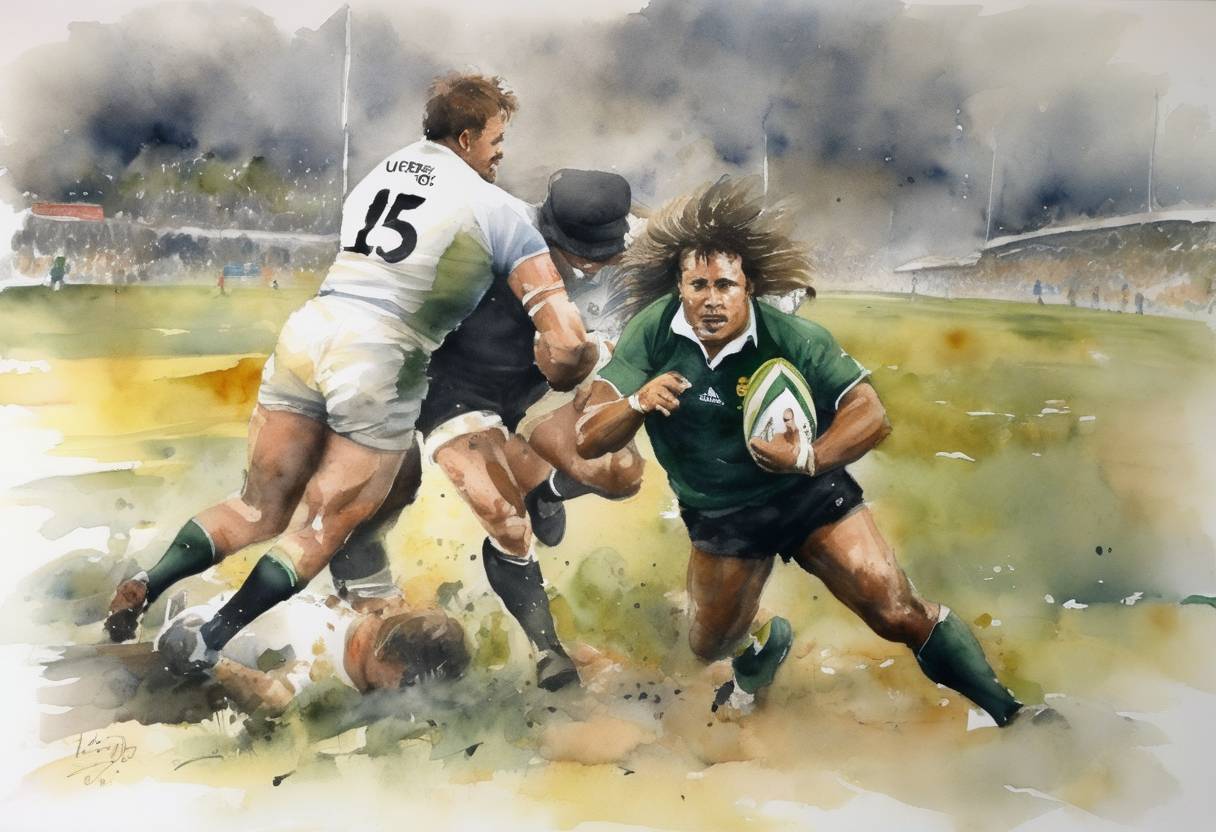
South Africa’s First Rugby World Cup Victory - June 24, 1995
On June 24, 1995, South Africa achieved a monumental victory in the realm of international sports by winning its first Rugby World Cup. This event took place in Johannesburg at Ellis Park Stadium, marking a significant moment in the country’s post-apartheid era. The final match brought together South Africa and New Zealand, two powerful teams, and it became a symbol of unity and national pride for the newly democratic South Africa.
Background and Context
The Rugby World Cup of 1995 was the third edition of the tournament, but it was notably South Africa’s first participation due to international sports boycotts during the apartheid era. The dismantling of apartheid had seen Nelson Mandela elected as the country’s first Black president in 1994, ushering in a new era of reconciliation and hope. Hosting the World Cup in 1995 was part of this new nation’s global re-emergence.
The Match
The final was intensely contested and extended into extra time, underlining the closely matched skills and determination of both teams. In a game that demonstrated strategic kicking and defensive strength, the sole try by South Africa was scored by Joel Stransky, who also delivered the decisive drop goal in extra time, securing a 15-12 victory for the Springboks over the All Blacks.
Nelson Mandela’s Role
Nelson Mandela’s presence was pivotal at the final. Wearing a Springbok jersey with the number 6, the same as the team captain François Pienaar’s, Mandela presented the Webb Ellis Cup to Pienaar after their victory. This gesture was profoundly symbolic, representing the healing and unification of a country previously divided by racial tensions.
Impact and Aftermath
This victory extended beyond sports. It helped foster a sense of national reunification and pride amidst significant social transformation. The triumph was celebrated nationwide and further memorialized in public memory and pop culture, notably in the 2009 film “Invictus.”
Broader Historical Significance
The 1995 Rugby World Cup victory became a testament to the potential for sports to transcend political and social divides. It marked a restorative step for South Africa, reinforcing its identity on the global stage and demonstrating the power of unity and reconciliation through sport.