November 3, 1986

The Iran-Contra affair was revealed to the public after Ash-Shiraa, a Lebanese magazine, published a report about the US selling arms to Iran.


Beirut, Lebanon | Ash-Shiraa
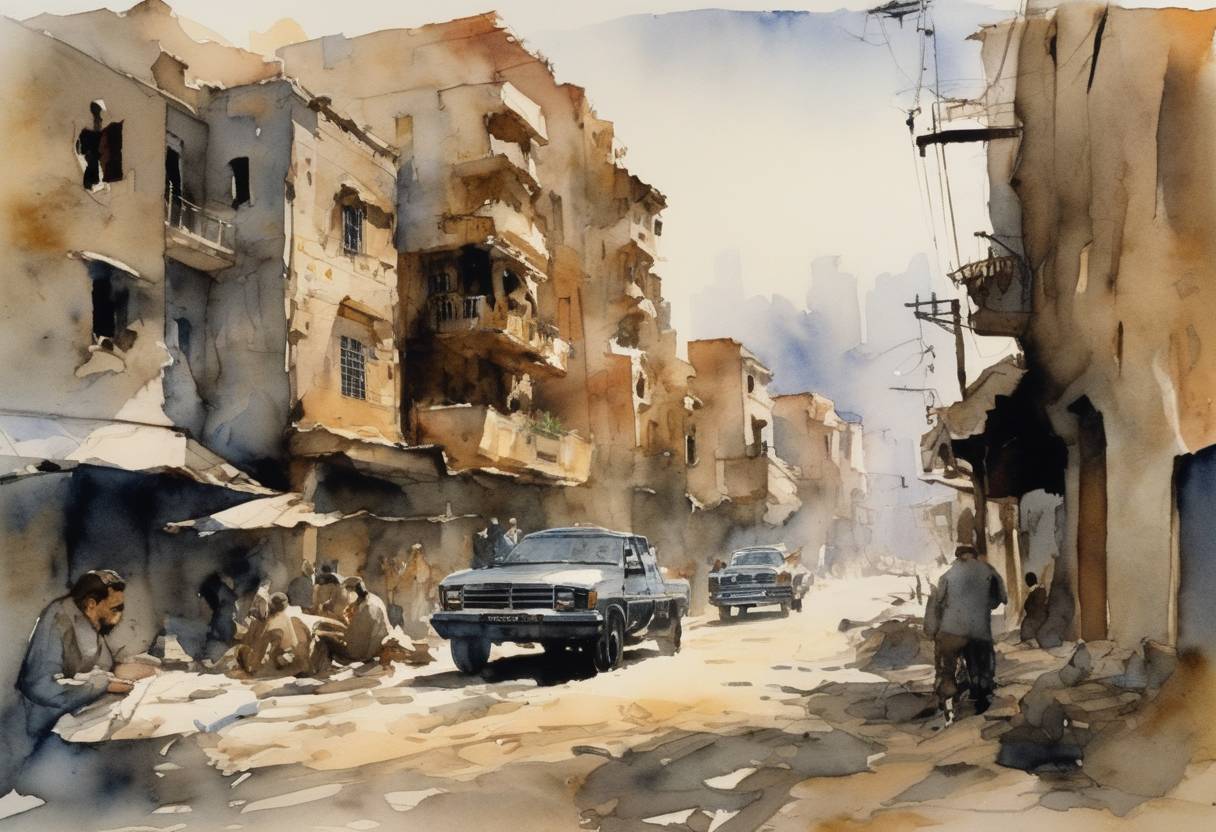
Watercolor painting based depiction of The Iran-Contra affair was revealed to the public after Ash-Shiraa, a Lebanese magazine, published a report about the US selling arms to Iran. (1986)

The Iran-Contra Affair Revelation - November 3, 1986

On November 3, 1986, the Iran-Contra Affair was thrust into the international spotlight when the Lebanese magazine Ash-Shiraa published an exposé revealing that the United States had been secretly selling arms to Iran. This disclosure was groundbreaking as it exposed a clandestine operation that linked high-ranking officials within the Reagan administration to illegal activities.

Background

The Iran-Contra Affair originated during a period of intense geopolitical tension. In the early 1980s, the U.S. was embroiled in Cold War politics and sought to counteract Soviet influence globally, particularly in the Western Hemisphere. Concurrently, the Reagan administration was intent on freeing American hostages held by Hezbollah militants in Lebanon, who were supported by Iran.

Key Events Leading Up to the Revelation

  • Arms for Hostages: The administration crafted a plan to sell military weapons to Iran, which was embroiled in the Iran-Iraq War, in hopes of facilitating the release of American hostages.
  • Diversion of Funds: The proceeds from these arms sales were secretly funneled to support Contra rebels in Nicaragua, a group opposing the socialist Sandinista government. The funding of the Contras violated the Boland Amendment, which prohibited further aid to the Contra rebels.

Impact of the Revelation

  • The Ash-Shiraa article forced the Reagan administration to acknowledge the existence of these covert operations.
  • Public and international criticism surged as legal and ethical implications of the affair were debated.
  • Congressional investigations and hearings ensued, revealing misconduct by several U.S. officials and military personnel.
  • The affair significantly tarnished the Reagan administration’s reputation and led to multiple indictments and convictions of officials, although many were later pardoned.

Broader Historical Significance

  • The Iran-Contra Affair underscored issues of executive authority and highlighted the potential for abuse of power in foreign policy operations.
  • It prompted rigorous examination and eventual reforms aimed at increasing governmental transparency and accountability.
  • The scandal reaffirmed the critical nature of media and journalism in uncovering governmental misdeeds, thereby influencing public discourse and policy.

The revelation by Ash-Shiraa marked a pivotal moment in U.S. history, showcasing the complex interplay between foreign policy, domestic politics, and media scrutiny.