The Republic of Ireland Act 1948: A Historic Transition
1949 · Dublin, Ireland
The Republic of Ireland Act 1948 came into effect, officially declaring Ireland a republic and severing its last ties with the British Commonwealth.
June 6, 1919
The Republic of Prekmurje, a short-lived unrecognized state, was established after the collapse of the Austro-Hungarian Empire.
Murska Sobota, Slovenia | None
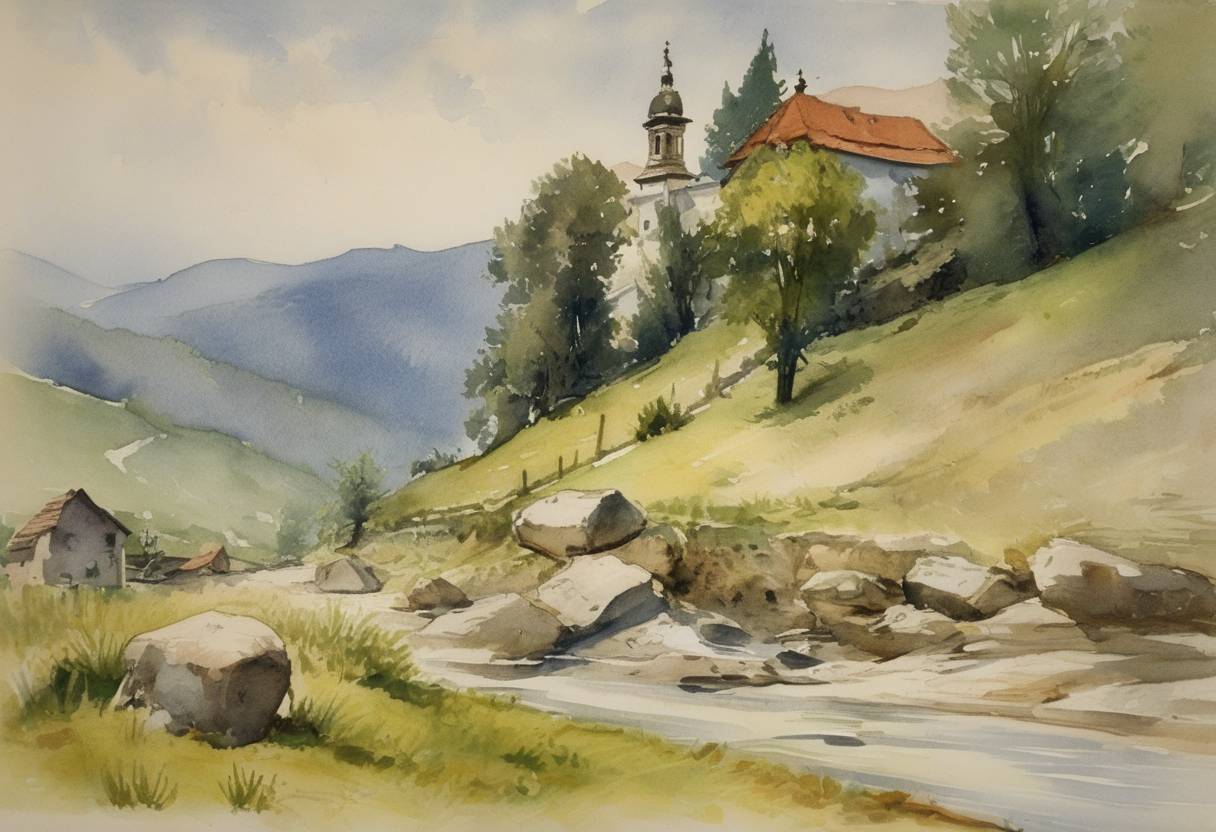
On June 6, 1919, the Republic of Prekmurje was declared following the dissolution of the Austro-Hungarian Empire. This short-lived entity emerged in the region of Prekmurje, an area that was influenced by its cultural and ethnic diversity, predominantly inhabited by Slovene-speaking people.
The collapse of the Austro-Hungarian Empire at the end of World War I in 1918 set the stage for political upheaval in Central Europe. New borders and states began emerging as the imperial structures disintegrated. Prekmurje, located in the northeastern part of present-day Slovenia, became a significant focal point due to its mixed population and strategic location.
Initially, Prekmurje was part of the Hungarian half of the Austro-Hungarian Empire, but with the empire’s downfall, the local Slovene population sought autonomy and expressed their desire to join the nascent Kingdom of Serbs, Croats, and Slovenes (later Yugoslavia).
Dr. Vilmos Tkálecz, a local leader, proclaimed the Republic of Prekmurje in the town of Murska Sobota on June 6, 1919. The aim was to establish it as an independent entity separate from both Hungary and Austria, with the hopes of facilitating its future inclusion into Yugoslavia. However, the act was not supported by any major international powers or neighboring states.
The Republic of Prekmurje was extremely short-lived, existing for only a matter of days. It was primarily a symbolic gesture lacking substantial military or political backing. On June 6, Hungarian troops moved into the area, swiftly dissolving the nascent republic. By June 7, Hungarian forces had effectively reasserted control over Prekmurje.
Following the short-lived republic’s dissolution, the region experienced further turmoil and uncertainty until August 1919 when the Treaty of Saint-Germain allotted Prekmurje to the Kingdom of Serbs, Croats, and Slovenes. This decision aligned with the aspirations of many in the Prekmurje Slovene community and substantially influenced the region’s political landscape.
Though the Republic of Prekmurje was ephemeral, it represents a crucial episode in the post-World War I reshaping of Central Europe. The establishment and rapid fall of this republic illustrate the intense nationalist sentiments and geopolitical complexities of the era. Additionally, it underscores the turbulent process of nation-state formation in the wake of imperial collapse.
Source: en.wikipedia.org