The First Edition of The Observer: December 4, 1791
1791 · London, United Kingdom
The first edition of The Observer, the world's first Sunday newspaper, is published in London.
April 28, 1910
The English newspaper, The People's Friend, was first published, highlighting local and national news.
London, United Kingdom | The People's Friend
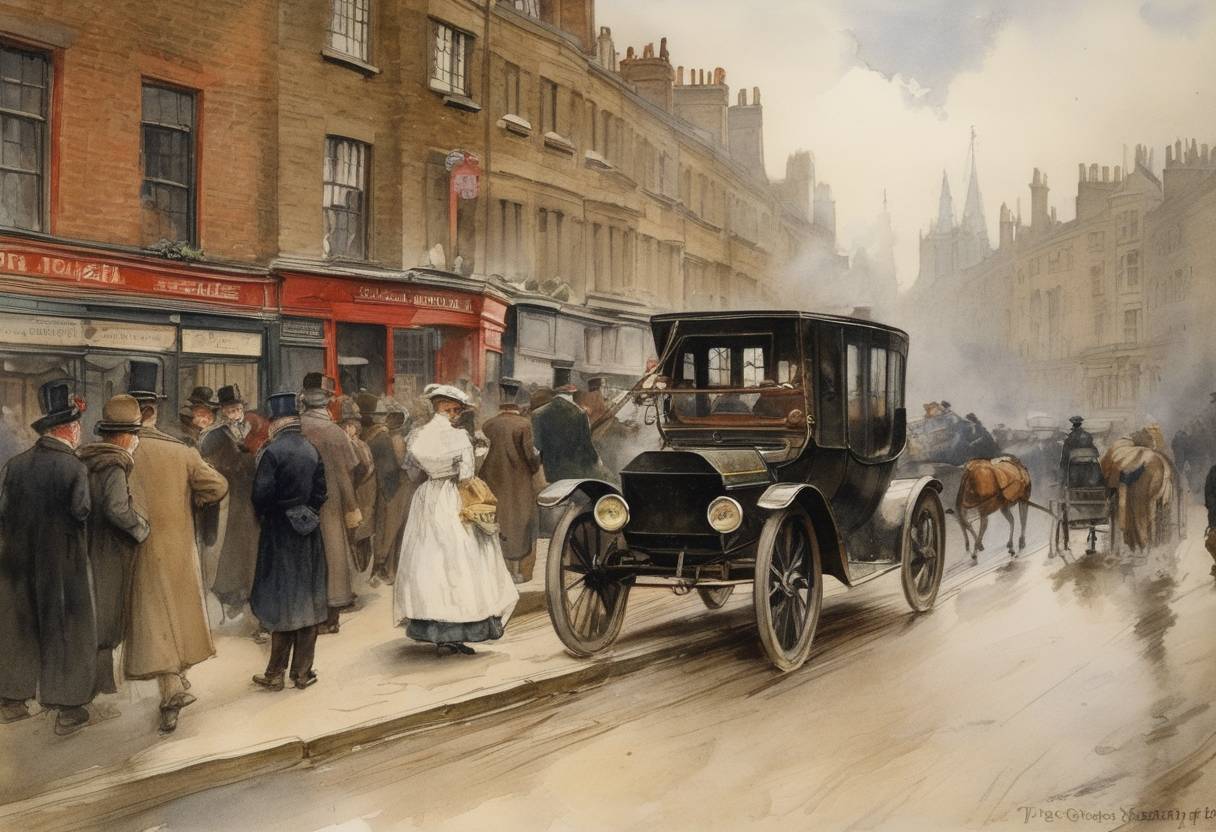
On April 28, 1910, a notable event in British media history occurred: the first publication of The People’s Friend newspaper. This new addition to the landscape of English print media set out with the aim of providing both local and national news to its readers. The paper sought to carve out a niche by focusing on stories and narratives that resonated with the everyday lives and challenges of the general populace.
The early 20th century was a dynamic period for print media in the UK, marked by rapid social and technological changes. Newspapers played crucial roles in informing the public and shaping public opinion. The People’s Friend was launched during a period of growing literacy and increasing public interest in current affairs, facilitated by improvements in printing technology and distribution networks.
The content of The People’s Friend was tailored to appeal to a broad audience. It provided a mix of hard news, covering political events and significant developments, while also including human interest stories that reflected the daily experiences and aspirations of its readers. This approach aimed to foster a sense of community and belonging among its readership, presenting a balanced view of both challenging and uplifting narratives.
Although specific details about the longevity and eventual fate of the original iteration of The People’s Friend newspaper are sparse, the brand’s name is synonymous with a long-standing magazine that continues to be published to this day. The name evokes connotations of reliability and a focus on the reader’s well-being, values that were foundational to its original journalistic efforts.
The inception of The People’s Friend in 1910 is a reflection of a broader trend within the media industry of the period, one that valued inclusivity and aimed to provide a voice to the common person amidst the dramatic changes and challenges of the era.
Source: www.peoplesfriend.co.uk