The Capture of Hong Kong by the United Kingdom on August 23, 1839
1839 · Hong Kong, China
The United Kingdom captured Hong Kong as a base as it prepared for the First Opium War with Qing China.
June 3, 1839
Lin Zexu, a Chinese official, began the destruction of opium in Humen, Guangdong, China as part of efforts to control the opium trade, leading to tension with Britain.
Humen, China | Qing Dynasty Government
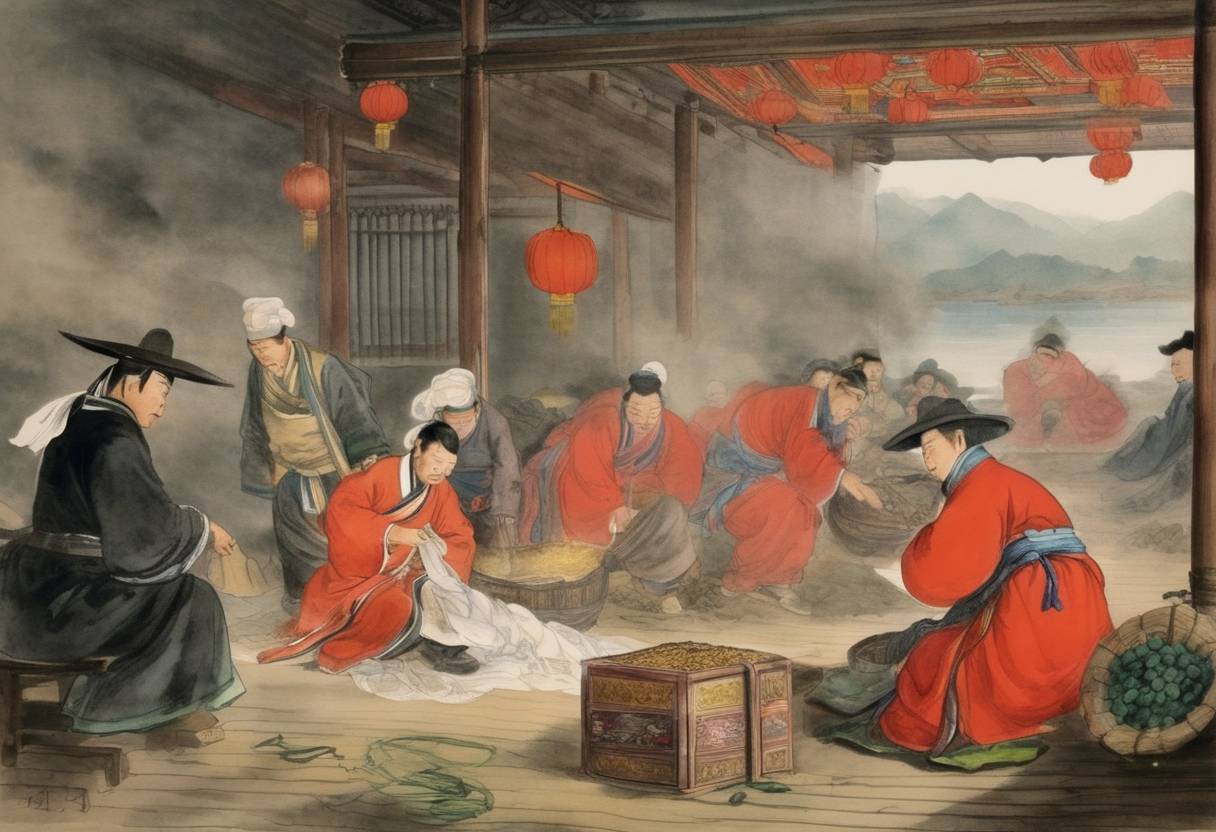
On June 3, 1839, Chinese official Lin Zexu initiated a significant and symbolic event in the fight against the opium trade: the destruction of opium stocks at Humen in Guangdong Province. This act marked a crucial turning point in China’s efforts to curb opium addiction and the illegal trade fostered by foreign powers, particularly Britain.
In the early 19th century, China faced a growing crisis due to widespread opium addiction, exacerbated by the British opium trade. British merchants were importing massive quantities of opium into China, primarily from India, which drained Chinese silver reserves and caused widespread social and economic issues. The Qing Dynasty, concerned with the detrimental effects on society and the economy, decided to take a firm stand against the opium trade.
In 1838, the Daoguang Emperor appointed Lin Zexu as a special commissioner with full imperial authority to eradicate the opium trade. Lin was known for his moral integrity and rigorous approach. Upon his appointment, he quickly set about implementing strict anti-opium policies, sending warnings to foreign traders and confiscating opium stockpiles.
On March 18, 1839, Lin Zexu arrived in Guangdong, which was a center of opium trading. Initially, Lin demanded that all opium stocks be surrendered. After tense negotiations, foreign merchants, particularly the British, were coerced into surrendering over 20,000 chests of opium.
The destruction of these opium stocks began on June 3, 1839. The opium was mixed with lime and salt to render it unusable and then discarded into the sea at Humen. This dramatic act not only signaled China’s serious stance against opium but also directly challenged British trade interests.
The destruction of opium incited a sharp response from Britain, as it viewed this as an affront to its commercial and national interests. Negotiations failed to resolve the growing tensions, leading to the First Opium War in 1839. The war ended in 1842 with the Treaty of Nanking, which imposed harsh terms on China, including ceding Hong Kong to Britain and opening several ports to foreign trade.
Lin Zexu’s actions and the subsequent conflict highlighted the clash between Chinese sovereignty and Western imperialism. The First Opium War marked a significant chapter in the “Century of Humiliation,” profoundly influencing China’s political and social fabric. Lin Zexu is remembered in China as a national hero who stood against corruption and foreign oppression, his legacy contributing to modern China’s narrative of resisting foreign subjugation.
The events of June 3, 1839, exemplify a pivotal episode in global history where local attempts to protect sovereignty and enforce legal standards clashed with foreign economic interests—resulting in lasting impacts on international relations and China’s path towards modernization.
Source: www.britannica.com