Aurangzeb Proclaimed Mughal Emperor: July 31, 1658
1658 · Delhi, India
Aurangzeb was proclaimed the Mughal Emperor of India, marking the beginning of his reign.
June 17, 1631
Mumtaz Mahal dies during childbirth, prompting her husband, Mughal Emperor Shah Jahan, to commission the Taj Mahal.
Burhanpur, India | Mughal Empire
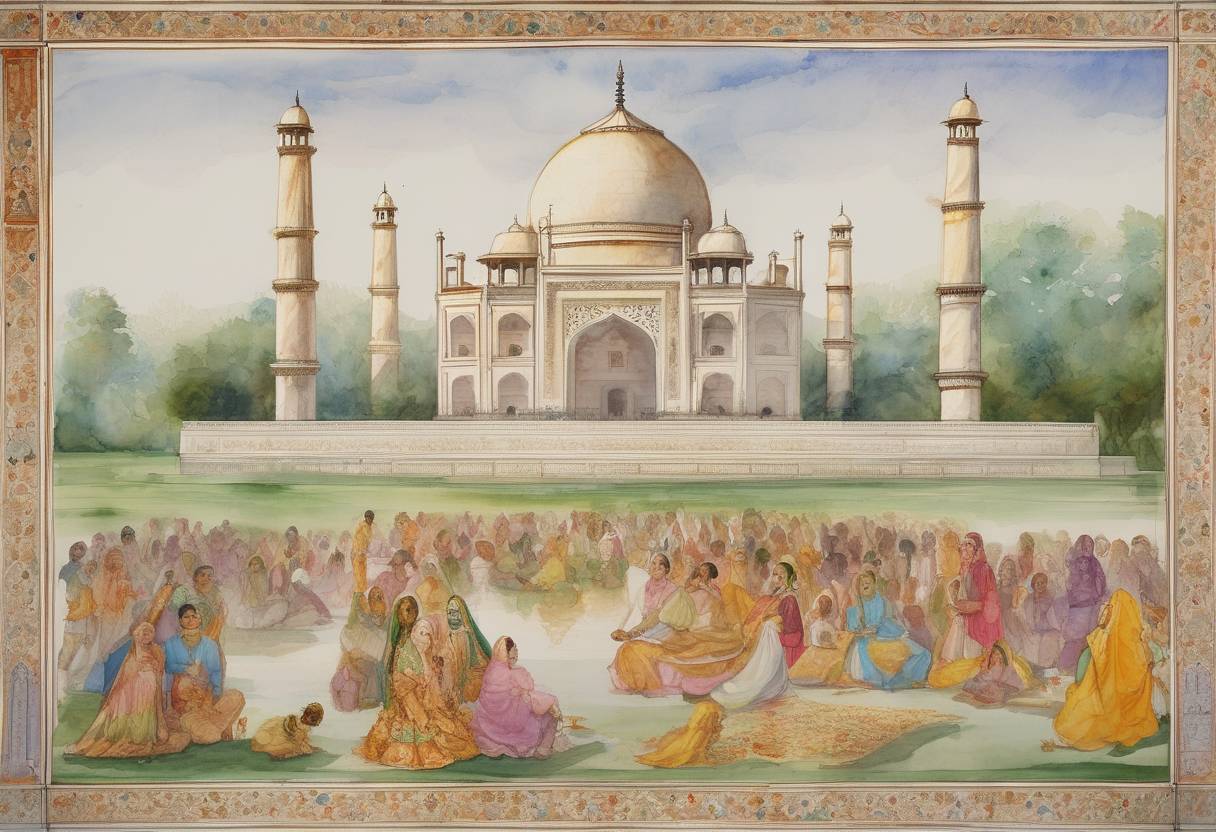
On June 17, 1631, Mumtaz Mahal, the beloved wife of Mughal Emperor Shah Jahan, passed away during childbirth in Burhanpur, India. Her death marked a profound moment in the history of the Mughal Empire, as it led to the creation of one of the most iconic monuments in the world: the Taj Mahal.
Mumtaz Mahal, born Arjumand Banu Begum, was married to Shah Jahan in 1612. She was not only his wife but also his trusted confidante and advisor. Known for her beauty and grace, Mumtaz Mahal held a special place in the emperor’s heart, and their marriage was marked by deep affection and companionship.
Mumtaz Mahal died while giving birth to their 14th child, a daughter named Gauhar Ara Begum. Her death was a devastating blow to Shah Jahan, who was reportedly inconsolable. The emperor’s grief was profound, and it is said that he went into mourning for a year, during which he refrained from any public appearances and wore only white, the color of mourning in Indian culture.
In memory of his beloved wife, Shah Jahan decided to build a mausoleum that would be unparalleled in its beauty and grandeur. The Taj Mahal, located in Agra, was commissioned in 1632, a year after Mumtaz Mahal’s death. The construction of this magnificent structure took approximately 22 years, employing thousands of artisans and craftsmen from across the empire and beyond.
The Taj Mahal is renowned for its stunning architecture, which combines elements of Islamic, Persian, and Indian styles. Its central dome, intricate carvings, and the surrounding gardens exemplify the pinnacle of Mughal architecture. The white marble mausoleum stands as a symbol of eternal love and is considered one of the New Seven Wonders of the World.
The Taj Mahal is not only a testament to Shah Jahan’s love for Mumtaz Mahal but also a reflection of the cultural and architectural achievements of the Mughal Empire. It attracts millions of visitors each year and is a UNESCO World Heritage Site.
The story of Mumtaz Mahal and the Taj Mahal continues to captivate people worldwide, serving as a poignant reminder of the enduring power of love and the human capacity to create beauty even in the face of profound loss.
Source: en.wikipedia.org