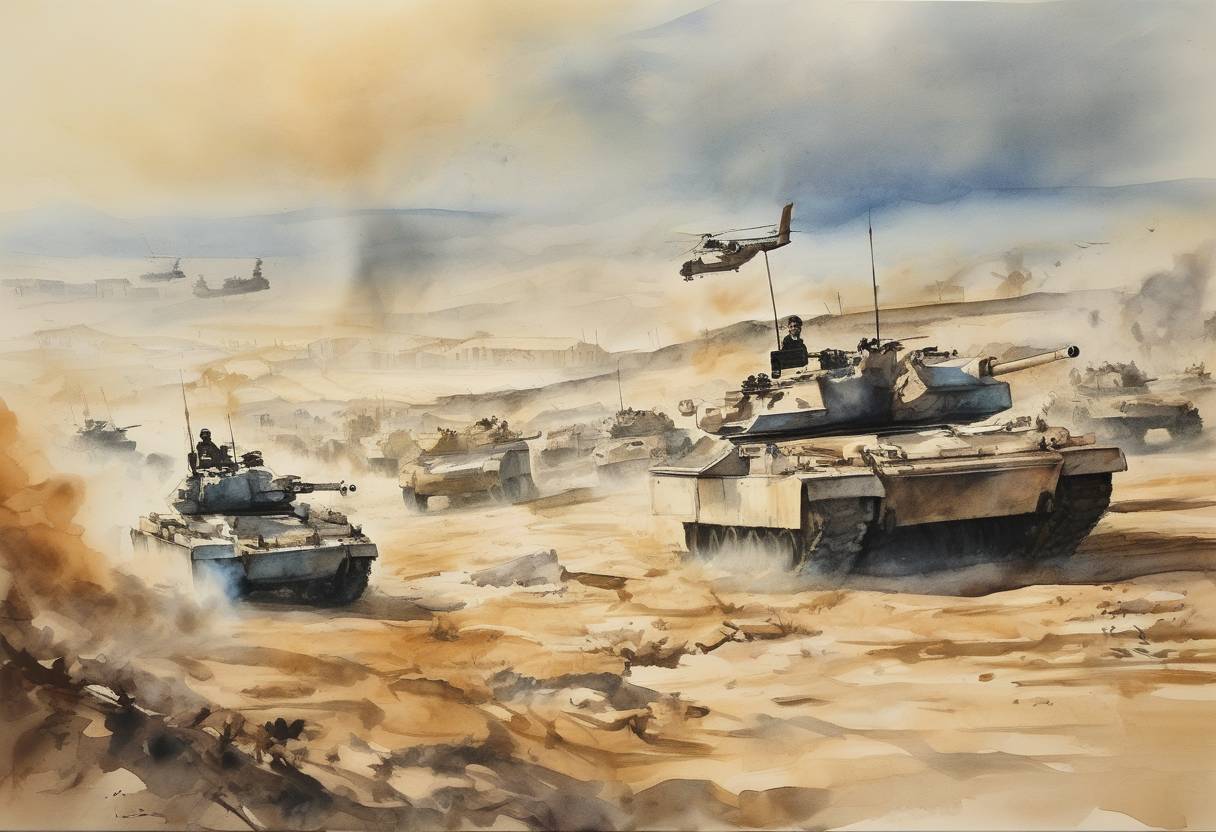
The End of the Yom Kippur War: Ceasefire on October 24, 1973
The Yom Kippur War, also known as the October War, concluded with a ceasefire on October 24, 1973. This conflict, which began on October 6, 1973, saw a coalition of Arab states led by Egypt and Syria launch a surprise attack on Israel during Yom Kippur, the holiest day in Judaism. The war was a pivotal moment in Middle Eastern history, marked by intense military engagements and significant geopolitical maneuvering.
Background
Pre-War Tensions: The roots of the Yom Kippur War can be traced back to the Six-Day War of 1967, during which Israel captured the Sinai Peninsula from Egypt, the Golan Heights from Syria, and other territories. The loss of these lands was a major grievance for Arab states, particularly Egypt and Syria, who sought to reclaim their territories.
Surprise Attack: On October 6, 1973, Egyptian and Syrian forces launched a coordinated attack on Israeli positions in the Sinai Peninsula and the Golan Heights. The timing of the attack, coinciding with Yom Kippur, caught Israel by surprise, leading to initial Arab advances.
Key Events Leading to the Ceasefire
Military Engagements: The early days of the war saw significant gains by Egyptian and Syrian forces. However, Israel quickly mobilized its reserves and launched counteroffensives. The conflict saw intense battles, particularly in the Sinai and the Golan Heights.
Superpower Involvement: The war drew the attention of the Cold War superpowers, the United States and the Soviet Union. Both nations were keen to prevent the conflict from escalating into a broader confrontation. The U.S. supported Israel, while the Soviet Union backed the Arab states.
Diplomatic Efforts: As the war progressed, diplomatic efforts intensified. U.S. Secretary of State Henry Kissinger engaged in shuttle diplomacy, negotiating with both sides to reach a ceasefire. The United Nations also played a role, with the Security Council passing Resolution 338, calling for an immediate ceasefire and the implementation of Resolution 242, which emphasized “land for peace.”
The Ceasefire
Ceasefire Agreement: On October 24, 1973, a ceasefire was brokered, largely due to the diplomatic efforts of the United States and the Soviet Union. The agreement called for an end to hostilities and the beginning of negotiations for a lasting peace.
Aftermath and Consequences: The ceasefire marked the end of active combat, but tensions remained high. The war had significant consequences for the Middle East and the world:
Military and Political Impact: The war demonstrated the vulnerability of Israel despite its military prowess and led to a reevaluation of its defense strategies. For Egypt, the war restored a sense of pride and paved the way for future peace negotiations.
Oil Crisis: The war triggered an oil embargo by Arab oil-producing countries, leading to a global energy crisis and highlighting the strategic importance of Middle Eastern oil.
Peace Process: The war set the stage for subsequent peace efforts, including the Camp David Accords in 1978, which resulted in a peace treaty between Egypt and Israel.
The Yom Kippur War and its resolution through a ceasefire on October 24, 1973, remain a significant chapter in the history of the Middle East, illustrating the complex interplay of military conflict and diplomatic negotiation.