2 February 1797: Bank of England Issues Its First £1 and £2 Notes
1797 · London, England
The Bank of England issued its first £1 and £2 notes, which represented a significant development in the evolution of modern banking.
December 21, 1844
The Rochdale Society of Equitable Pioneers opened their store, marking the beginning of the cooperative movement.
Rochdale, United Kingdom | Rochdale Society of Equitable Pioneers
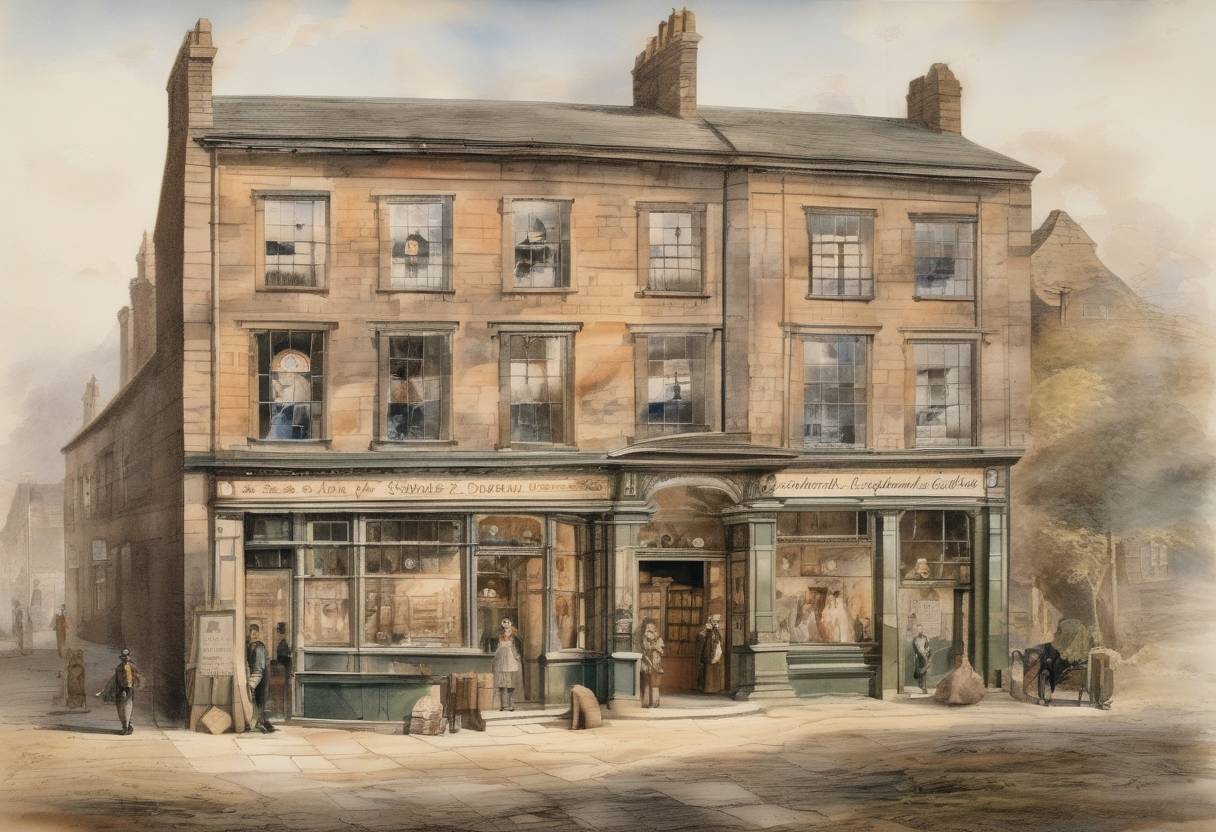
The early 19th century in Britain was a period marked by the Industrial Revolution, which brought significant economic and social changes. Many workers faced poor working conditions, low wages, and limited access to affordable goods. In response to these challenges, a group of 28 weavers and artisans in Rochdale, Lancashire, sought to create a solution that would empower workers and provide them with access to quality goods at fair prices.
On December 21, 1844, the Rochdale Society of Equitable Pioneers opened their cooperative store at 31 Toad Lane, Rochdale. This event is widely regarded as the beginning of the modern cooperative movement. The store initially sold a small selection of goods, including butter, sugar, flour, oatmeal, and candles. These items were chosen for their necessity and the difficulty many working-class families faced in obtaining them at reasonable prices.
The Rochdale Pioneers established a set of principles that would guide their cooperative and later become foundational for cooperatives worldwide. These principles included:
The success of the Rochdale store inspired the establishment of similar cooperatives across Britain and eventually around the world. The Rochdale Principles became the guiding framework for cooperatives globally, influencing the development of various types of cooperatives, including consumer, worker, and agricultural cooperatives.
The cooperative movement has since grown into a significant global economic force, with millions of cooperatives operating in various sectors, providing services and employment to millions of people. The principles laid down by the Rochdale Pioneers continue to guide cooperatives today, emphasizing democratic governance, economic participation, and community focus.
The opening of the Rochdale Society of Equitable Pioneers’ store on December 21, 1844, marked a pivotal moment in history, laying the groundwork for a movement that champions economic democracy and social equity. The cooperative model has proven resilient and adaptable, continuing to offer an alternative economic framework that prioritizes people over profit.
Source: en.wikipedia.org