Tornado Outbreak of March 2, 2012
2012 · Henryville, United States
A series of tornadoes struck the Midwest and Southern United States, causing widespread damage and resulting in the deaths of 41 people.
February 5, 2008
A major tornado outbreak occurred across the southern United States, resulting in 87 tornadoes and causing 57 fatalities. It was one of the deadliest tornado outbreaks in the U.S. in recent history.
Various, United States | National Weather Service
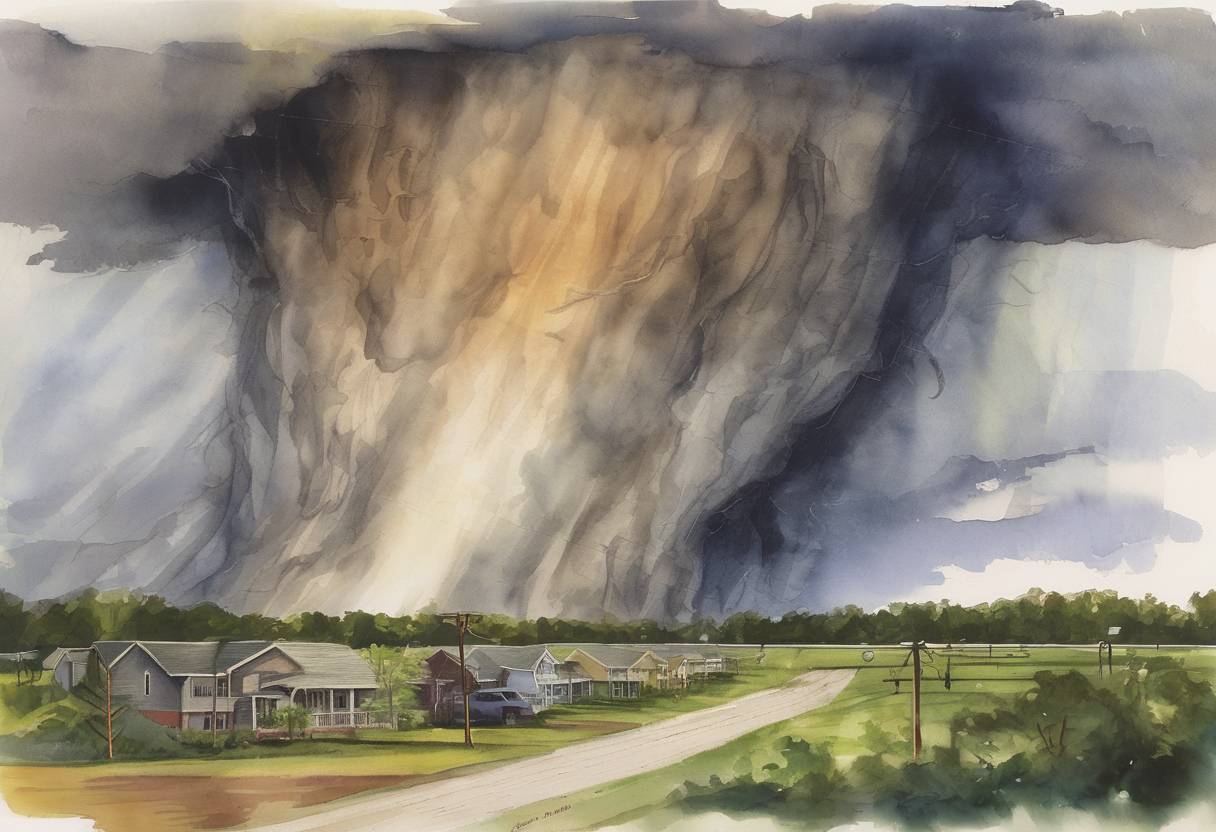
The tornado outbreak of February 5-6, 2008, was a significant and deadly weather event that impacted the southern United States. This outbreak is often referred to as the “Super Tuesday Tornado Outbreak” due to its occurrence on the day of the Super Tuesday primaries.
The outbreak was driven by a potent storm system that moved across the central and southern United States. A strong low-pressure system, combined with a warm, moist air mass from the Gulf of Mexico and a cold front advancing from the west, created the ideal conditions for severe thunderstorms and tornadoes. The presence of strong wind shear and atmospheric instability further contributed to the development of these violent storms.
The Super Tuesday Tornado Outbreak highlighted the vulnerability of the southern United States to severe weather, even outside the traditional tornado season. It underscored the importance of early warning systems and community preparedness in mitigating the impact of such natural disasters. The event also prompted discussions on building codes and construction practices in tornado-prone areas to enhance resilience against future outbreaks.
In summary, the tornado outbreak of February 5-6, 2008, stands as a stark reminder of the destructive power of nature and the ongoing need for vigilance and preparedness in the face of severe weather events.
Source: www.weather.gov