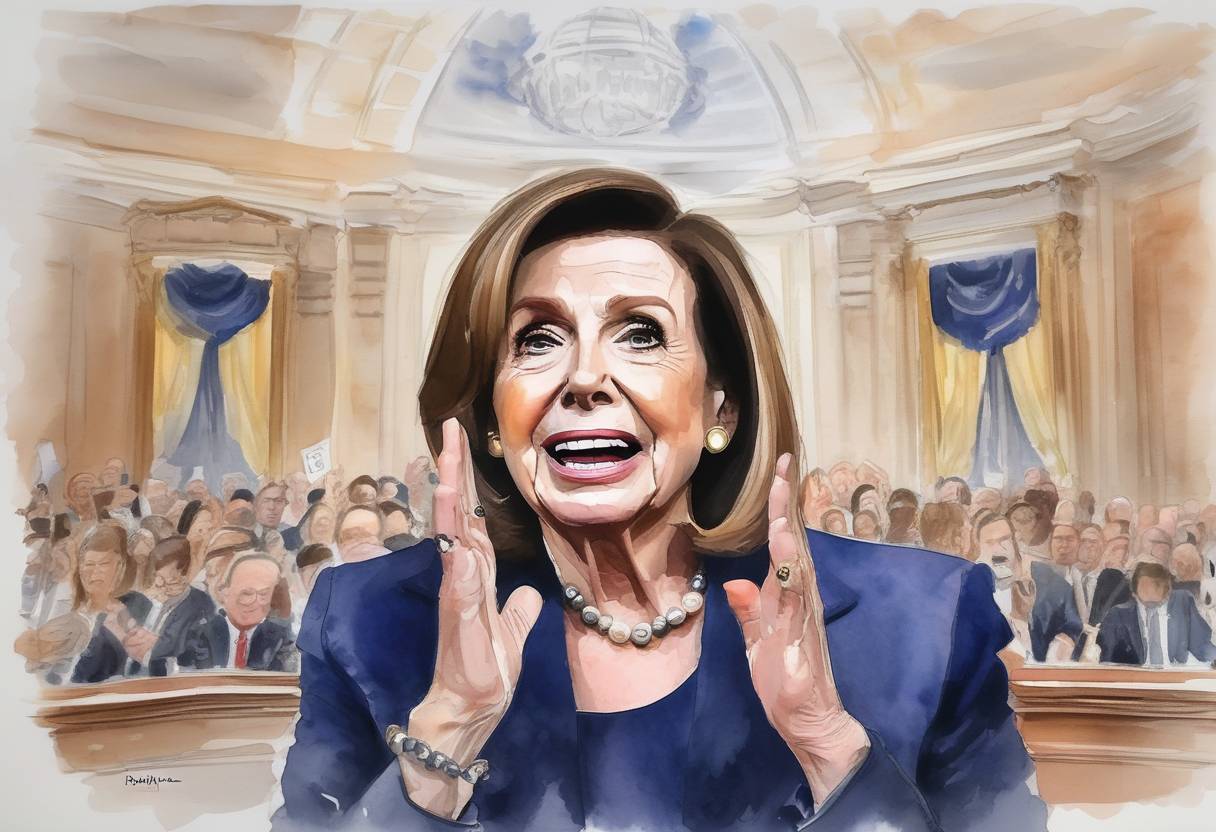
Impeachment Inquiry Announcement: September 24, 2019
On September 24, 2019, Speaker of the U.S. House of Representatives, Nancy Pelosi, announced the initiation of a formal impeachment inquiry against President Donald Trump. This significant political development stemmed from allegations concerning President Trump’s interactions with Ukraine, specifically his dealings with Ukrainian President Volodymyr Zelensky.
Context and Background
The impeachment inquiry was triggered by a whistleblower complaint that surfaced in August 2019. The complaint alleged that President Trump had solicited foreign interference in the 2020 U.S. presidential election by urging President Zelensky to investigate Joe Biden, a leading Democratic contender, and his son, Hunter Biden. The controversy centered around a phone call on July 25, 2019, during which Trump allegedly pressured Zelensky to conduct these investigations while withholding nearly $400 million in military aid to Ukraine.
Key Events Leading to the Inquiry
Whistleblower Complaint: The complaint, filed by an anonymous intelligence official, raised concerns about the president’s conduct and was initially withheld from Congress, leading to further scrutiny and demands for transparency.
Release of Call Transcript: On September 25, 2019, the White House released a memorandum of the call between Trump and Zelensky, which confirmed that Trump had asked for investigations into the Bidens.
Political Pressure: The revelations intensified pressure on Speaker Pelosi from within her party to take action. Many Democrats viewed the allegations as a breach of presidential duty and a threat to the integrity of U.S. elections.
The Announcement
In her announcement, Speaker Pelosi stated that “the President must be held accountable” and that “no one is above the law.” She emphasized that the inquiry would focus on whether Trump had violated his oath of office and compromised national security.
Aftermath and Consequences
Impeachment Proceedings: The inquiry led to a series of hearings and investigations by various House committees. On December 18, 2019, the House of Representatives voted to impeach President Trump on charges of abuse of power and obstruction of Congress.
Senate Trial: The impeachment trial commenced in the Senate in January 2020. On February 5, 2020, the Senate acquitted President Trump on both charges, largely along party lines.
Historical Significance: This impeachment marked the third time in U.S. history that a sitting president had been impeached by the House. It underscored deep partisan divisions and raised questions about the balance of power and the role of foreign influence in American politics.
The impeachment inquiry against President Trump over his dealings with Ukraine remains a pivotal moment in recent U.S. political history, reflecting ongoing debates about executive power and accountability.